Watercolor Tattoo Designs — Painterly, Vivid & Abstract
Recent Watercolor inspiration
AIAI-generated inspiration, not customer tattoos · open any design for a closer look
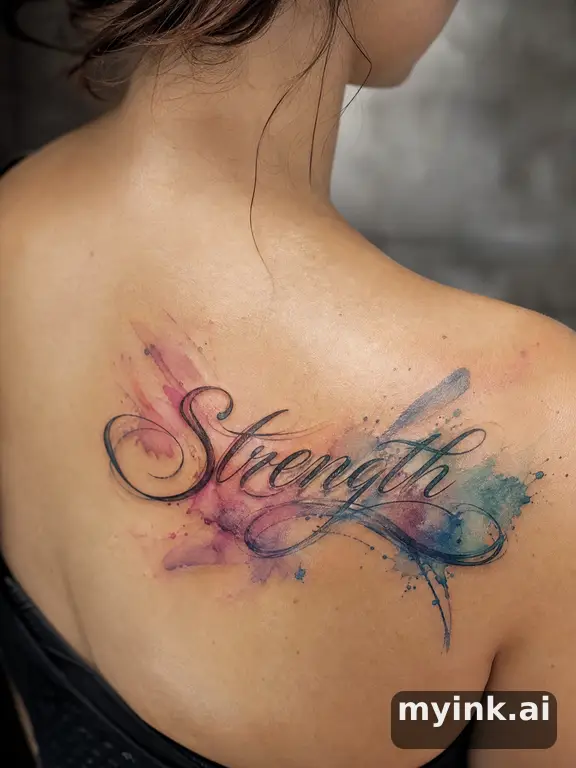
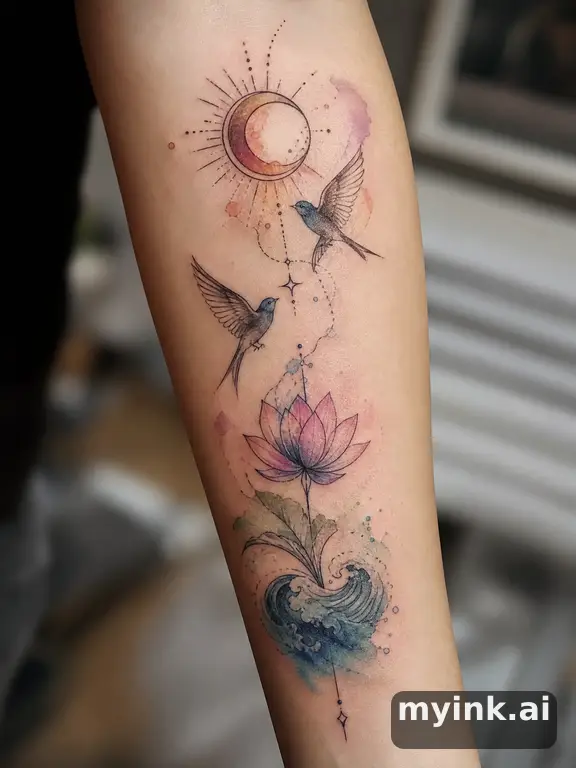
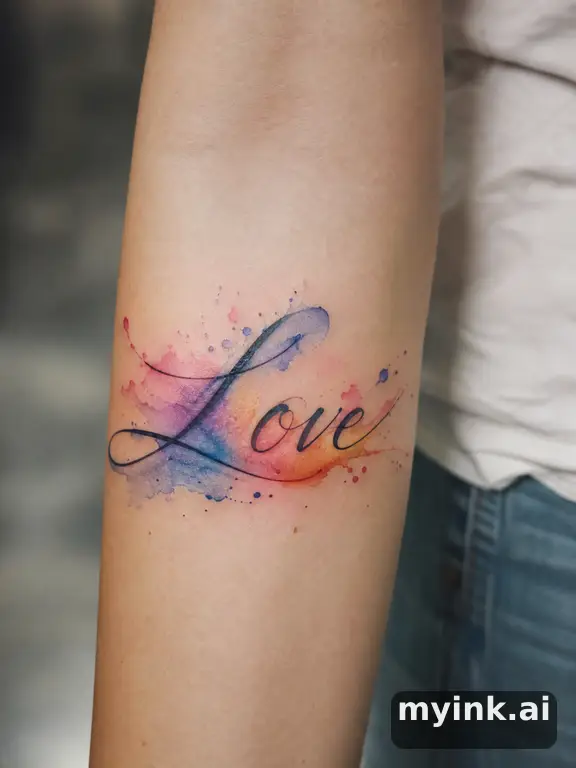
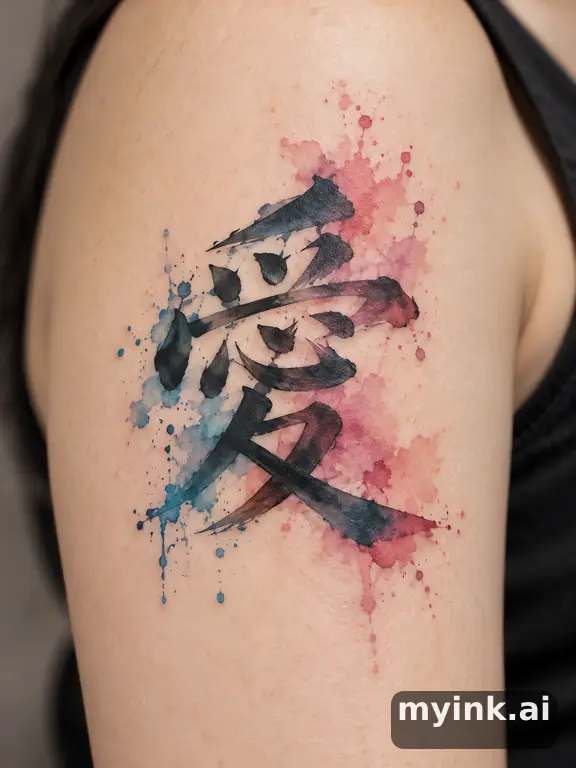
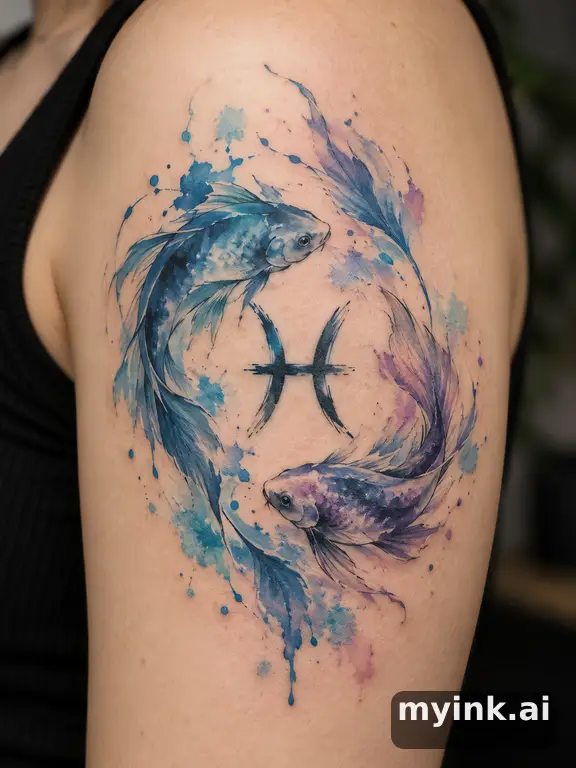
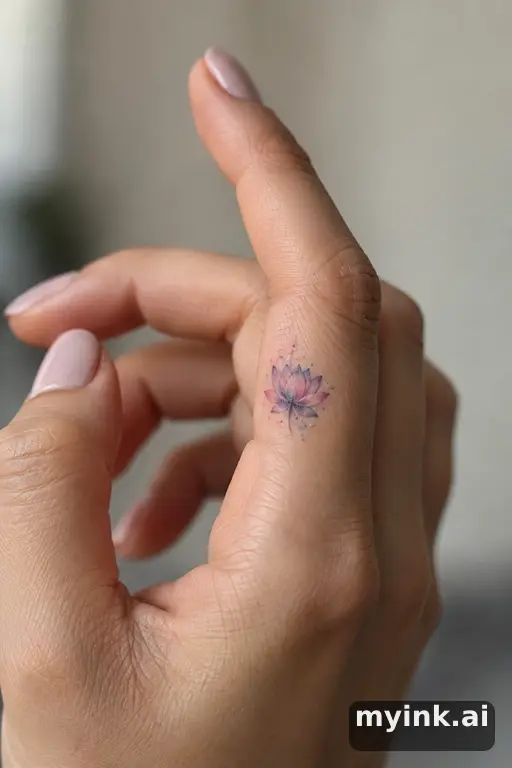
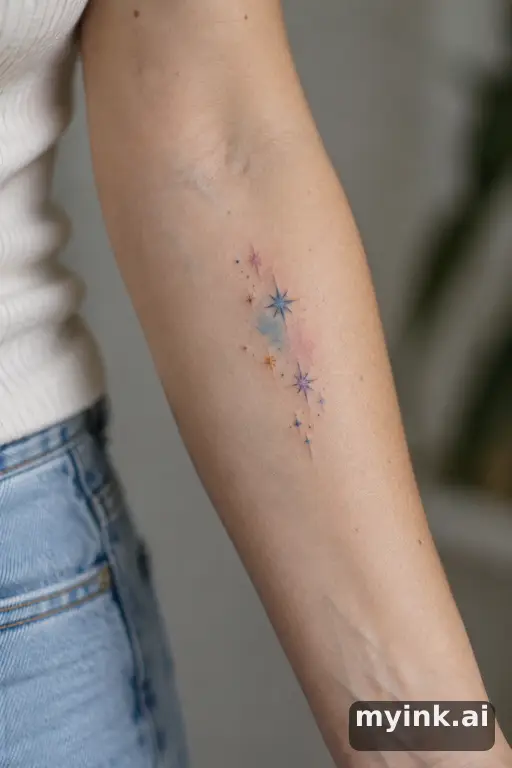
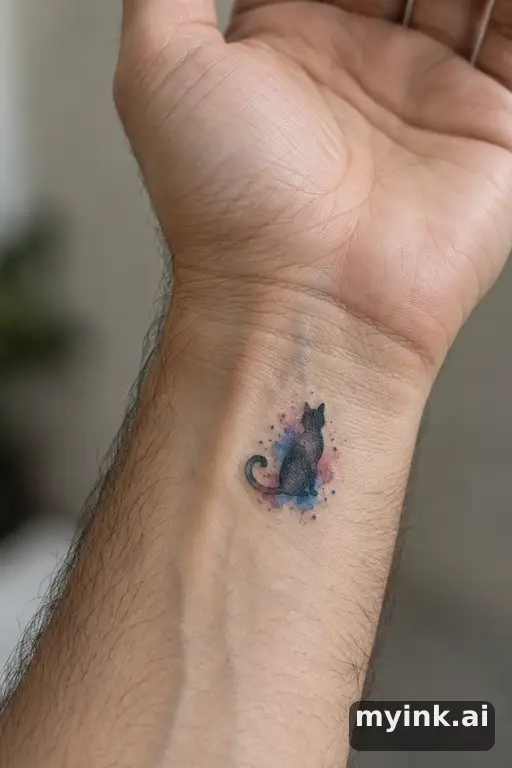
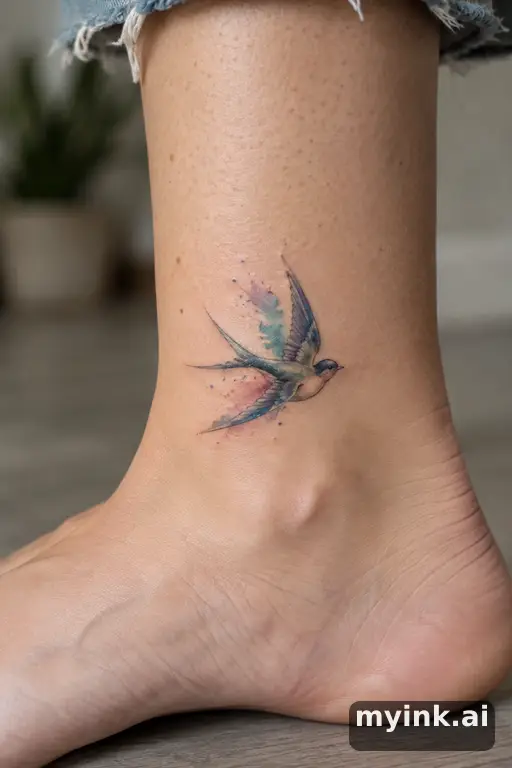
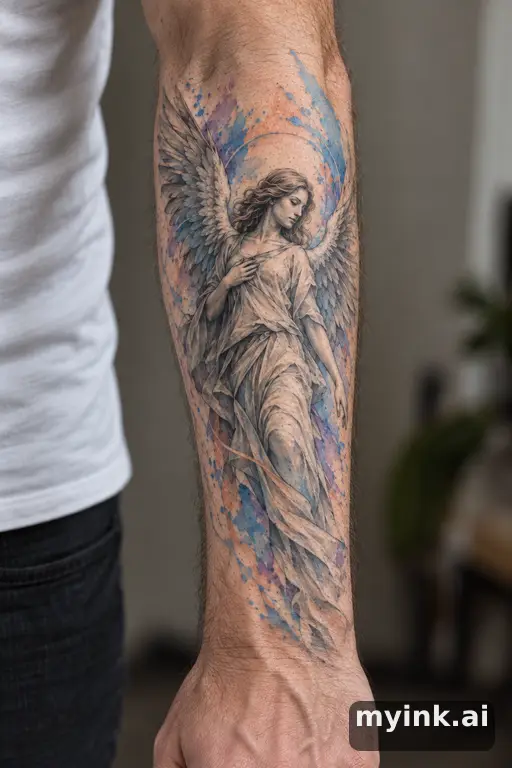
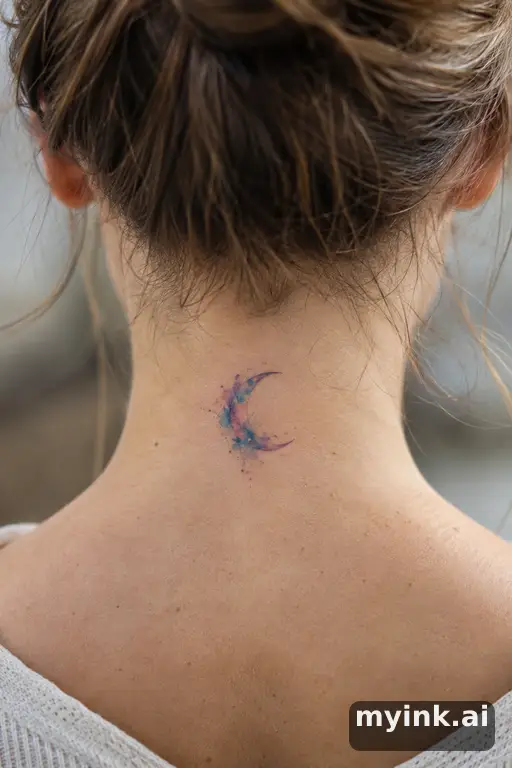
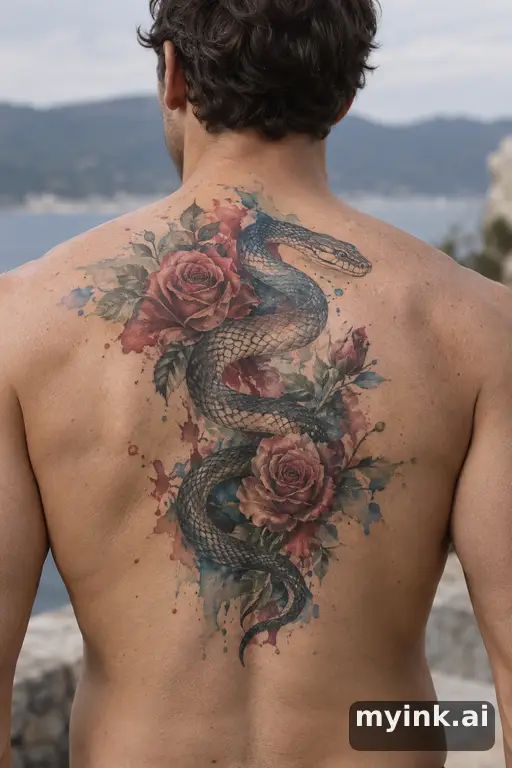
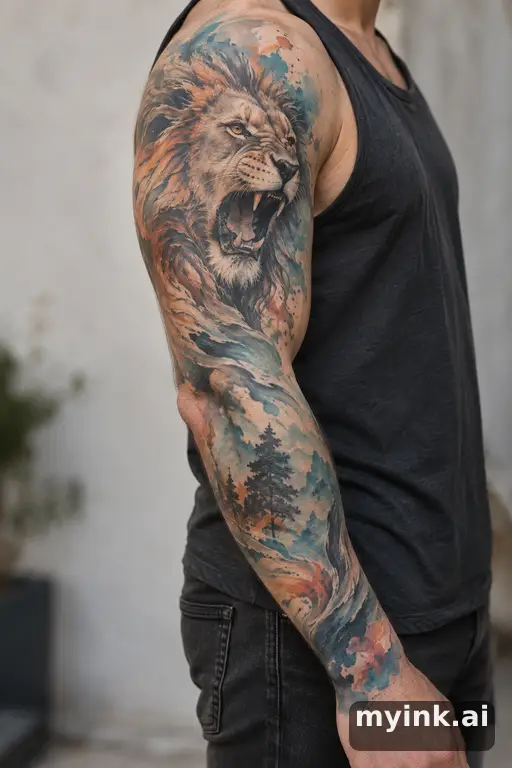
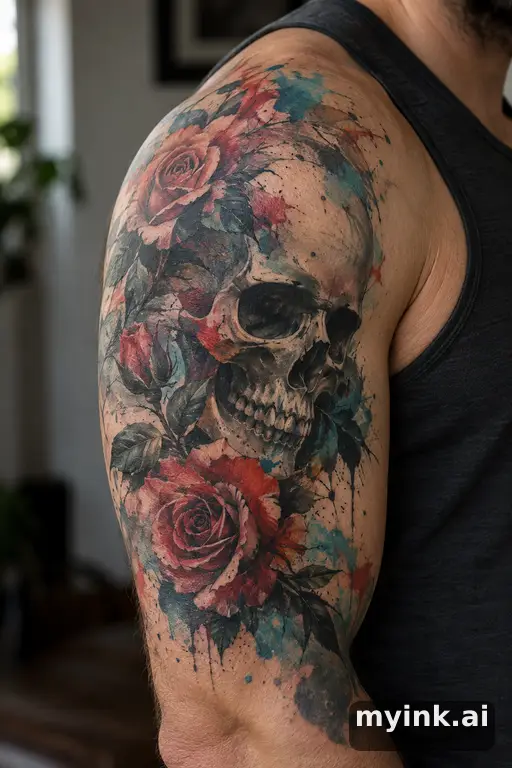
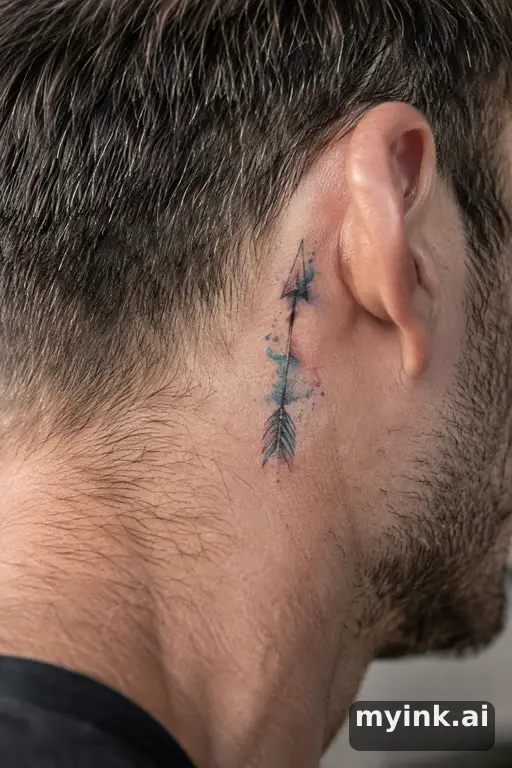
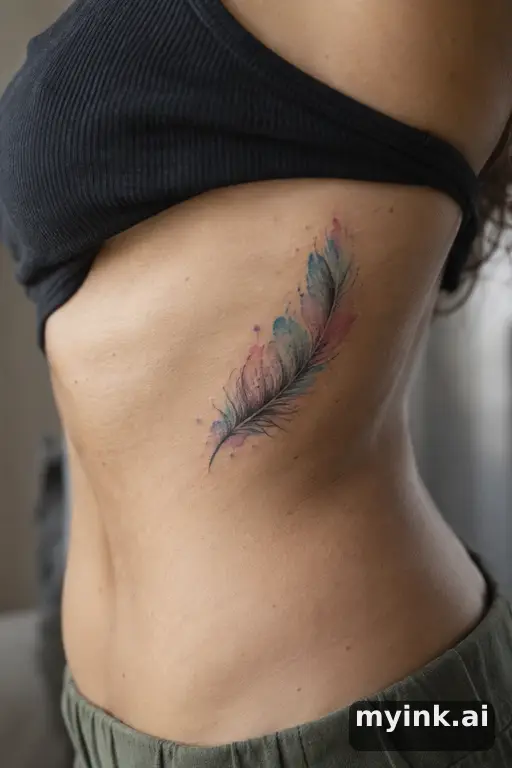
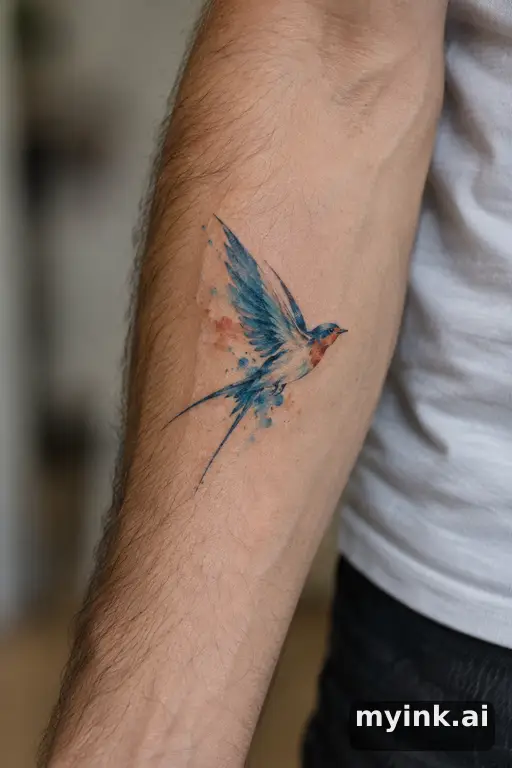
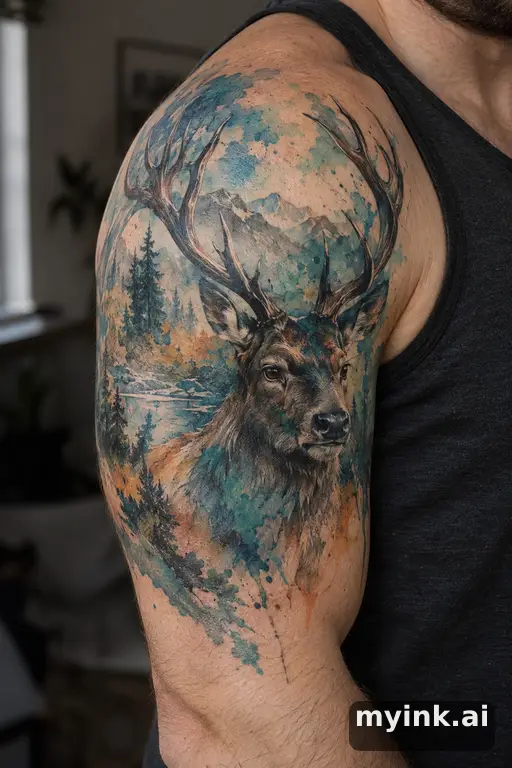
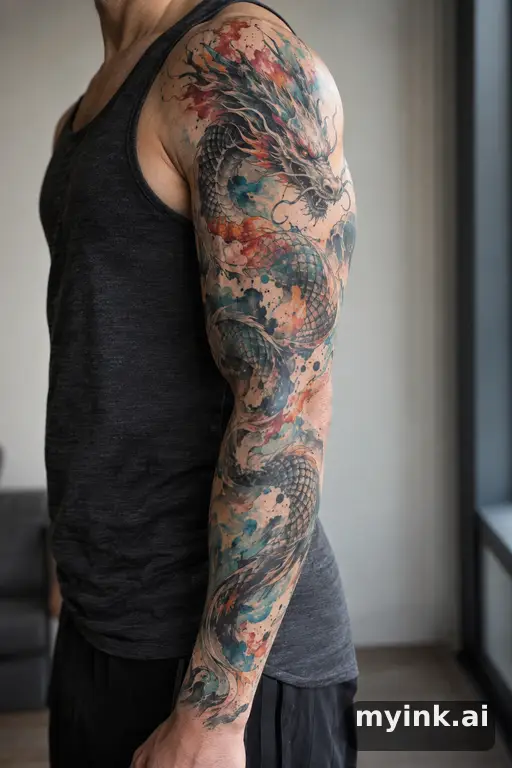
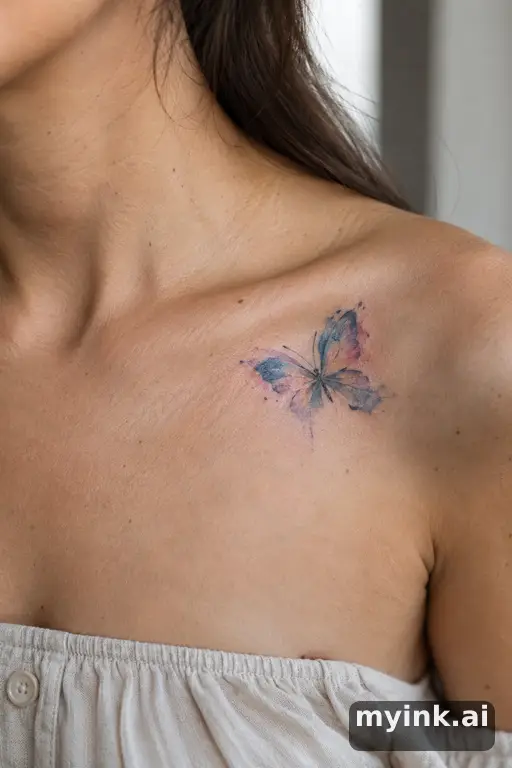
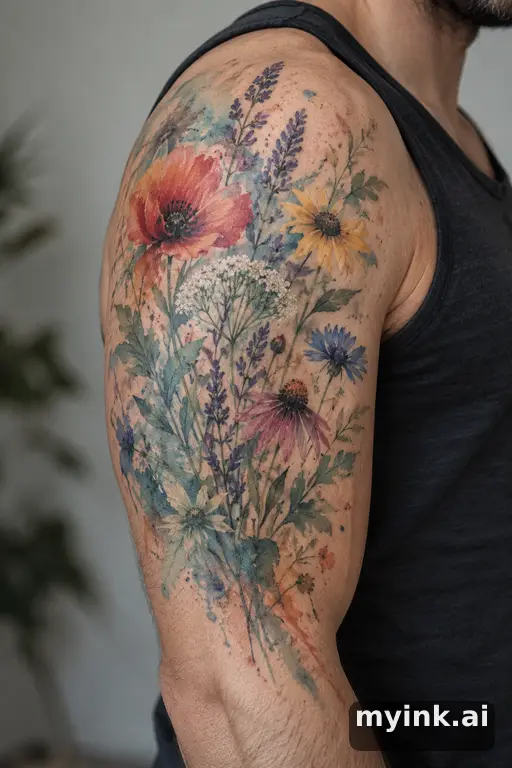
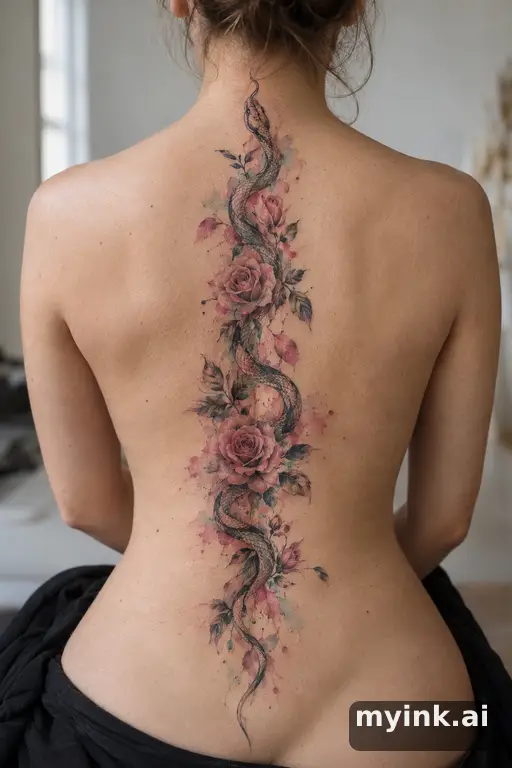
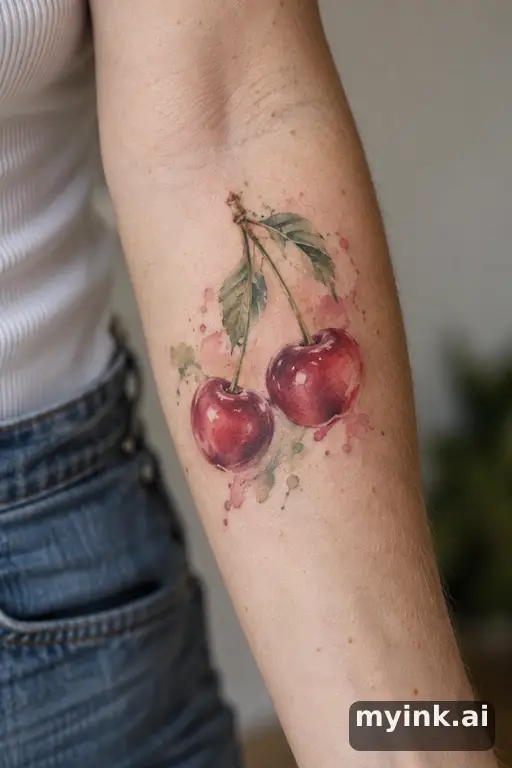
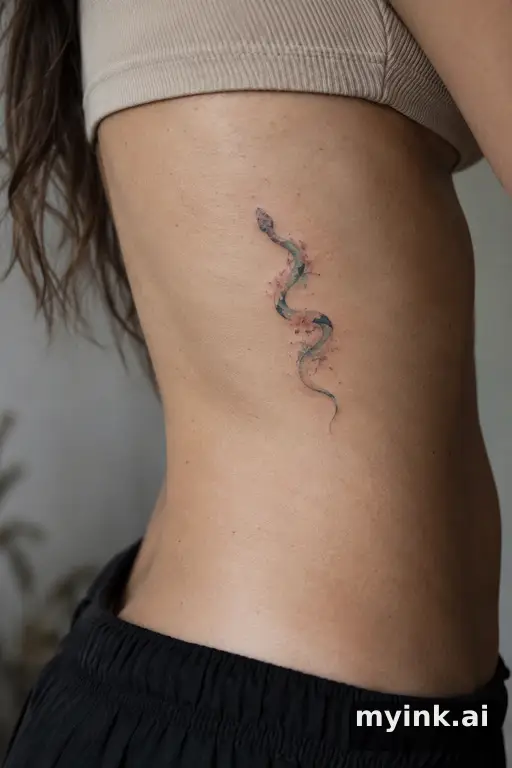
Opening is free · 4 directions use 4 credits · try-on 1 credit
View all inspiration →Watercolor tattoo designs translate the luminous, spontaneous quality of watercolor painting into skin, creating tattoos that look like brushstrokes, color bleeds, and paint splashes rather than traditional ink work. The style emerged in the late 2000s as a reaction against the heavy outlines and solid fills of conventional tattooing, seeking instead the soft gradients, color diffusion, and apparent spontaneity associated with fine art on paper. At their best, watercolor tattoos appear to glow with internal light, their pigments seeming to float just beneath the skin's surface. Popular subjects include flowers, animals, birds, and abstract color fields, often presented without outlines so the colors themselves define form. The style demands exceptional color theory knowledge from the artist and careful placement on flatter body areas to prevent distortion. It also raises unique longevity questions that collectors should understand before committing. The MyInk AI generator offers a low-stakes way to explore watercolor palettes and compositions before the needle touches your skin.
Watercolor forearm tattoos
4 of the 24 designs in this gallery are placed on the forearm; subjects include angel, cherry and star.
Browse Forearm Tattoo Ideas →Generate a Watercolor Tattoo
Open the studio with Watercolor pre-selected, describe what it means to you, and generate a 4-image design set.
Open the studioHistory and Origins of Watercolor Tattooing
Watercolor tattooing is one of the newest major styles in the industry, emerging from fine-art influences and technical advances in pigment formulation.
Fine Art Influences and the Style's Emergence
Watercolor tattooing emerged around 2007 to 2010 as artists with fine-art training began bringing painting techniques directly to skin. Amanda Wachob, a New York artist, is widely credited with pioneering the style by creating abstract color field compositions that referenced contemporary painting rather than traditional tattoo conventions. Her work demonstrated that tattooing could exist in the fine-art conversation.
Social Media Virality and Rapid Spread
Instagram accelerated watercolor tattooing's global spread dramatically between 2012 and 2016. The style's vivid colors photographed strikingly well, making watercolor pieces consistently viral on visual platforms. This visibility created both demand and a wave of artists attempting the style without adequate training, leading to quality variation that the market is still sorting through.
Technical Foundations in Pigment Dilution
Watercolor effects in tattooing are achieved through careful dilution of ink, layered color passes, and precise needle pressure control. Artists must understand how different pigments interact under the skin — not all colors dilute predictably, and some bleed more aggressively than others. This technical knowledge comes only from extensive practice and differentiates skilled watercolor tattooers from imitators.
Contemporary Evolution and Hybrid Approaches
Many contemporary artists now use hybrid approaches — a solid black outline containing watercolor fills, or structural black brushstroke marks providing anchor points for looser color work. These hybrids address watercolor's longevity challenges while preserving its distinctive painterly aesthetic. The debate between outline and no-outline watercolor remains active in the tattoo community.
Key Characteristics and Popular Watercolor Designs
Watercolor tattooing has a distinctive visual grammar that separates it clearly from other styles, though it borrows technical elements from several traditions.
Color Bleeds, Drips, and Splash Effects
The defining visual elements of watercolor tattooing are loose, intentional color bleeds beyond the form's edge, paint drip effects running downward from subjects, and color splash backgrounds that suggest a brush loaded with pigment. These elements must be planned carefully — they appear spontaneous but require precise execution to avoid looking accidental.
Soft Gradients and Color Layering
Unlike traditional tattooing's flat fills, watercolor work builds form through multiple color passes that blend from saturated to diluted. A sunset sky effect in a watercolor landscape might require five or six separate color layers applied in sequence. This layering builds optical depth that mimics the translucency of actual watercolor paint on paper.
Watercolor Flowers, Birds, and Nature Subjects
Flowers — particularly roses, poppies, and wildflower bouquets — are the most requested watercolor tattoo subjects because their organic forms suit the painterly treatment naturally. Hummingbirds, feathers, butterflies, and abstract geometric shapes are also popular. The best watercolor subjects have recognizable silhouettes even when their interior detail is soft or abstract.
Abstract and Pure Color Field Work
The most avant-garde watercolor tattoos abandon representational subjects entirely, creating pure abstract color compositions — geometric color fields, overlapping transparent shapes, or gestural brushstroke marks. These pieces read as body-worn abstract paintings and appeal to collectors with fine-art backgrounds or those seeking something genuinely unusual.
Best Placements and Longevity Considerations
Watercolor tattoos require more strategic placement decisions than most styles because their soft edges and light fills are most vulnerable to fading in high-movement areas.
Upper Arm and Shoulder for Stable Canvas
The outer upper arm and shoulder provide relatively flat, stable skin that stretches minimally compared to joints. Watercolor designs here benefit from consistent healing and tend to retain their color saturation well. The upper arm is also easily concealed, making it a practical choice for those with workplace restrictions.
Thigh and Ribcage for Larger Compositions
Large watercolor compositions — botanical bouquets, birds in flight, or abstract color fields — suit the thigh and ribcage due to their generous canvas space. The skin in these areas experiences relatively little daily abrasion, which helps soft watercolor edges maintain definition over time. Ribcage placement is more painful but provides a striking, easily hidden canvas.
Avoiding Joints and High-Friction Areas
Wrists, elbows, knees, and finger placements are poor choices for watercolor tattoos. The skin in joint areas flexes constantly, which accelerates fading and causes soft ink deposits to migrate faster. Palms and feet are the worst possible placements for any watercolor work. Artists specializing in the style will advise against these locations.
Sun Protection and Long-Term Color Preservation
UV exposure fades all tattoo colors, but watercolor tattoos — with their lighter, more diluted pigments — are particularly vulnerable. Consistent high-SPF sunscreen application on healed watercolor tattoos dramatically extends their vibrancy. Most watercolor artists recommend touch-ups every five to seven years to restore original color saturation.
Explore Other Styles
Related Tattoo Ideas
Butterfly Tattoo Designs
Explore watercolor butterfly tattoos where wings become canvases for vivid color.
Flower Tattoo Designs
Discover watercolor flower tattoos blending botanical forms with painterly color.
Rose Tattoo Designs
See rose tattoos rendered in soft watercolor washes and color bleeds.
Trusted Resources
Tattoo Ink Safety — FDA Fact Sheet
FDA guidance on tattoo ink composition, safety considerations, and the current regulatory status of tattoo pigments in the United States.
Tattoo Aftercare and Fading Prevention — Healthline
Step-by-step aftercare instructions and long-term color preservation strategies particularly relevant for delicate styles like watercolor.
Tattoo Safety — American Academy of Dermatology
Dermatologist-reviewed guidance on safe tattooing practices, allergic reaction risks, and ink pigment considerations.
Frequently Asked Questions
Do watercolor tattoos fade faster than traditional tattoos?
Should watercolor tattoos have black outlines or not?
Can watercolor tattoos cover dark skin effectively?
How do I find an artist who truly specializes in watercolor tattooing?
What is the average cost of a watercolor tattoo compared to traditional work?
Ready to Design Your Watercolor Tattoo?
Preview on skin
Try this on your skin
Upload a photo and see the design placed on your own body before anything is permanent.
Try it on · 1 credit →
Free advisor
Create your own design
Describe one idea and the advisor shapes it into 4 genuinely different directions.
Open the studio — free to start →
The advisor is free. A round of 4 directions costs 4 credits — See plans — 8 free credits to start