Tribal Tattoo Ideas, Meanings and Placement Guide
Recent Tribal inspiration
AIAI-generated inspiration, not customer tattoos · open any design for a closer look
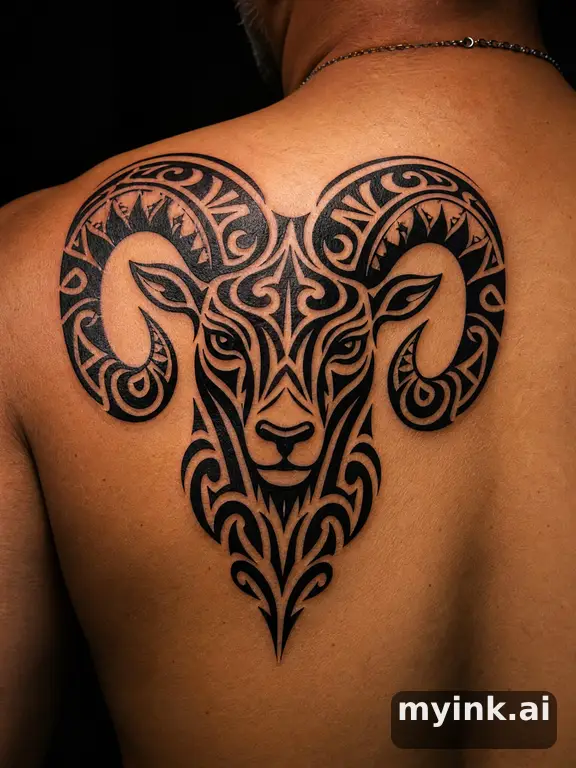
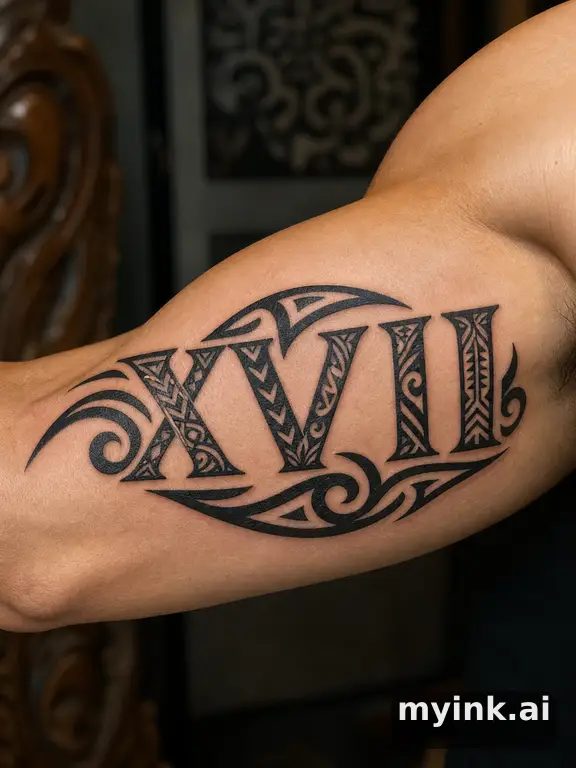
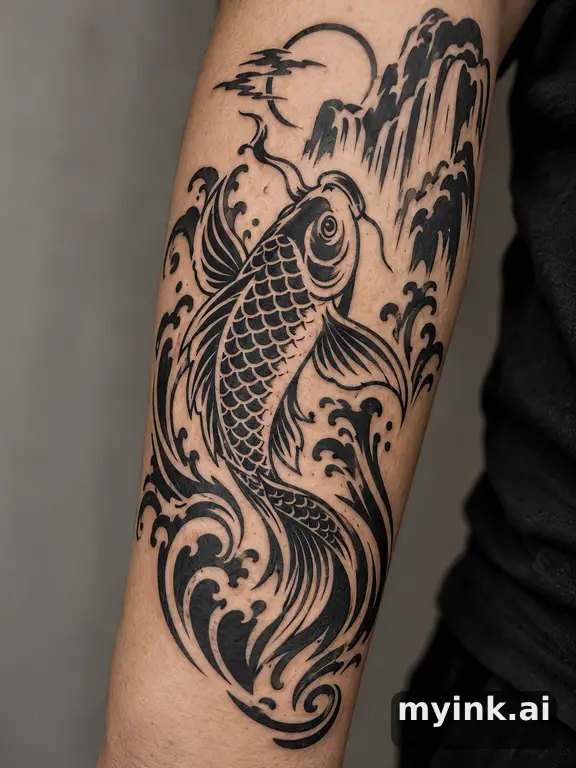
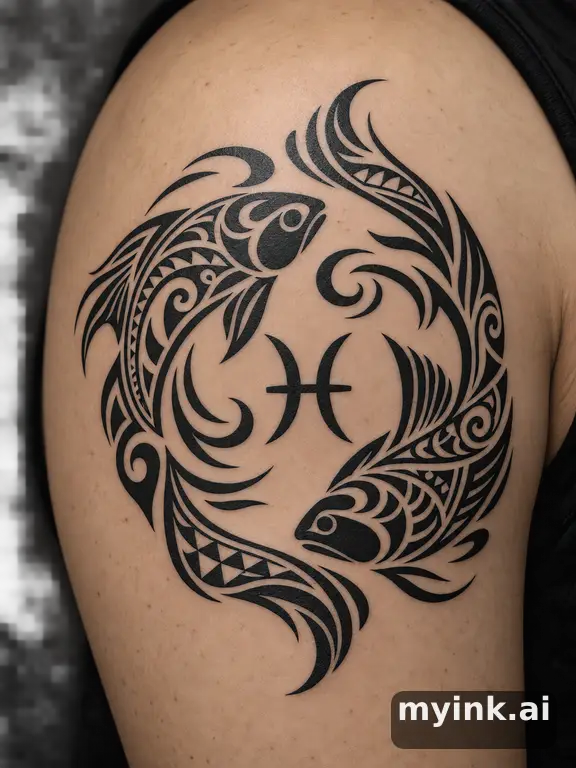
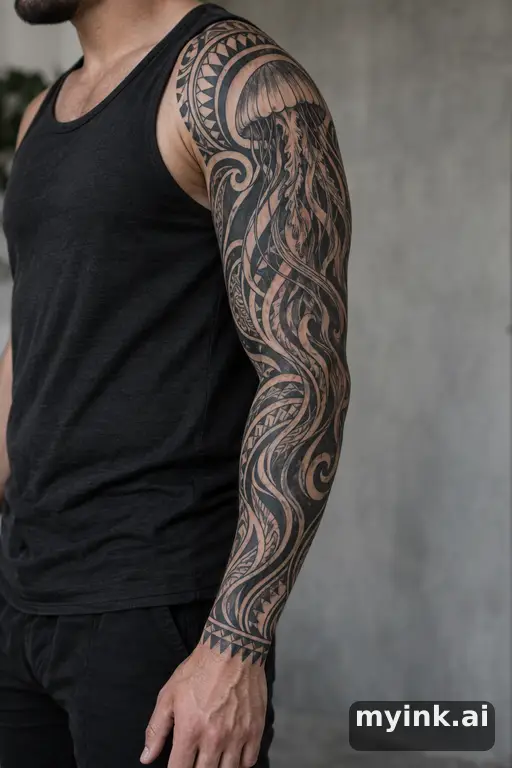
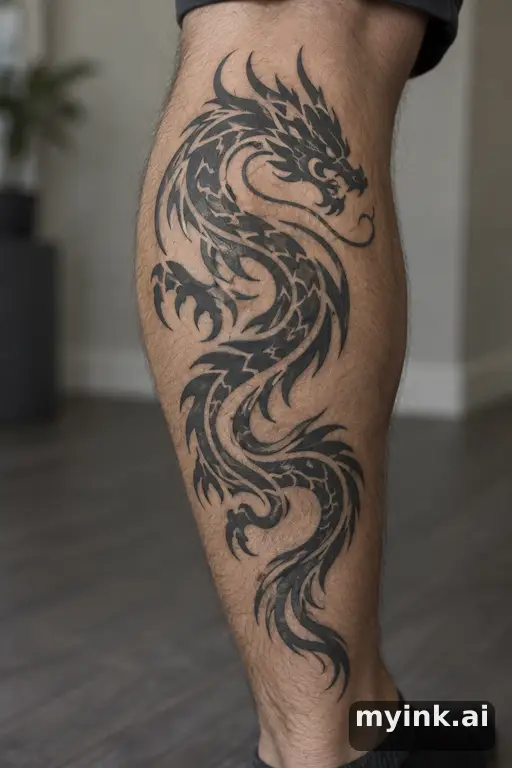
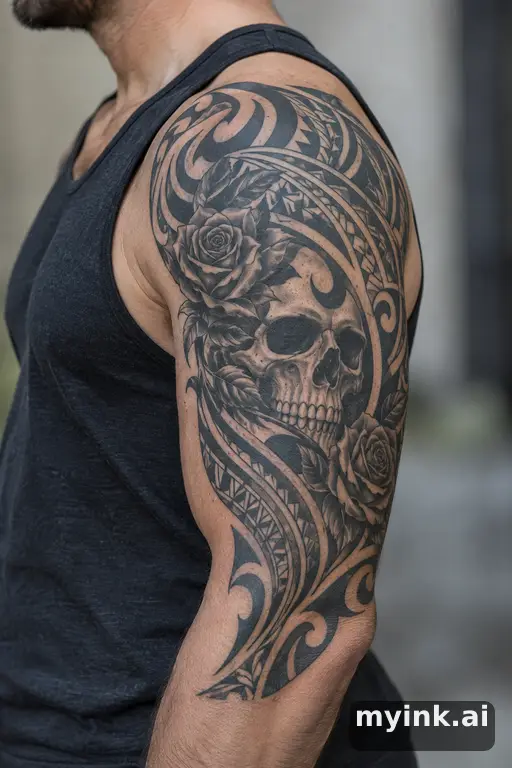
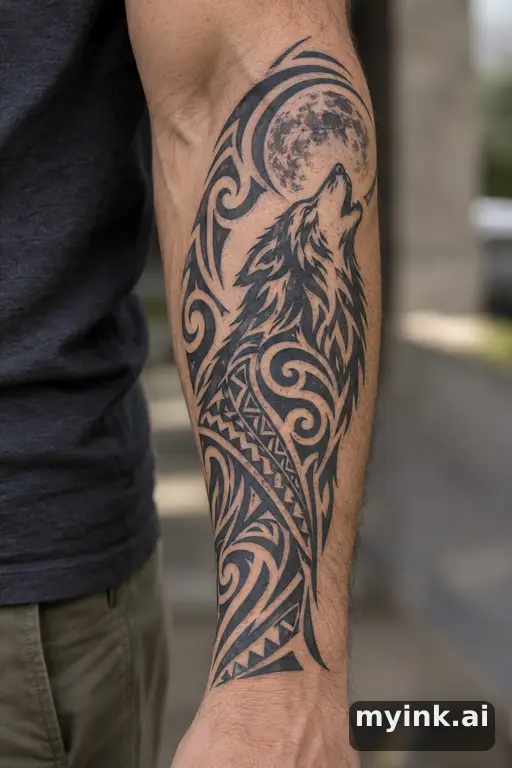
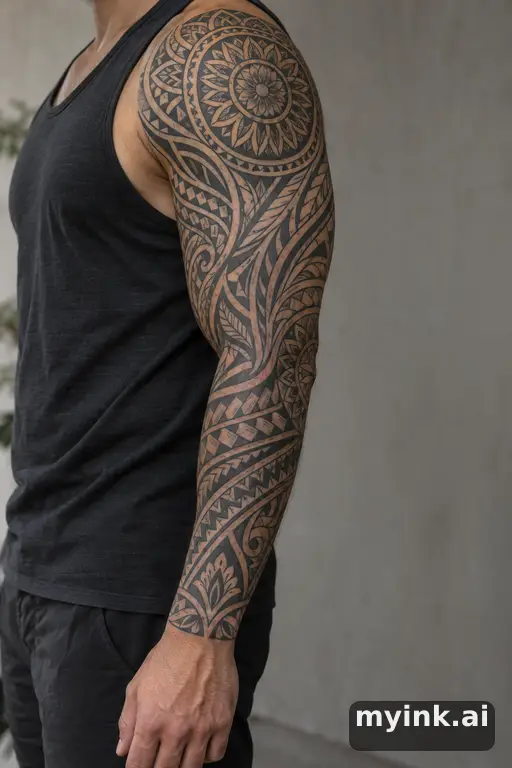
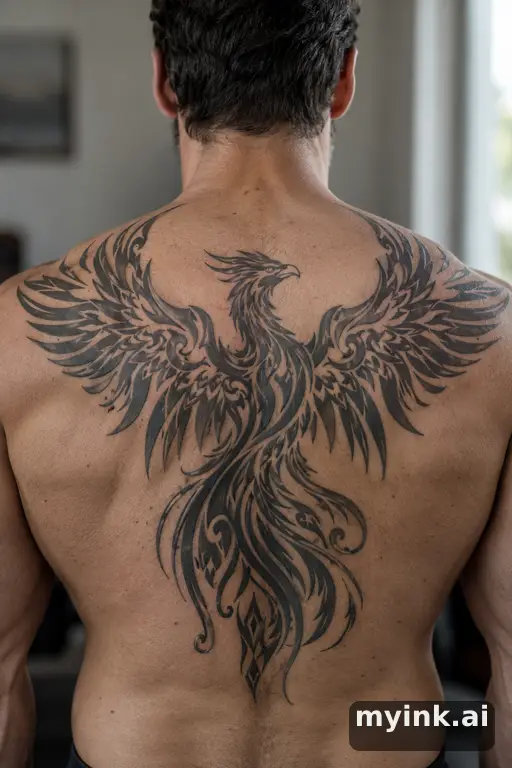
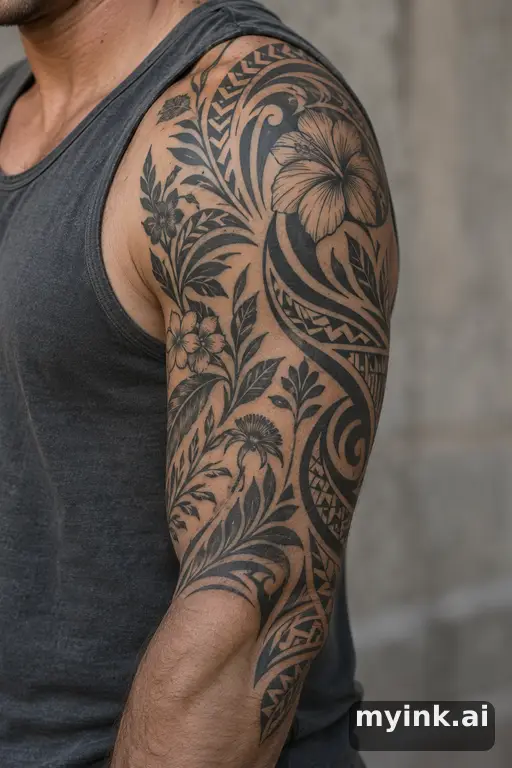
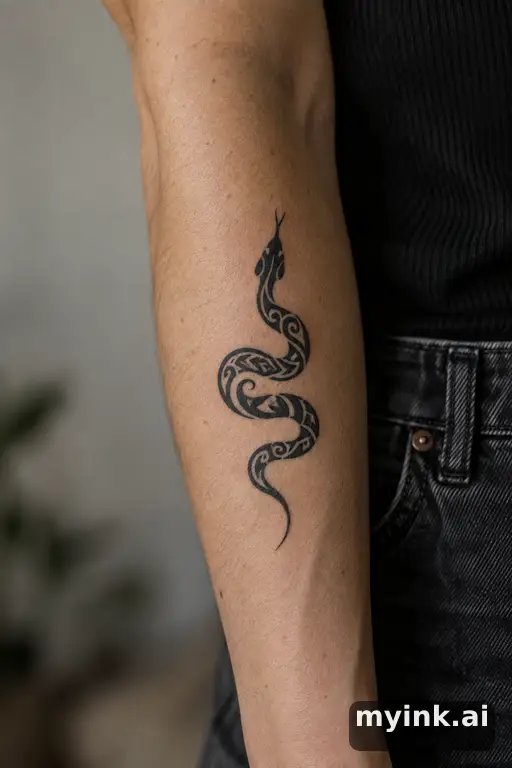
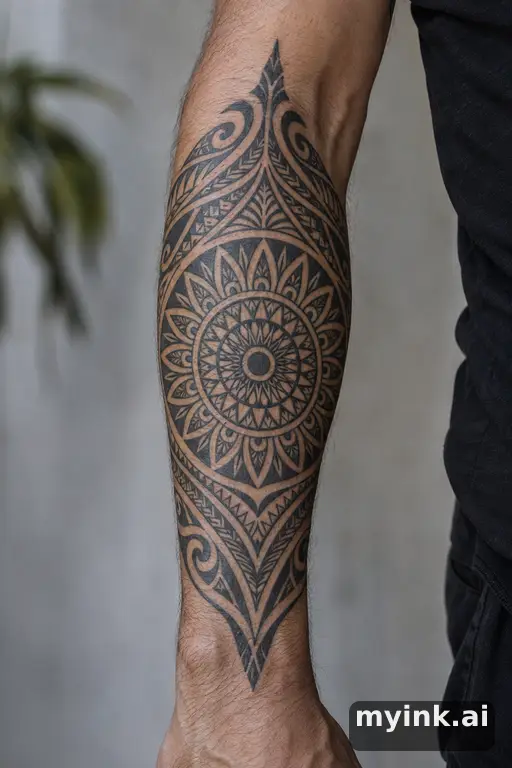
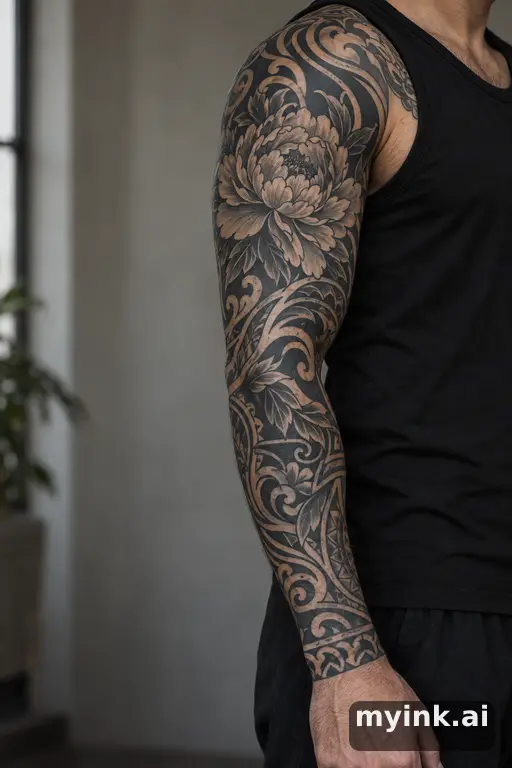
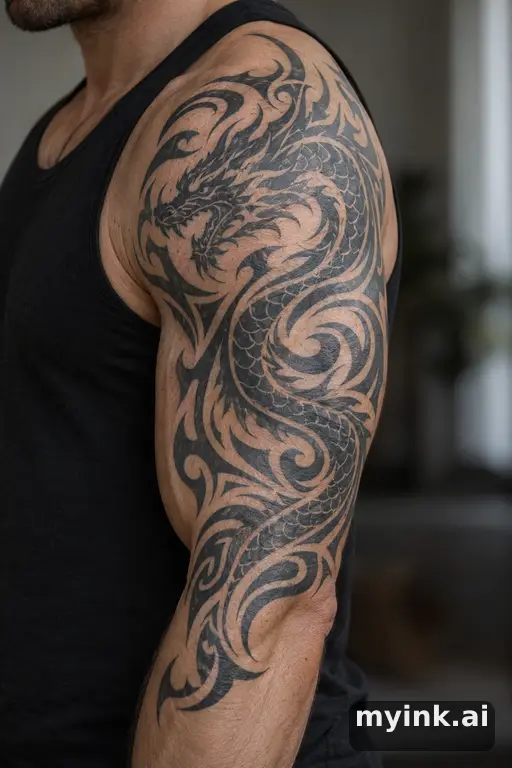
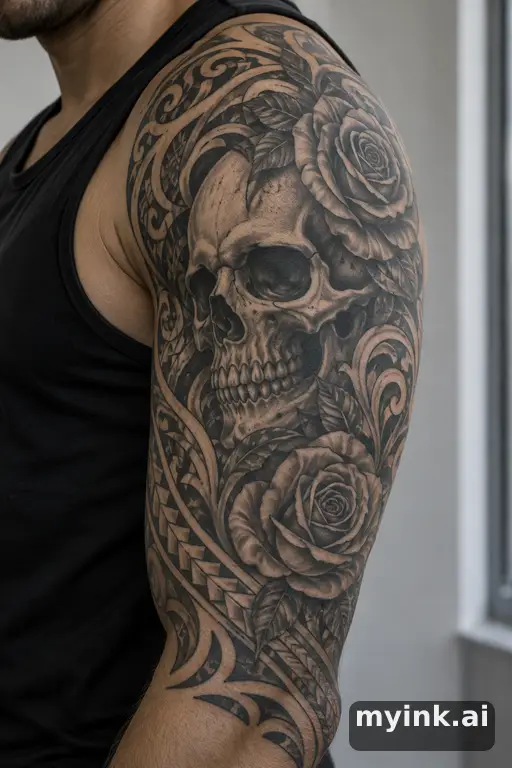
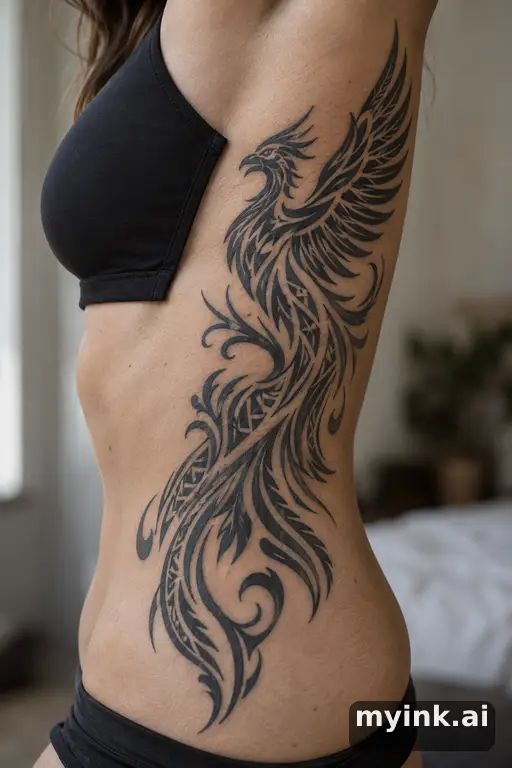
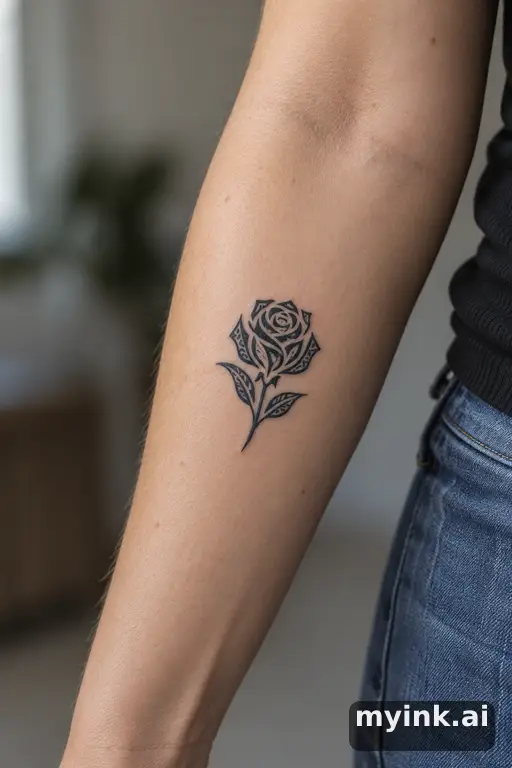
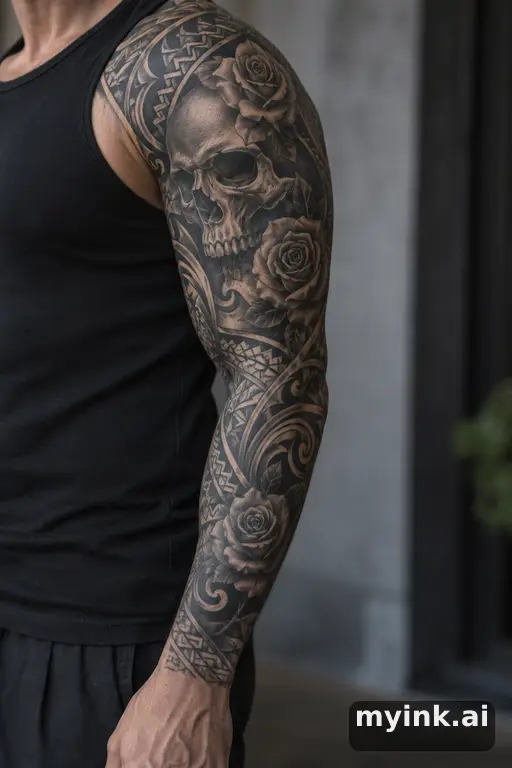
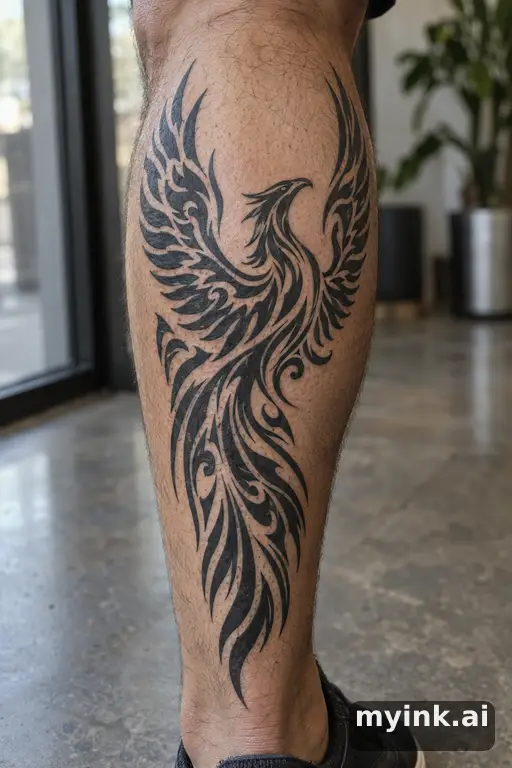
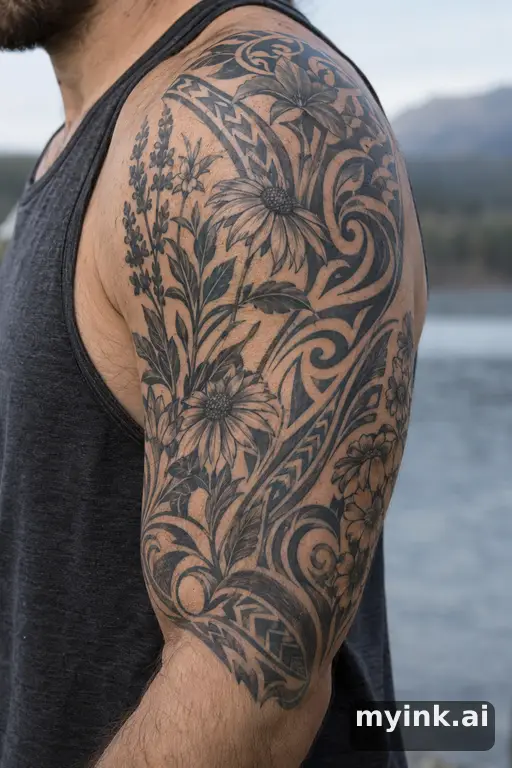
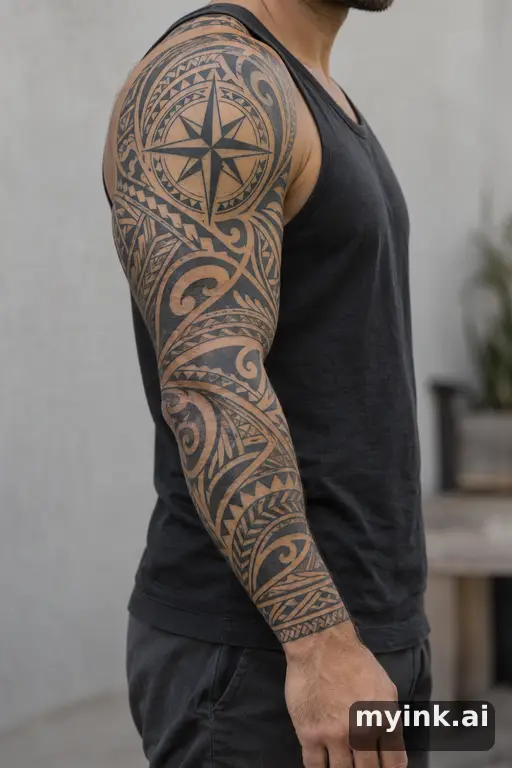
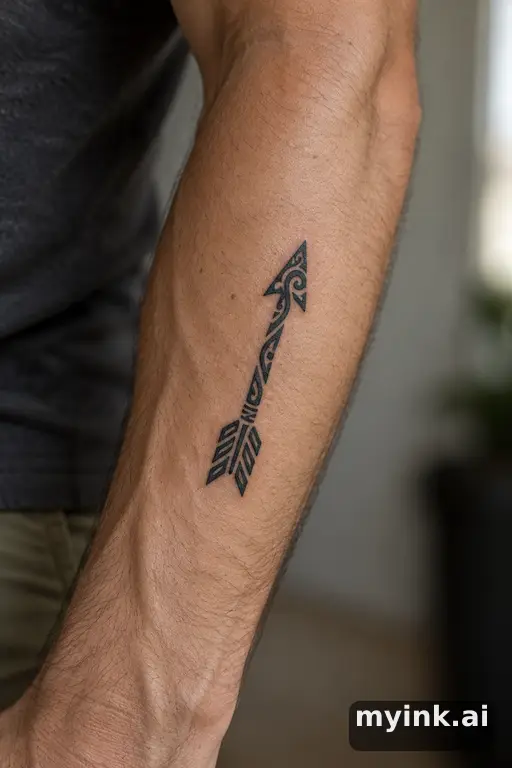
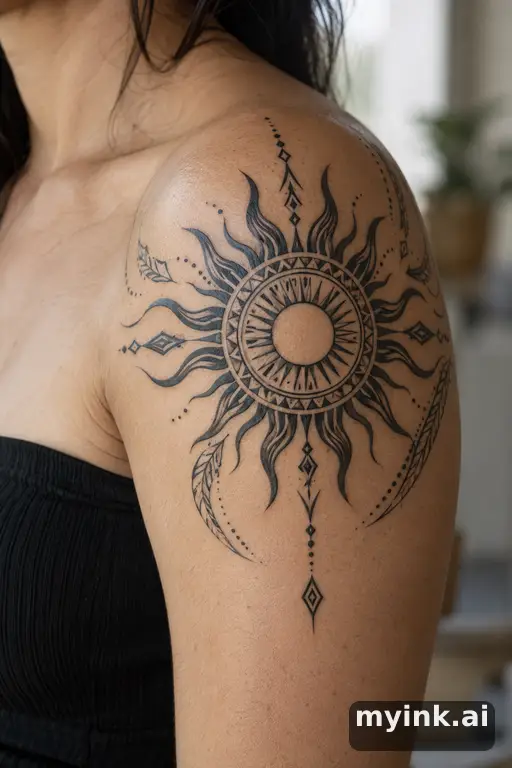
Opening is free · 4 directions use 4 credits · try-on 1 credit
View all inspiration →A tribal tattoo is usually chosen for bold pattern, body flow, and cultural meaning. Tribal tattoo ideas draw from some of the oldest tattooing traditions on earth, with roots in Polynesian, Maori, Filipino, Borneo, Native American, and African body-marking cultures that predate Western tattooing by thousands of years. In these traditions, tattoos were never purely decorative — they encoded genealogy, social rank, spiritual protection, and life milestones in an interlocking system of symbols that only initiated members could fully read. Today, tribal tattooing exists in two distinct contexts: authentic practice maintained within living cultural communities, and a broader global market that adapts tribal aesthetics into bold, graphic body art. Understanding the cultural origins of specific patterns helps collectors make informed, respectful choices. The MyInk AI generator lets you explore tribal-inspired compositions before consulting an artist.
Tribal forearm tattoos
5 of the 24 designs in this gallery are placed on the forearm; subjects include arrow, mandala and rose.
Browse Forearm Tattoo Ideas →Tribal half sleeve tattoos
5 of the 24 designs in this gallery are placed as a half sleeve; subjects include flower, skull and dragon.
Browse Half Sleeve Tattoo Ideas for Men →Tribal sleeve tattoos
5 of the 24 designs in this gallery are placed as a full sleeve; subjects include compass, jellyfish and mandala.
Browse Sleeve Tattoo Designs →Generate a Tribal Tattoo
Open the studio with Tribal pre-selected, describe what it means to you, and generate a 4-image design set.
Open the studioHistory and Origins of Tribal Tattooing
Tribal tattooing encompasses multiple distinct traditions developed independently across the Pacific, Southeast Asia, the Americas, and Africa, each with its own symbolism, tools, and social functions.
Polynesian Tattooing: Pe'a and Pe'a Malu
Samoan tattooing, including the pe'a (men's tattooing from waist to knees) and malu (women's tattooing), represents one of the most elaborately documented Polynesian traditions. Applied with traditional hand-tapping tools called au over multiple painful sessions, these tattoos mark major life transitions and social identity. The process is as important as the outcome in Samoan culture.
Maori Ta Moko — Facial and Full-Body Identity Marking
Maori ta moko is a facial and body tattooing tradition that encodes an individual's specific genealogy, tribal affiliation, and life achievements in curvilinear spiral patterns called koru. Unlike generic tribal designs, ta moko is considered uniquely personal — two individuals will never share identical designs because their life stories differ. Non-Maori wearing ta moko remains a significant cultural sensitivity.
Filipino and Borneo Traditions
The Kalinga people of the Philippines have practiced a geometric tattooing tradition for centuries, typically marking women as symbols of beauty and men as evidence of warrior status. Borneo tattoo traditions, particularly Dayak designs, use fern-like motifs believed to provide protection during transition — including the transition of death — and are among the most graphically refined tribal systems.
Tribal Design in Western Popular Culture
Tribal tattooing entered mainstream Western consciousness in the 1990s, driven in part by tattoo artist Leo Zulueta who adapted Pacific tribal aesthetics for a Western audience. What followed was an enormous wave of tribal bands, arm pieces, and back designs that divorced patterns from their cultural context. Contemporary practitioners increasingly acknowledge this history and encourage educated engagement with source traditions.
Key Characteristics and Popular Tribal Designs
Whatever its specific cultural origin, tribal tattooing shares visual characteristics that make it instantly identifiable and anatomically powerful.
Bold Black Fills and Flowing Organic Lines
Tribal tattooing is executed almost exclusively in solid black with no shading — the visual drama comes from the contrast between dense black fills and bare skin. Lines are bold and flowing rather than geometric or rigid, curving around muscle groups in ways that appear to enhance and define the body's natural contours rather than sitting on it like a flat design.
Symmetry, Repetition, and Pattern Logic
Traditional tribal designs are not arbitrary — they follow internal pattern logics where motifs repeat, mirror, and interlock according to cultural rules. A Polynesian tattoo artist trained in traditional methods can 'read' a design the way a linguist reads text. Contemporary artists often approximate this internal logic to create coherent-feeling designs even when working outside the traditional context.
Arm Bands, Shoulder Caps, and Wrapping Designs
Tribal arm bands and shoulder caps remain among the most popular tribal tattoo requests. A well-executed tribal band wraps around the upper arm naturally, following the arm's cylindrical form. Shoulder cap designs extend from the upper arm across the shoulder and sometimes onto the chest, using tribal pattern logic to fill the curved surface coherently.
Nature Symbols in Tribal Context
Polynesian tribal designs incorporate specific nature symbols including turtle shells representing longevity, shark teeth representing strength and protection, ocean waves, sun rays, and enata (human figures) representing ancestors or community members. Each symbol placement within the overall composition carries meaning that a culturally informed artist can help you navigate.
Best Placements and Sizing for Tribal Tattoos
Tribal tattoo designs are traditionally full-body compositions, but contemporary practice has developed excellent conventions for single-area placements that honor the style's anatomical intelligence.
Upper Arm and Shoulder: The Most Requested Placement
The upper arm is the most popular contemporary placement for tribal work, accommodating anything from a narrow band to a full shoulder cap extending toward the chest. The rounded surface suits the flowing, wrapping nature of tribal patterns. Artists experienced in tribal work plan compositions to read correctly from multiple viewing angles as the arm rotates.
Leg and Calf Tribal Wraps
The calf and thigh offer large, curved canvases ideal for tribal compositions that wrap continuously around the limb. Traditional Samoan-style leg panels can extend from the upper thigh to below the knee in a comprehensive composition. The outer calf is particularly popular for standalone tribal designs because it presents a natural vertical rectangle when viewed from the side.
Back and Full Body Compositions
Full back tribal pieces — whether Polynesian-inspired or drawing from other cultural traditions — are among the most ambitious tattoo projects in any style. They require an artist who understands how to plan a composition that flows correctly across the back's contours, accounting for the spine, shoulder blades, and lower back as structural reference points.
Chest and Sternum Tribal Panels
Chest tribal compositions, particularly those drawing from Hawaiian or Marquesan designs, frame the pectoral muscles with geometric-organic patterns that follow natural anatomical lines. These placements are high-impact and traditionally masculine but can be adapted for any body type. Pain levels are elevated near the sternum and collarbone.
Explore Other Styles
Related Tattoo Ideas
Sleeve Tattoo Designs
Explore tribal sleeve compositions that wrap around the arm with pattern logic.
Tattoo Designs for Men
Discover bold tribal tattoo ideas popular for masculine shoulder and arm placements.
Hand Tattoo Designs
See how tribal patterns extend onto the hand and wrist in traditional and contemporary styles.
Trusted Resources
Polynesian Tattooing — Wikipedia
Encyclopedia overview of Polynesian tattoo traditions across Pacific island cultures, including historical context and specific regional practices.
Tattoo Safety — American Academy of Dermatology
Medical guidance on safe tattooing practices, infection prevention, and skin care for new large-scale tattoo work.
Alliance of Professional Tattooists — Safety Standards
Professional organization standards for studio hygiene, bloodborne pathogen protocols, and ethical tattooing practice.
Frequently Asked Questions
Is it culturally disrespectful to get a tribal tattoo if you are not from that culture?
How long do tribal tattoos last compared to other styles?
Can women get tribal tattoos?
What is the difference between Polynesian and Maori tattooing?
How do tribal tattoos interact with hair growth on arms and legs?
Ready to Design Your Tribal Tattoo?
Preview on skin
Try this on your skin
Upload a photo and see the design placed on your own body before anything is permanent.
Try it on · 1 credit →
Free advisor
Create your own design
Describe one idea and the advisor shapes it into 4 genuinely different directions.
Open the studio — free to start →
The advisor is free. A round of 4 directions costs 4 credits — See plans — 8 free credits to start