Neo Traditional Tattoo Designs — Bold Lines Reimagined
Recent Neo-Traditional inspiration
AIAI-generated inspiration, not customer tattoos · open any design for a closer look
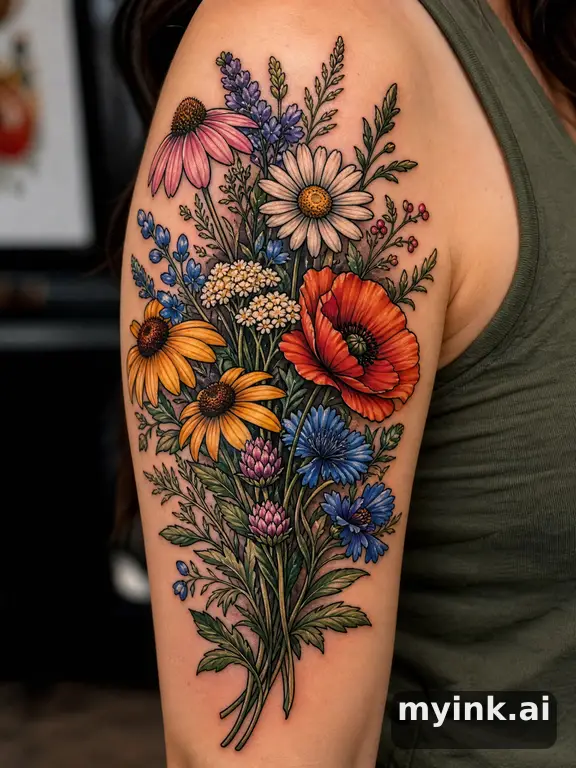
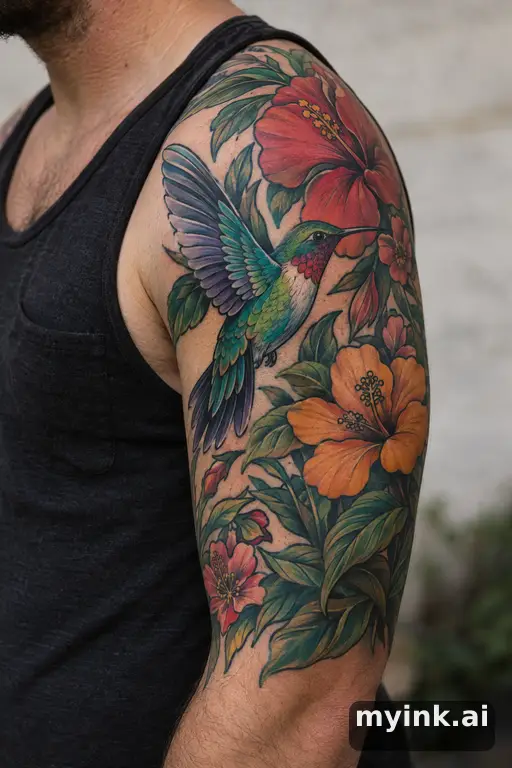
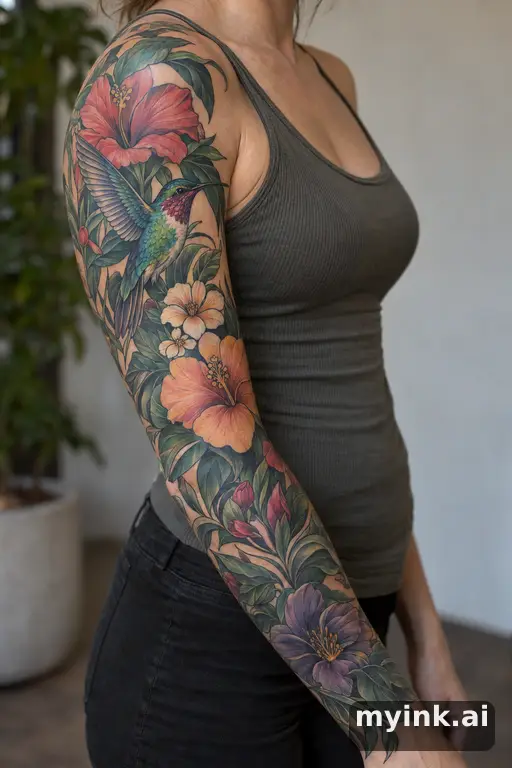
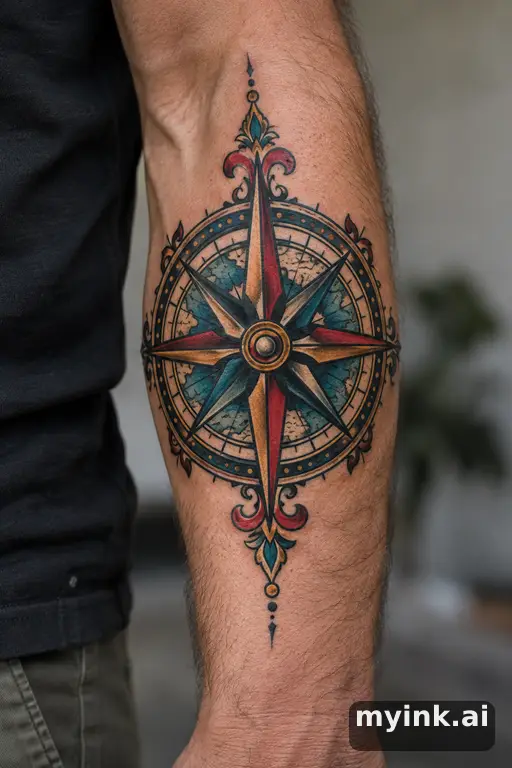
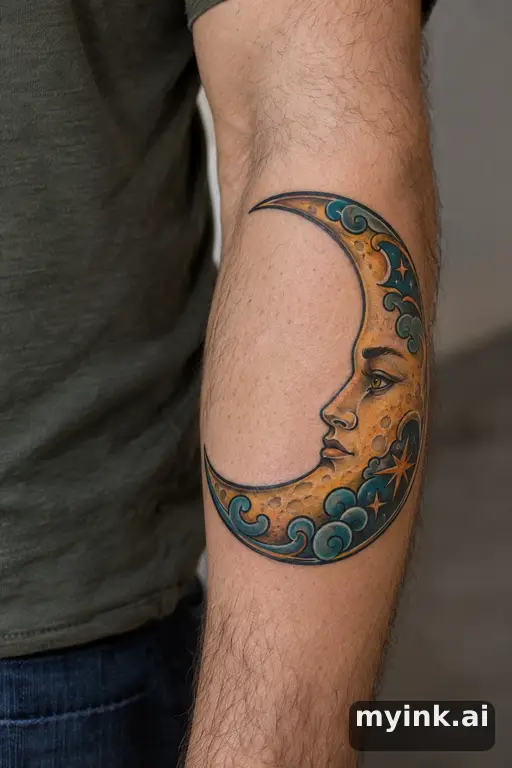
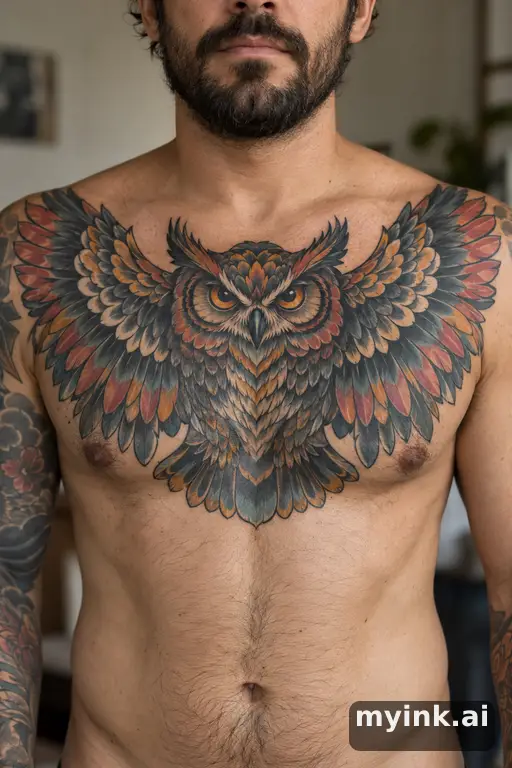
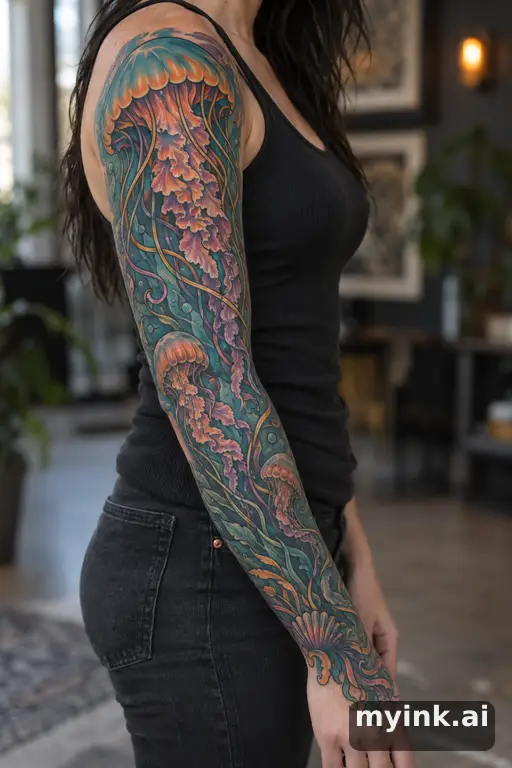
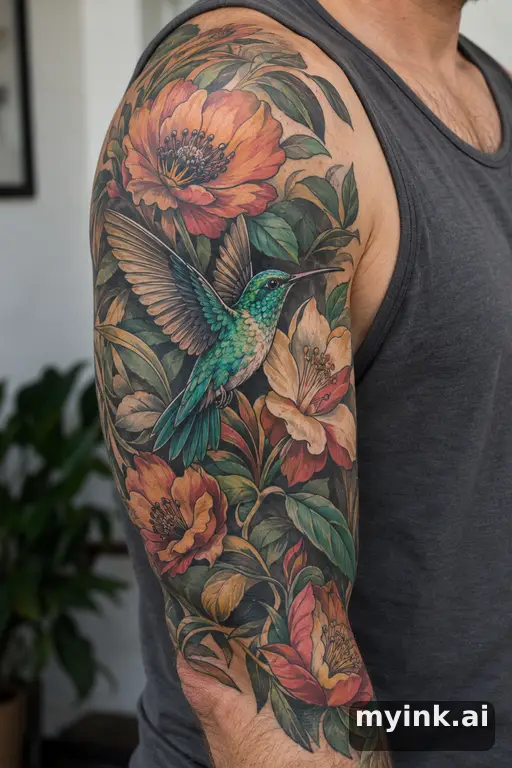
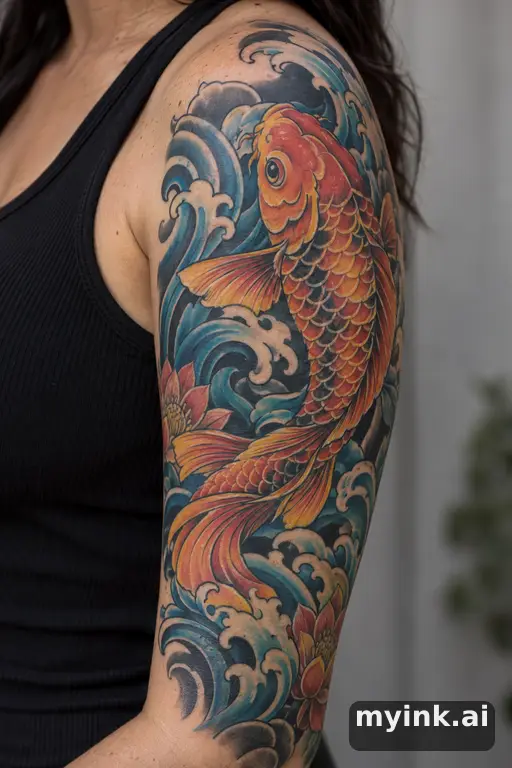
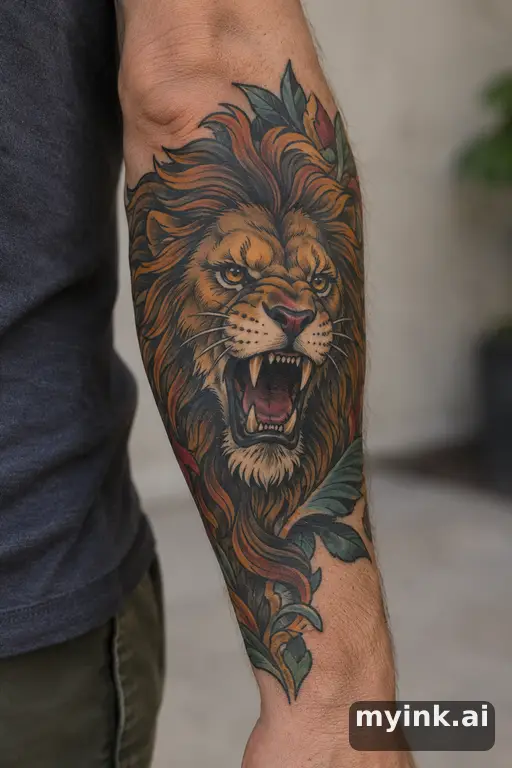
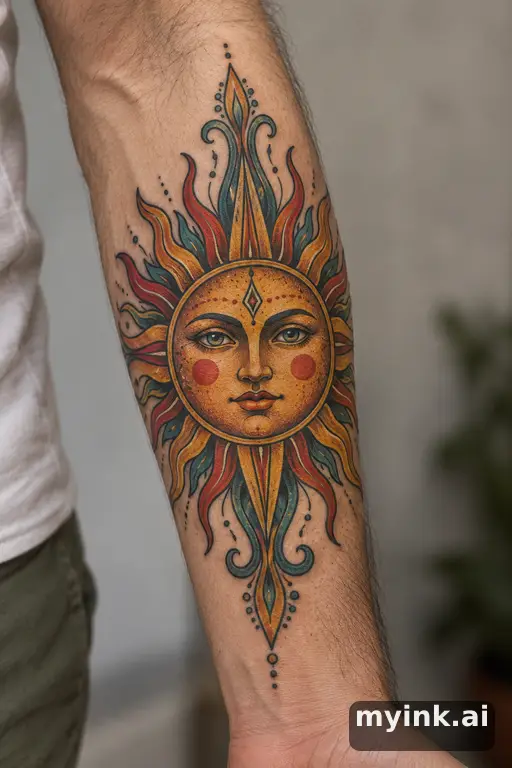
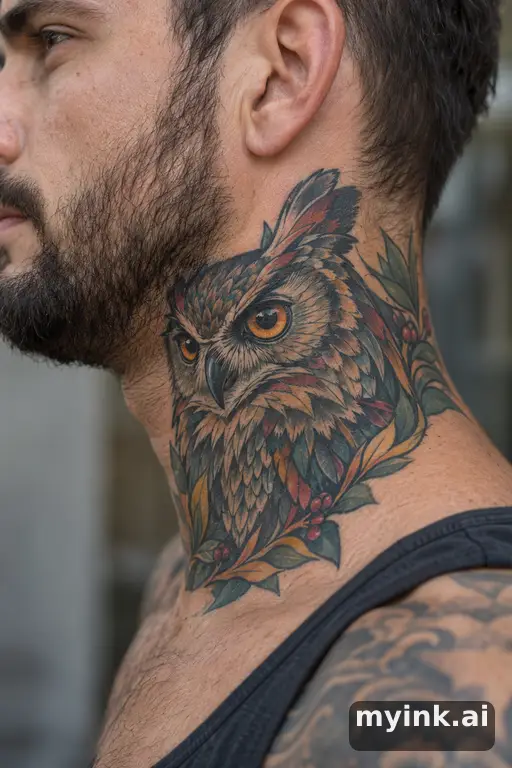
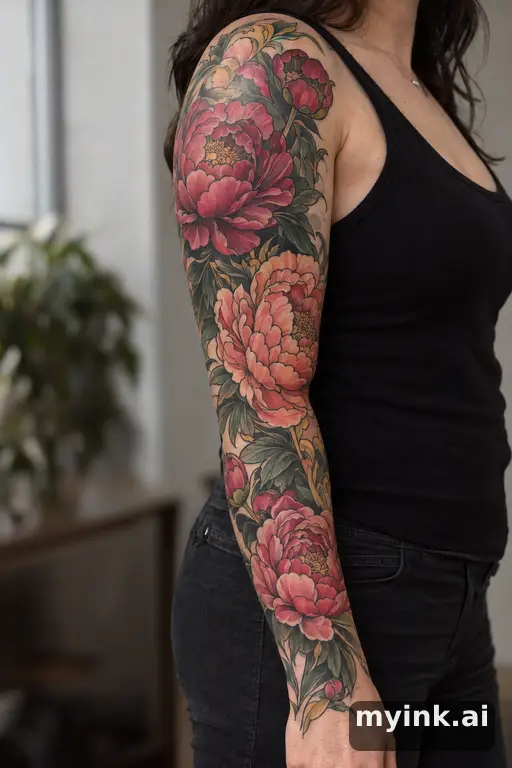
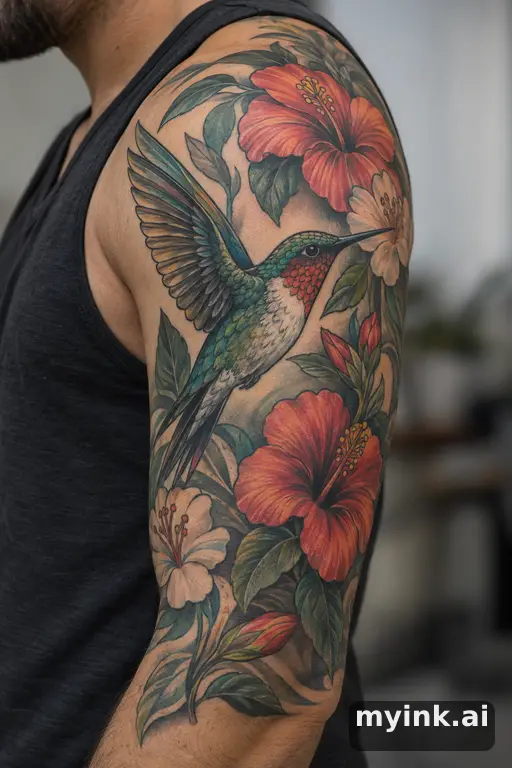
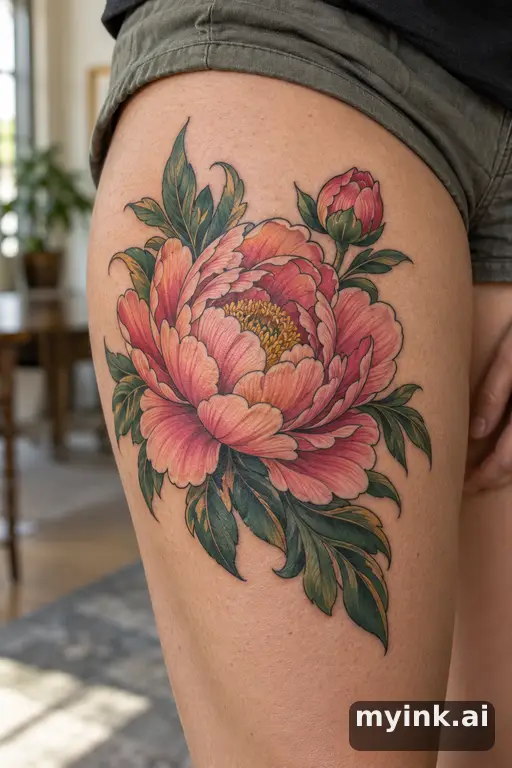
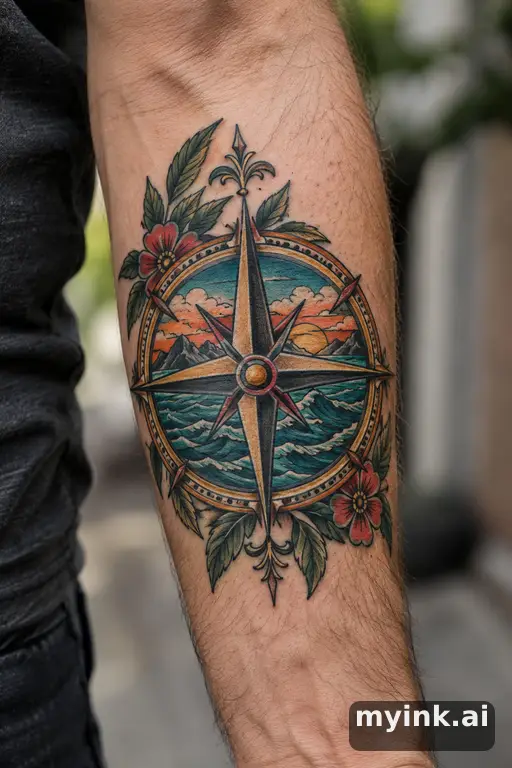
Opening is free · 4 directions use 4 credits · try-on 1 credit
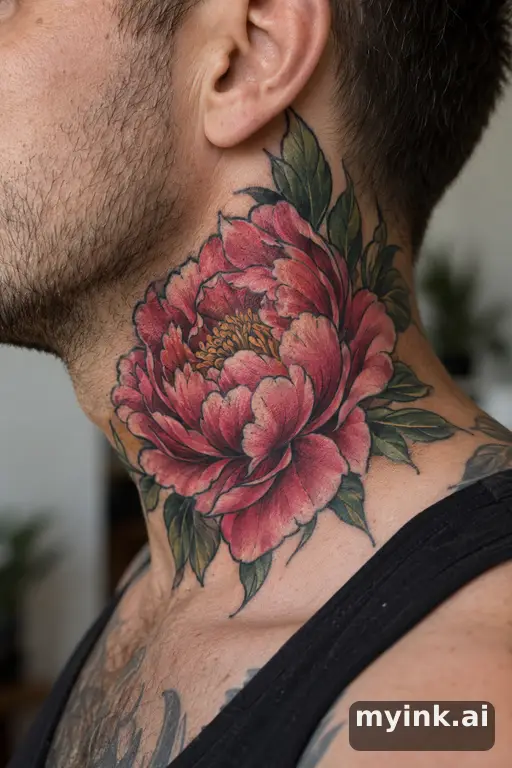
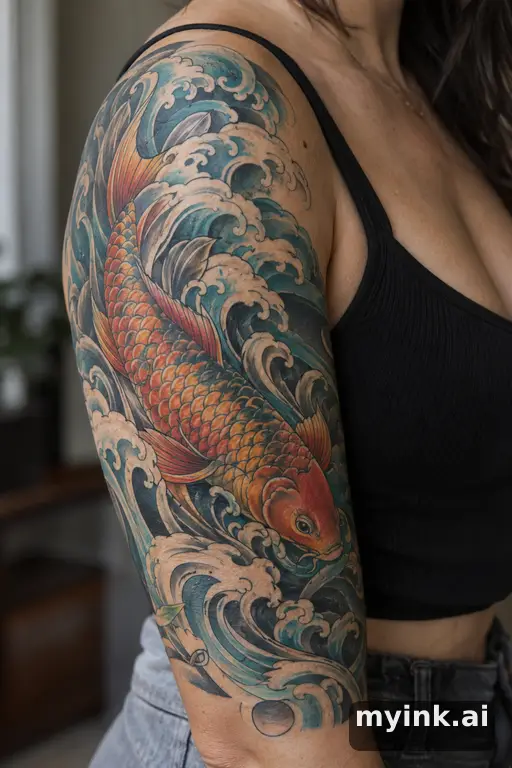
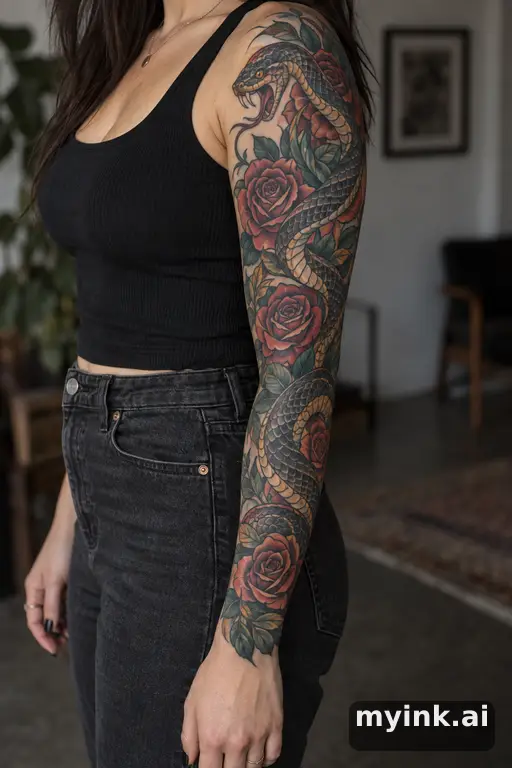
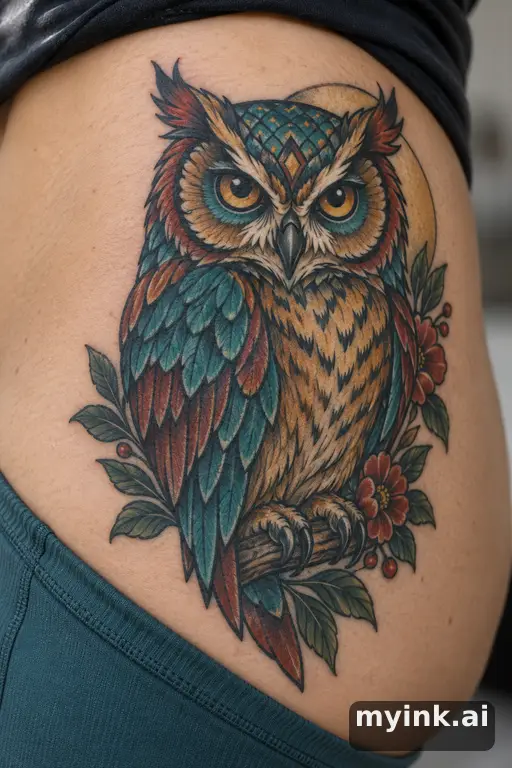
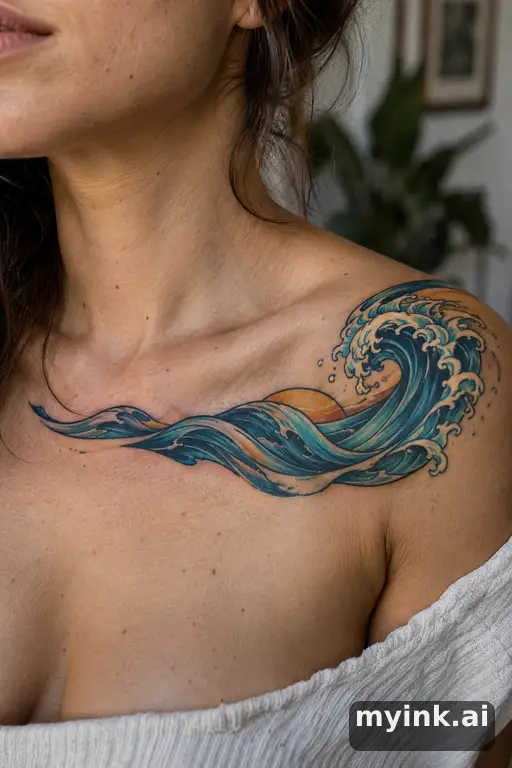
View all inspiration →Neo traditional tattoo designs take the bold outlines and iconic visual structure of American Traditional tattooing and expand them dramatically — adding a richer color palette, more dimensional shading, Art Nouveau-inspired decorative elements, and a wider range of subjects while retaining the graphic strength that makes traditional tattooing age so well. The style bridges the gap between old-school flash aesthetics and contemporary fine-art tattooing, appealing to collectors who want the visual longevity of traditional work without its strict iconographic limitations. A neo traditional rose can have atmospheric gradient shading, jeweled decoration, or realistic petal texture while still carrying the bold outline that defines the style family. Animals, portraits, geometric frames, and botanical elements all translate beautifully into neo traditional interpretation. The style is particularly associated with artists who bring illustration backgrounds to tattooing, resulting in work that references Art Nouveau, graphic novel aesthetics, and decorative arts simultaneously. Use the MyInk AI generator to explore neo traditional compositions and color palettes before committing to your design.
Neo-traditional forearm tattoos
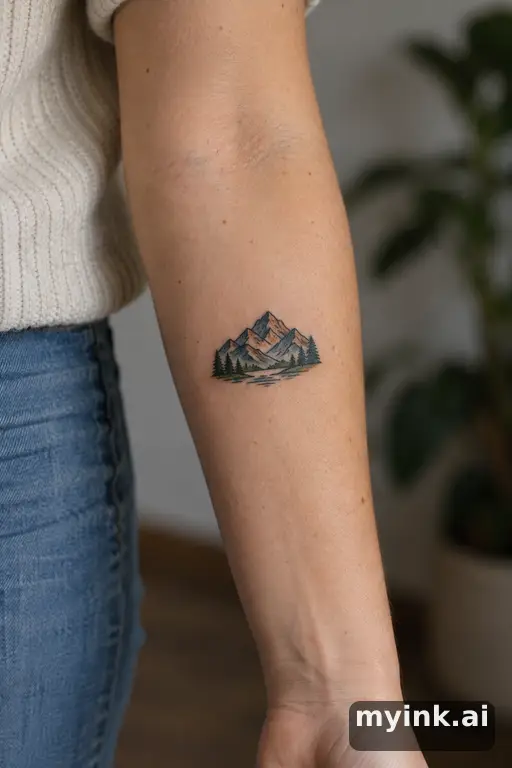
7 of the 24 designs in this gallery are placed on the forearm; subjects include compass, lion and moon.
Browse Forearm Tattoo Ideas →Neo-traditional half sleeve tattoos
5 of the 24 designs in this gallery are placed as a half sleeve; subjects include hummingbird and koi.
Browse Half Sleeve Tattoo Ideas for Men →Neo-traditional sleeve tattoos
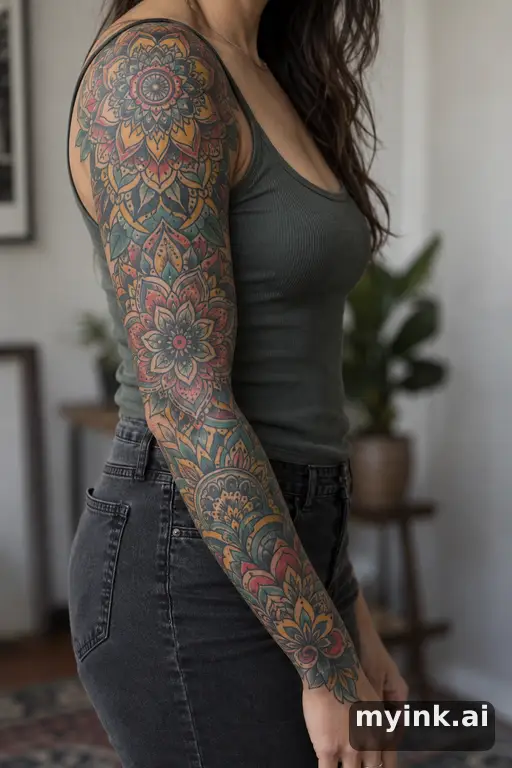
5 of the 24 designs in this gallery are placed as a full sleeve; subjects include hummingbird, jellyfish and mandala.
Browse Sleeve Tattoo Designs →Hummingbird tattoos in neo-traditional style
4 of the 24 designs in this gallery are hummingbird designs, most often as a half sleeve and as a full sleeve.
Peony tattoos in neo-traditional style
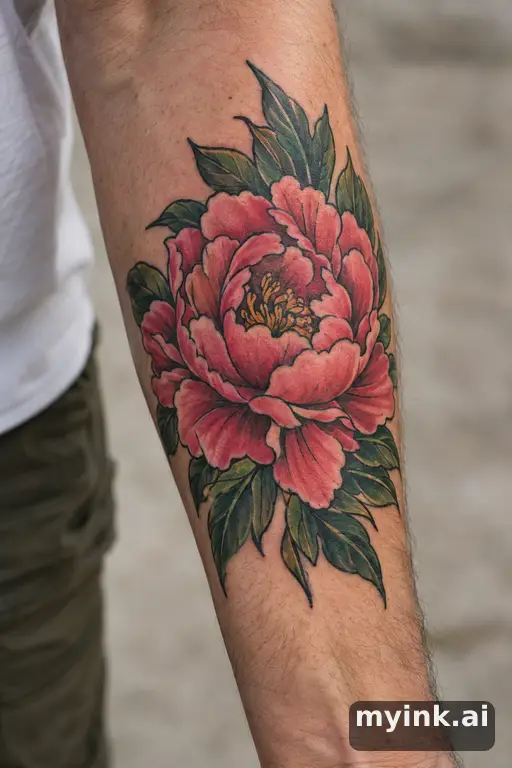
4 of the 24 designs in this gallery are peony designs, most often on the forearm and on the neck.
Browse Flower Tattoo Designs →Generate a Neo-Traditional Tattoo
Open the studio with Neo-Traditional pre-selected, describe what it means to you, and generate a 4-image design set.
Open the studioHistory and Origins of Neo Traditional Tattooing
Neo traditional tattooing grew directly out of the American Traditional revival and the art tattoo movement of the 1990s and 2000s, synthesizing influences from fine art, illustration, and tattoo history.
Traditional Tattooing as Foundation
Neo traditional could not exist without American Traditional as its departure point. The bold outline system — the technical backbone of neo traditional — is inherited directly from traditional tattooing's century-old conventions. Neo traditional artists typically study traditional work deeply before expanding beyond it, understanding the rules they are choosing to break or bend.
Art Nouveau and Decorative Art Influence
Art Nouveau's organic forms, decorative frames, jeweled accents, and flowing botanical elements became central to neo traditional's visual vocabulary. Artists incorporated peacock feathers, ornate borders, geometric gem settings, and elongated figural proportions associated with Alphonse Mucha and the late 19th-century decorative arts movement. This art-historical literacy gives neo traditional unusual visual depth.
Illustration and Graphic Novel Aesthetics
Many defining neo traditional artists came to tattooing from illustration, animation, or comic art backgrounds. Artists like Myke Chambers, Jime Litwalk, and Emily Rose Murray brought storytelling sensibilities and advanced color theory to the style. The resulting work often has a narrative quality — subjects exist in defined environments, respond to light sources, and display psychological expressiveness beyond flat icon imagery.
Contemporary Neo Traditional Communities
Neo traditional has developed a strong international following with dedicated conventions and publication platforms. Artists in Europe, North America, and Australia have built significant reputations and waitlists specifically within the style. Social media has allowed neo traditional work to reach global audiences, driving consistent demand growth for the style over the past decade.
Key Characteristics and Popular Neo Traditional Designs
Neo traditional designs are immediately identifiable by their bold structural outlines combined with expanded stylistic freedom in color, shading, and subject matter.
Bold Outlines with Dimensional Shading
The signature technical element of neo traditional tattooing is the combination of heavy black outlines — structural and clear, as in American Traditional — with sophisticated interior shading that creates three-dimensional form. Where traditional work uses flat color fills, neo traditional builds tonal gradients, atmospheric depth, and surface texture within the same bold outline framework.
Expanded Color Palette and Jeweled Tones
Neo traditional uses a dramatically wider color range than American Traditional, incorporating deep teals, purples, pinks, golds, and complex secondary mixes. Jewel tones — sapphire blue, emerald green, ruby red — are characteristic. Metallic effects, gem faceting, and decorative color are frequently incorporated into floral backgrounds, frames, and decorative elements surrounding the central subject.
Animals with Expressive Character
Animal subjects in neo traditional style often display pronounced personality — a fox with knowing eyes, a raven with theatrical composure, an owl with regal ornamentation. The style allows for expressive exaggeration of features while maintaining anatomical plausibility, giving neo traditional animals a distinctive character quality that resonates strongly with collectors.
Botanical Frames and Decorative Borders
Elaborate floral frames, decorative borders, and Art Nouveau-inspired botanical surrounds are signature neo traditional compositional elements. A central subject — a portrait, animal, or object — is often framed by roses, peonies, leaves, and ornamental shapes arranged into a coherent decorative field. These frames simultaneously anchor the central subject and enrich the overall composition.
Best Placements and Sizing for Neo Traditional Tattoos
Neo traditional tattooing benefits from moderate to large scales where its dimensional shading and decorative detail can develop fully and remain legible.
Upper Arm and Bicep Panel Work
The upper arm and bicep are ideal for neo traditional designs of medium format — an animal portrait surrounded by botanical framing, or a single decorative subject filling the bicep panel. The outer upper arm provides a flat, stable canvas that presents the design consistently from most viewing angles. This placement is popular for building toward a sleeve over time.
Forearm Compositions and Half Sleeves
The forearm suits flowing neo traditional compositions that make full use of the style's decorative vocabulary — an animal subject surrounded by elaborate floral framing that extends along the forearm's length. Half sleeves from elbow to wrist or shoulder to elbow allow the style's full decorative potential to develop without requiring full-sleeve commitment from the outset.
Thigh and Leg Panels for Large-Format Work
The outer thigh provides generous canvas space for large-format neo traditional compositions that cannot develop their full decorative complexity in smaller areas. A detailed animal portrait with extensive floral surround, or a human figure study with Art Nouveau framing, requires the thigh's generous canvas to develop its intended visual richness.
Chest and Shoulder for Centrepiece Designs
Chest compositions — whether a single large centrepiece or a panel extending from the chest across the shoulder — suit neo traditional's tendency toward large, decorated subjects. The chest's relatively flat surface handles the style's dimensional shading well. Pain levels near the sternum and collarbone are higher, but the visual impact of a full neo traditional chest piece rewards the investment.
Explore Other Styles
Related Tattoo Ideas
Rose Tattoo Designs
Explore roses rendered in neo traditional style with Art Nouveau framing and jeweled detail.
Flower Tattoo Designs
Discover neo traditional floral tattoos with bold outlines and dimensional color.
Butterfly Tattoo Designs
See butterflies rendered in neo traditional illustrative style with decorative wing detail.
Trusted Resources
Tattoo Safety — American Academy of Dermatology
Board-certified dermatologist guidance on safe tattooing practice, particularly relevant for complex color work like neo traditional designs.
What to Know Before Getting a Tattoo — Healthline
Practical guide to the tattooing process including consultations, design planning, pain management, and aftercare for larger decorative tattoos.
Alliance of Professional Tattooists
Professional organization supporting safe tattooing practice, artist education, and studio hygiene standards across the industry.
American Traditional Tattoo — Wikipedia
Historical context for American Traditional tattooing, the foundational style from which neo traditional directly evolved.
Frequently Asked Questions
What is the main difference between traditional and neo traditional tattoos?
Do neo traditional tattoos age as well as American Traditional?
Can neo traditional tattoos incorporate portraits?
How do I brief a neo traditional artist effectively?
Is neo traditional tattoo work suitable for all skin tones?
Ready to Design Your Neo-Traditional Tattoo?
Preview on skin
Try this on your skin
Upload a photo and see the design placed on your own body before anything is permanent.
Try it on · 1 credit →
Free advisor
Create your own design
Describe one idea and the advisor shapes it into 4 genuinely different directions.
Open the studio — free to start →
The advisor is free. A round of 4 directions costs 4 credits — See plans — 8 free credits to start