Dotwork Tattoo Designs — Stipple, Shade, and Sacred Pattern
Recent Dotwork inspiration
AIAI-generated inspiration, not customer tattoos · open any design for a closer look
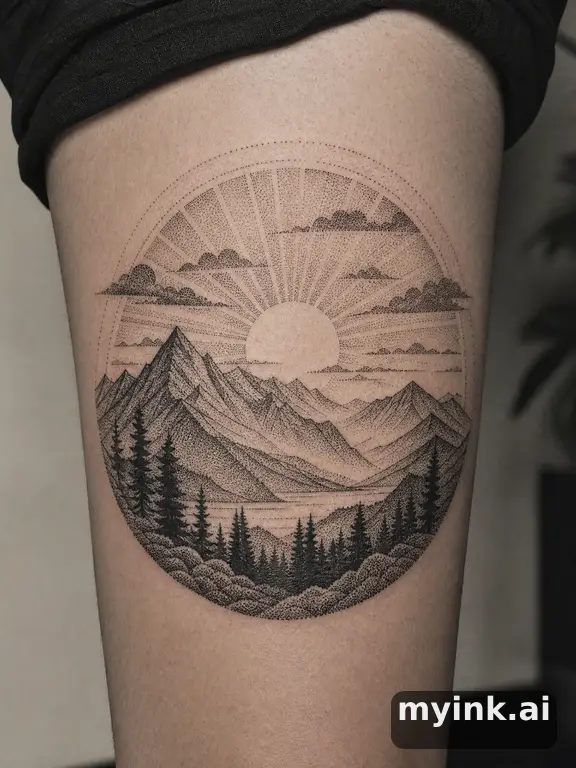
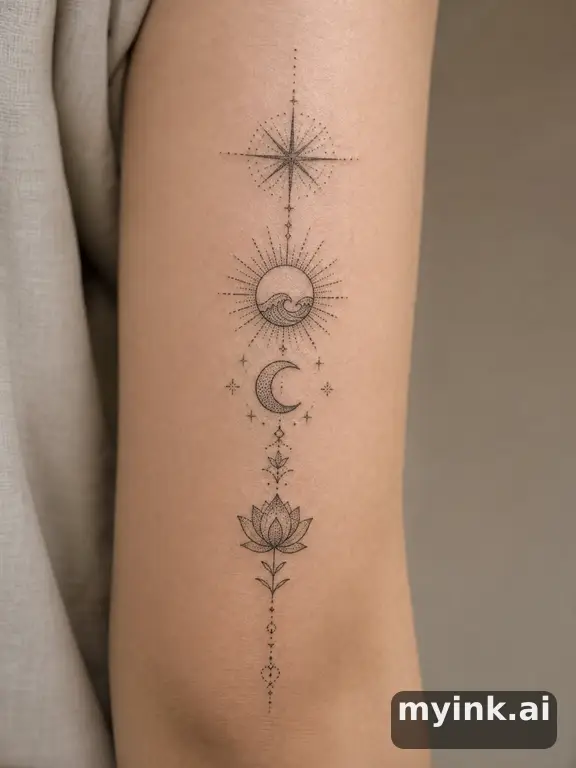
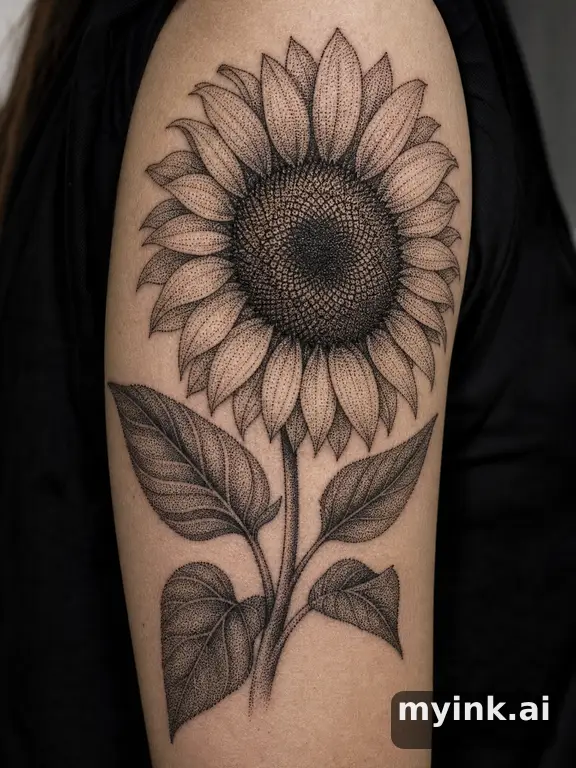
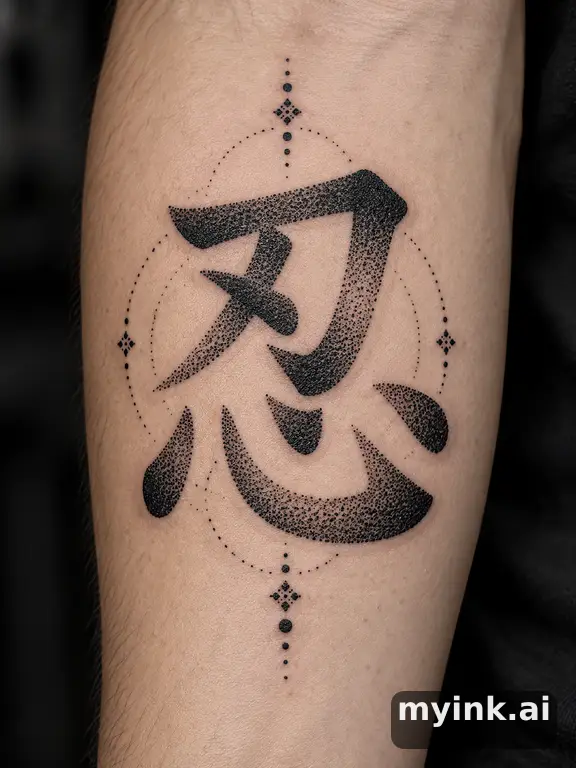
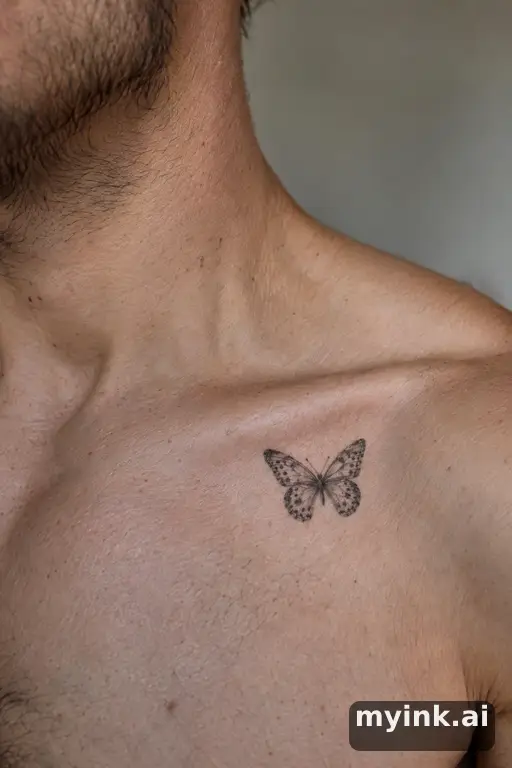
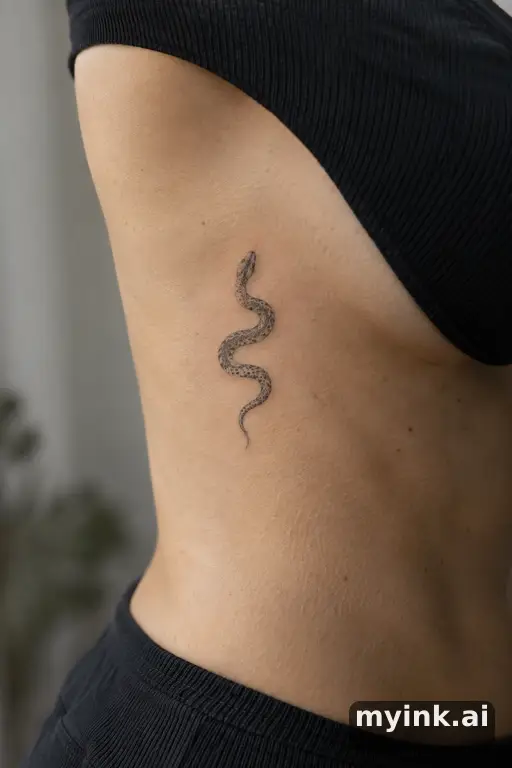
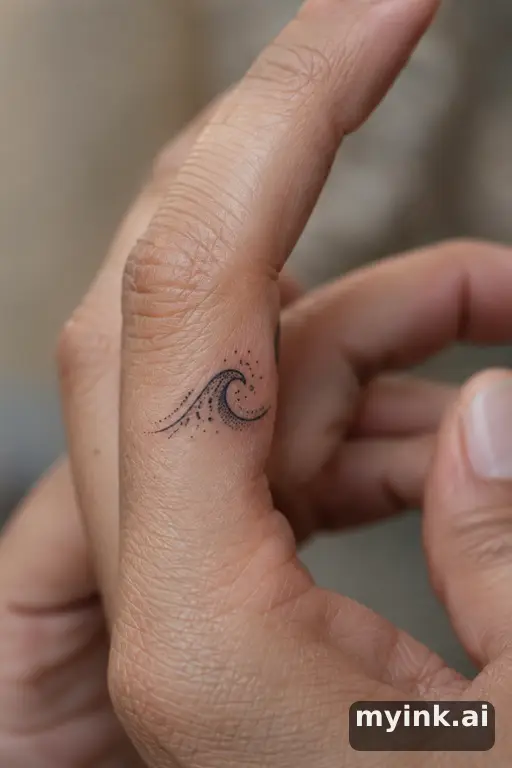
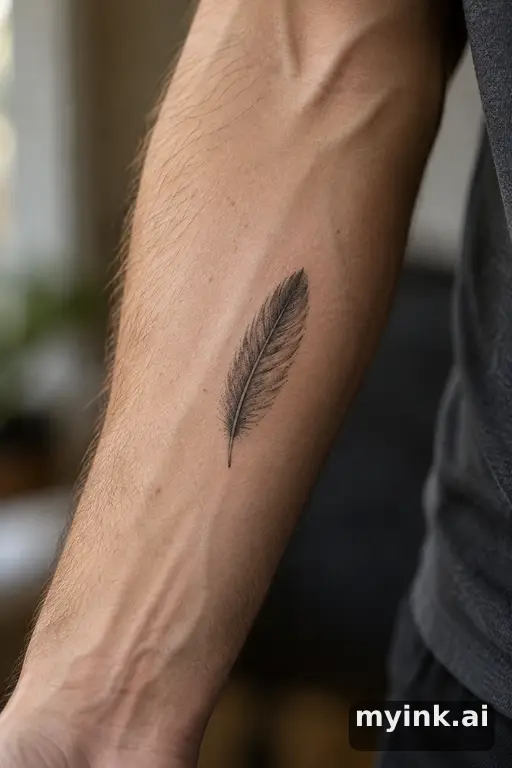
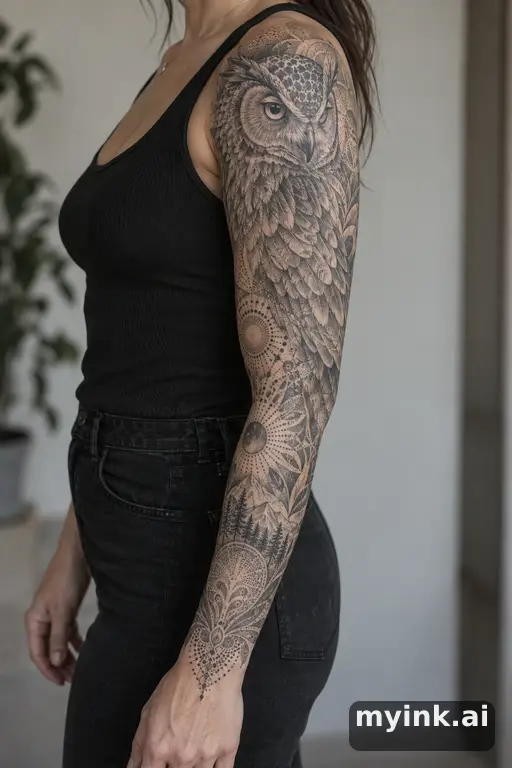
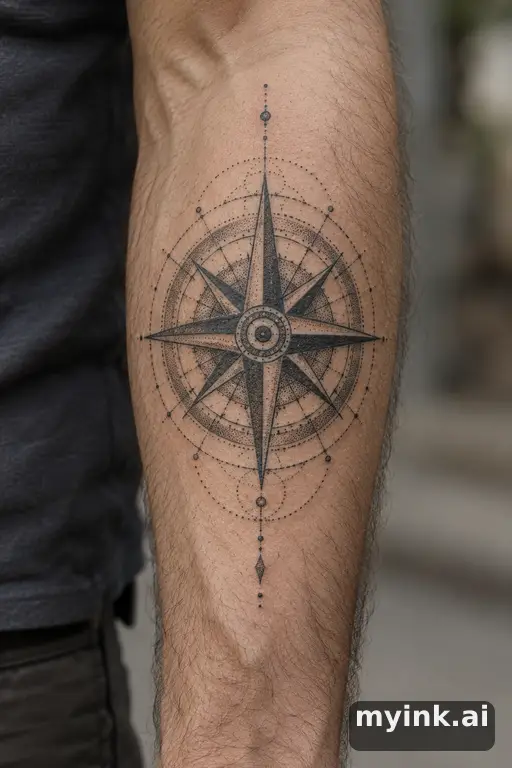
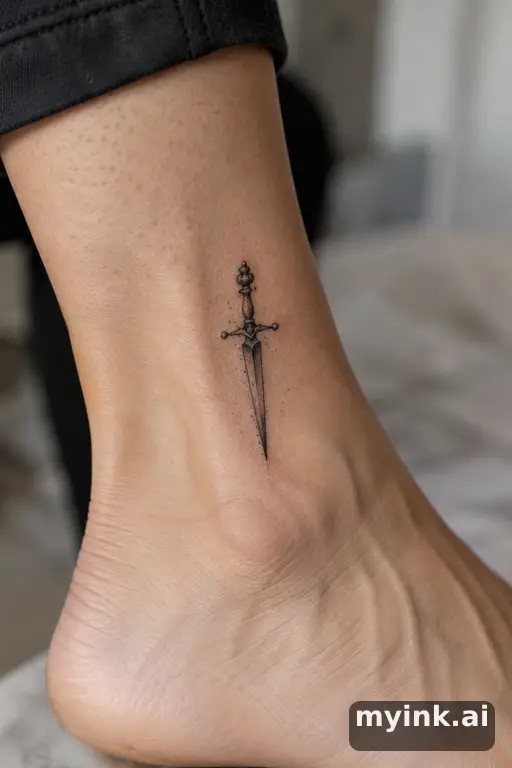
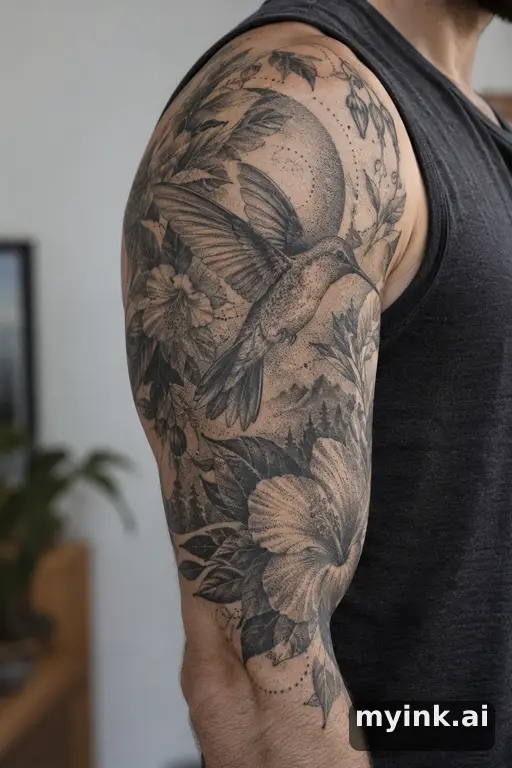
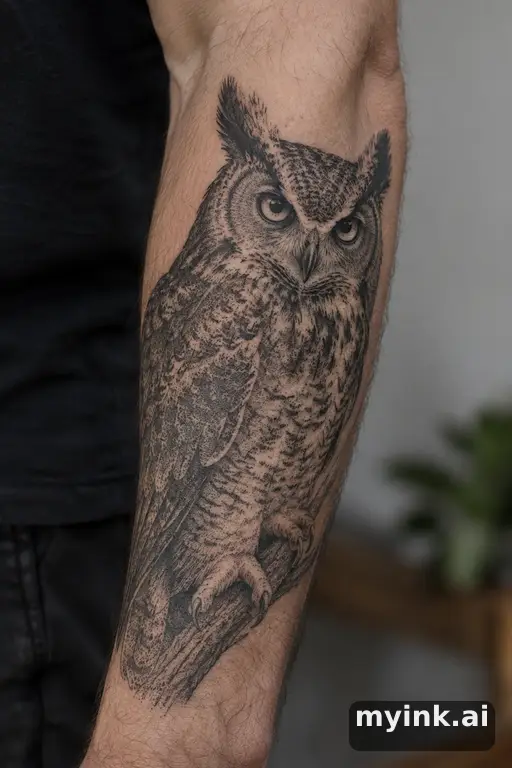
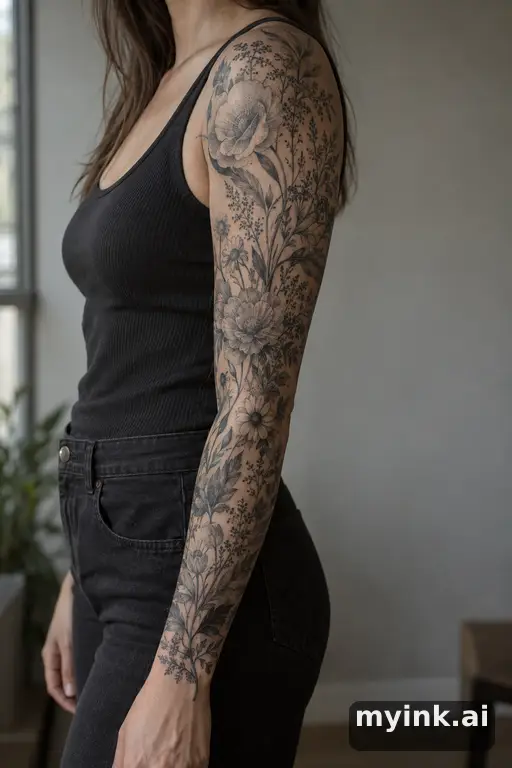
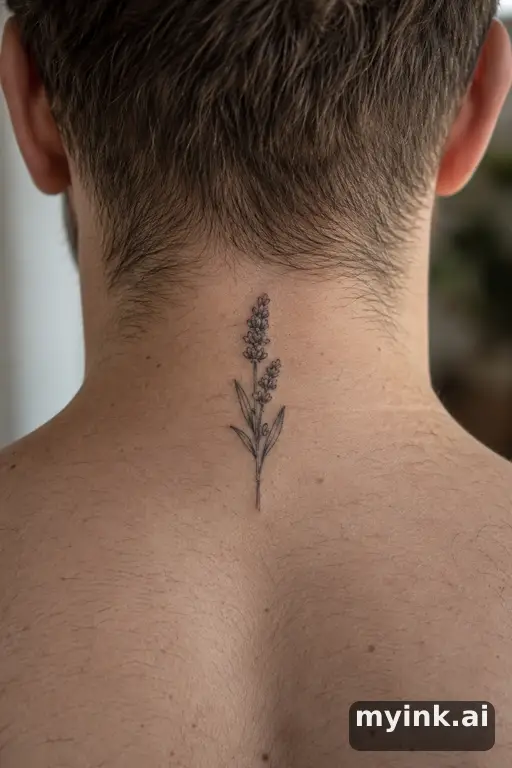
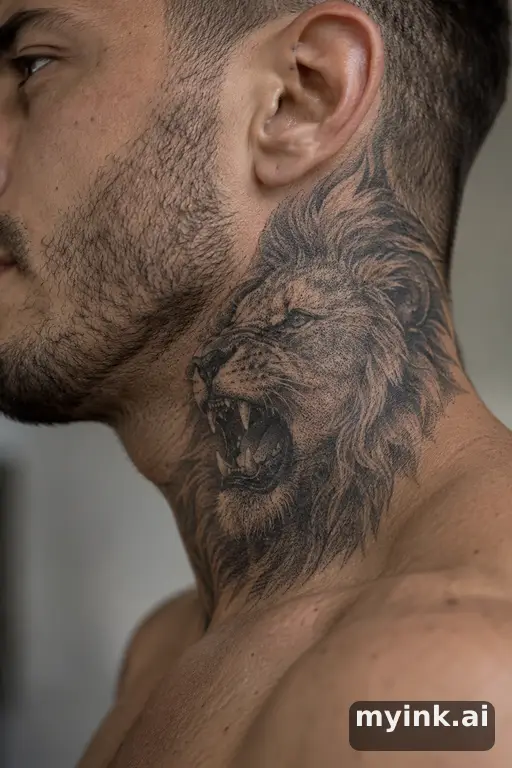
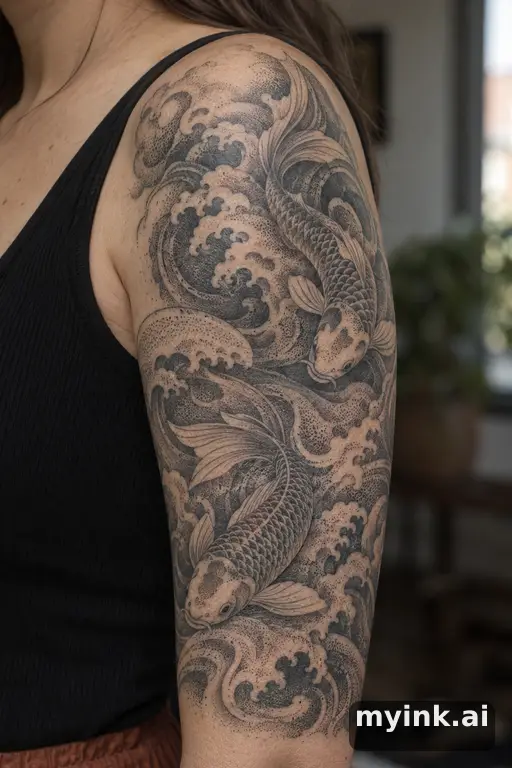
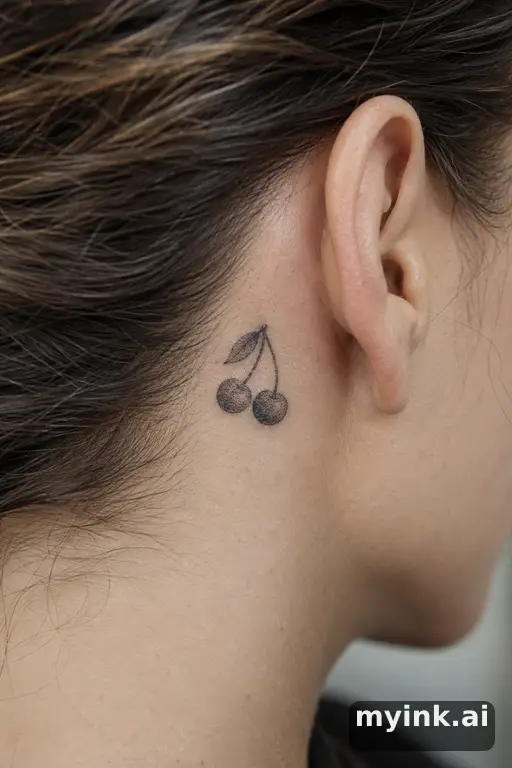
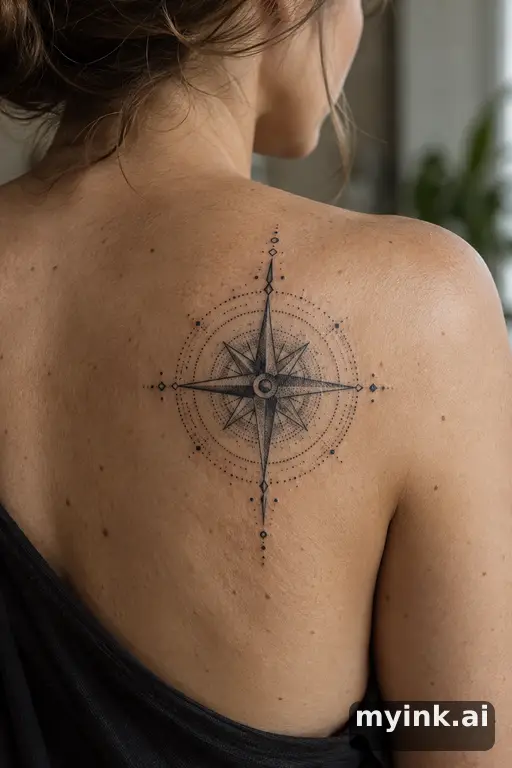
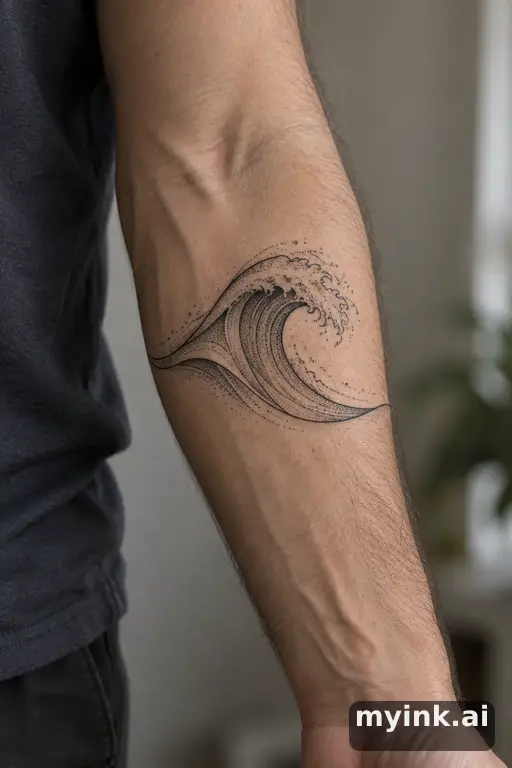
Opening is free · 4 directions use 4 credits · try-on 1 credit
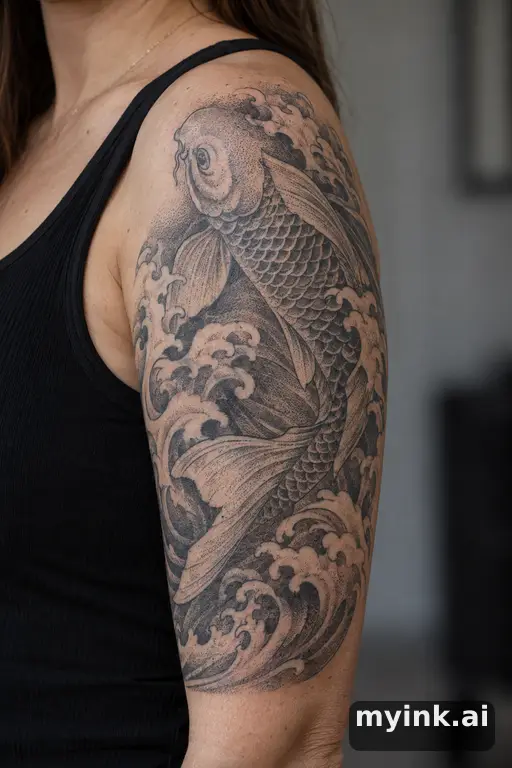
View all inspiration →Dotwork tattoo designs build form, texture, and shading entirely through thousands of precisely placed individual dots, creating an effect that references pointillist painting, copper engraving, and Buddhist sand mandalas simultaneously. Unlike conventional tattooing that uses line and fill passes, dotwork artists work dot by dot — density creates darkness, spacing creates lightness, and the transitions between are controlled entirely by dot placement rhythm. The result is a distinctive visual texture that reads differently from every distance: up close, the individual points are visible; from arm's length, they merge into smooth tonal gradations. Dotwork excels at geometric mandalas, botanical illustrations, animal portraits with textural fur or feather detail, and sacred geometry compositions. The technique demands extraordinary patience from both artist and client — a medium-sized dotwork mandala may involve hundreds of thousands of dots over multiple hours. It is also well suited to fine-line geometric work where dots replace continuous lines. Explore dotwork compositions with the MyInk AI generator before committing to the slow, meditative tattooing process.
Dotwork forearm tattoos
5 of the 24 designs in this gallery are placed on the forearm; subjects include compass, feather and owl.
Browse Forearm Tattoo Ideas →Generate a Dotwork Tattoo
Open the studio with Dotwork pre-selected, describe what it means to you, and generate a 4-image design set.
Open the studioHistory and Origins of Dotwork Tattooing
Dotwork tattooing draws from multiple art historical traditions and has deep roots in both Western printmaking and Eastern meditative practice.
Roots in Pointillist Painting and Engraving
The visual language of dotwork tattooing connects directly to pointillist painting (Seurat, Signac) and the stipple engraving tradition used in printing from the 17th century onward. Both techniques construct images from individual marks rather than continuous lines or fills. Tattoo artists with fine-art training recognized these parallels and began applying stipple technique to skin in the early 2000s.
Sacred Geometry and the Mandala Connection
Mandala-based geometric tattooing found dotwork to be a natural technical partner — the gradual, patient process of dot placement mirrors the meditative creation of Tibetan sand mandalas, and the resulting texture has a warmth and depth that flat fill or linework cannot replicate. Artists like Nissaco and Thomas Hooper became internationally known for geometric dotwork mandala compositions.
Hand-Poke Dotwork and the Machine Debate
Many dotwork artists prefer hand-poke technique — applying dots individually with a non-motorized handle — arguing it produces greater control and a softer aesthetic result than machine work. Machine dotwork is faster and more consistent at scale, making it the practical choice for large compositions. Both methods are represented among celebrated contemporary dotwork artists.
Contemporary Expansion of the Style
Contemporary dotwork has expanded beyond its mandala and geometric origins into portrait work, botanical illustration, animal studies, and abstract composition. The technique is now used alongside other styles — dotwork shading within geometric tattoos, stipple texture in illustrative work — as a complement rather than always a standalone aesthetic.
Key Characteristics and Popular Dotwork Designs
Dotwork's distinctive visual quality separates it from all other tattoo techniques. Understanding how it works helps you design effectively for this medium.
Gradient and Tonal Density Control
The central skill in dotwork tattooing is controlling tonal gradients through dot density — tight clusters create shadows, wider spacing creates highlights, and smooth transitions between densities create the illusion of three-dimensional form. A skilled dotwork artist can render the full tonal range from near-black to skin tone using only spacing variation in a single black ink.
Geometric Mandala Dotwork
Mandala compositions using dotwork shading are the style's signature achievement. The geometric precision of mandala construction combined with the organic texture of dot shading creates compositions that feel both engineered and handmade. Dotwork mandalas scale well from small shoulder or knee caps to large back centerpieces.
Botanical and Animal Dotwork Illustration
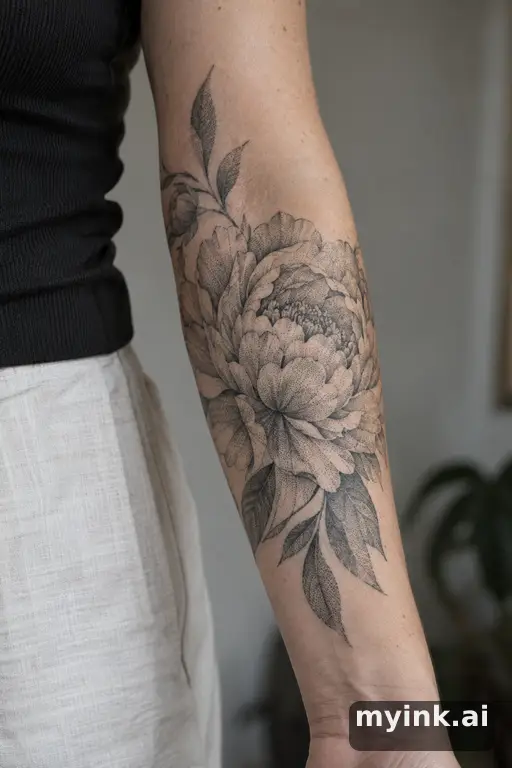
Flowers, insects, and animals rendered in pure dotwork take on a quality resembling antique scientific illustration or woodblock printing. The stipple texture suggests both the texture of petals, fur, and feathers and the age and authority of natural history museum prints. These subjects are among the most artistically demanding dotwork applications.
Geometric Linework with Dot Accents
Many artists combine crisp geometric linework with dotwork fill or shading inside shapes, creating compositions that benefit from both the precision of lines and the warmth of dot texture. This hybrid approach is particularly popular for geometric animal tattoos, where the structure is defined by lines but interior detail is built in dots.
Best Placements and Sizing for Dotwork Tattoos
Dotwork's patient, meditative creation process rewards careful placement planning — getting the canvas right makes an enormous difference in the final result.
Round Surfaces: Shoulder, Knee, and Elbow
Circular mandala dotwork compositions suit the naturally round surfaces of the shoulder cap, knee, and elbow. These placements create a three-dimensional effect as the circular design wraps around a rounded form. The shoulder cap is the most popular mandala placement because it presents consistently regardless of arm position and heals reliably on its relatively non-mobile surface.
Upper Back for Large Mandala Centerpieces
A large dotwork mandala as an upper back centerpiece is one of the most requested and impactful dotwork compositions. The flat, wide surface allows full circular development of the design and provides enough space for detailed dot shading that defines the mandala's dimensionality. Healing a large back piece requires careful attention to aftercare.
Forearm and Sleeve Integration
Dotwork shading integrates naturally into geometric sleeve compositions, providing texture and tonal variation between graphic line sections. A sleeve combining geometric linework, dotwork-shaded sections, and negative space can be built modularly over multiple sessions as the overall composition evolves. The forearm section typically reads best in terms of visibility and legibility.
Small Dotwork Pieces for Subtle Placement
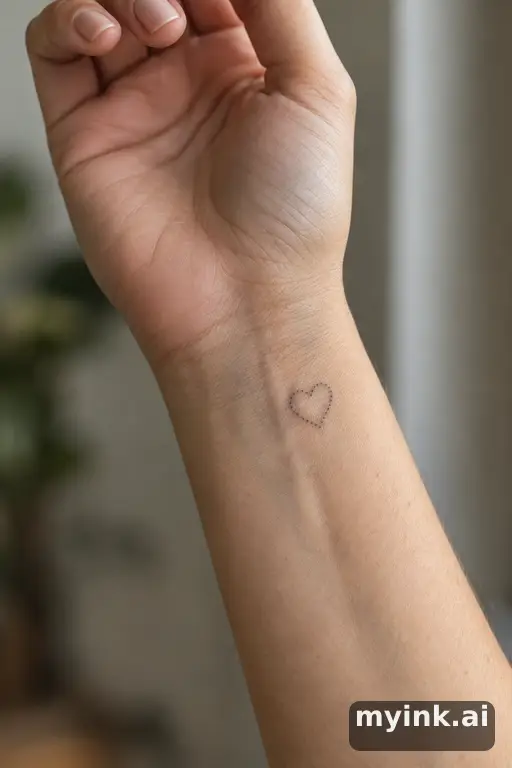
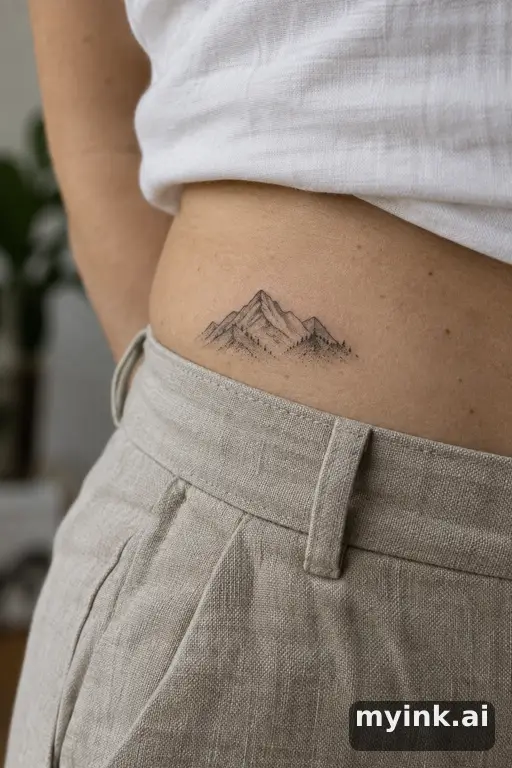
Dotwork scales down well to small formats — a tiny dotwork moth, flower, or geometric symbol on the wrist or behind the ear can be exquisitely detailed at a few centimeters. Small dotwork pieces require an artist with excellent control at fine scales, as dots that are too large or uneven are more apparent in a small composition with limited elements to draw attention.
Explore Other Styles
Related Tattoo Ideas
Flower Tattoo Designs
See botanical flower designs rendered in dotwork's distinctive stipple technique.
Butterfly Tattoo Designs
Explore butterfly tattoos with dotwork shading and mandala-inspired wing patterns.
Simple Tattoo Designs
Discover simple dotwork symbols and geometric shapes for minimalist dotwork pieces.
Trusted Resources
Tattoo Safety — American Academy of Dermatology
Medical guidance on safe tattooing studio selection, ink safety considerations, and proper aftercare for new tattoos.
How Tattoos Work — Healthline
Science-based explanation of the tattooing process including how ink is deposited in skin, relevant to understanding how dotwork ink placement creates lasting images.
Alliance of Professional Tattooists
Professional tattooing organization with safety standards, studio hygiene guidance, and an artist directory for finding qualified practitioners.
Frequently Asked Questions
How long does a dotwork tattoo take compared to line-and-fill work?
Do dotwork tattoos fade or blur over time?
Is hand-poke dotwork better than machine dotwork?
Can dotwork cover up old tattoos effectively?
What are the best subjects for dotwork tattoos?
Ready to Design Your Dotwork Tattoo?
Preview on skin
Try this on your skin
Upload a photo and see the design placed on your own body before anything is permanent.
Try it on · 1 credit →
Free advisor
Create your own design
Describe one idea and the advisor shapes it into 4 genuinely different directions.
Open the studio — free to start →
The advisor is free. A round of 4 directions costs 4 credits — See plans — 8 free credits to start