Traditional Tattoo Designs — Bold Lines, Timeless Icons
Recent Traditional inspiration
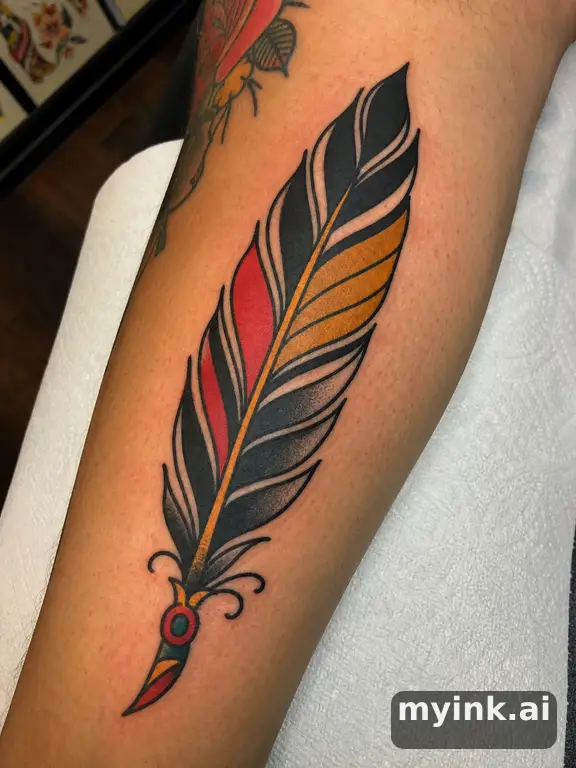
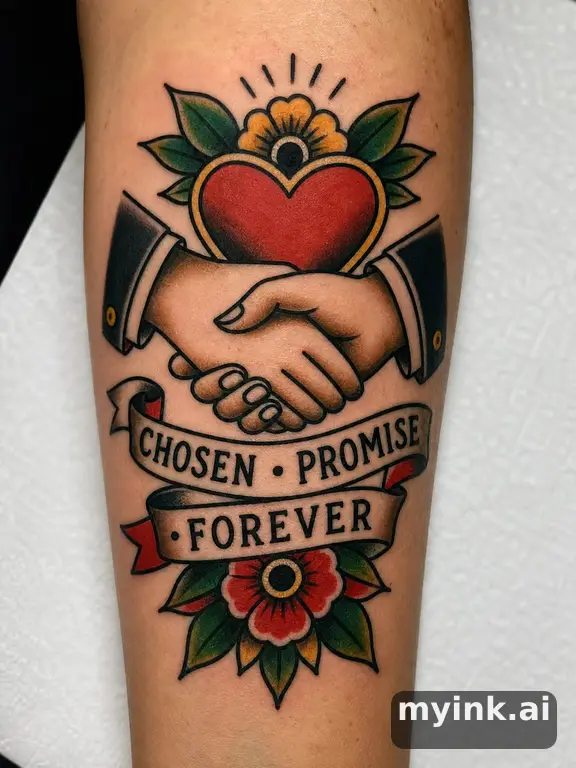
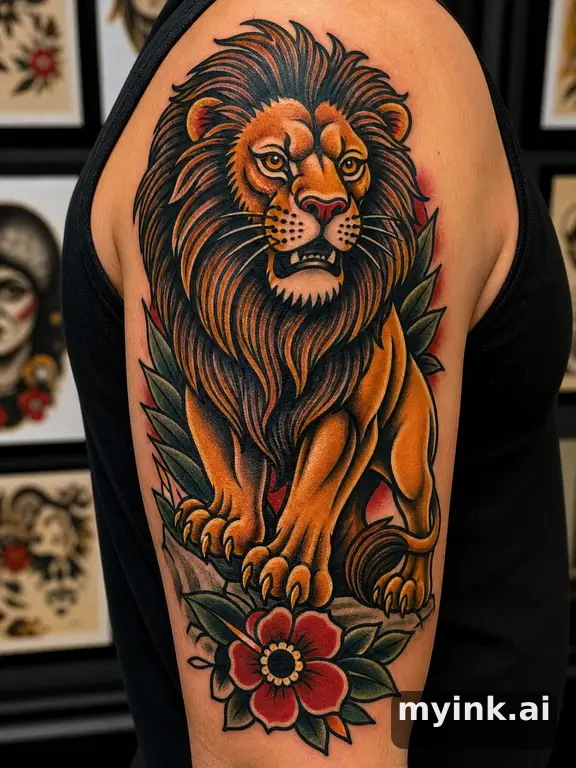
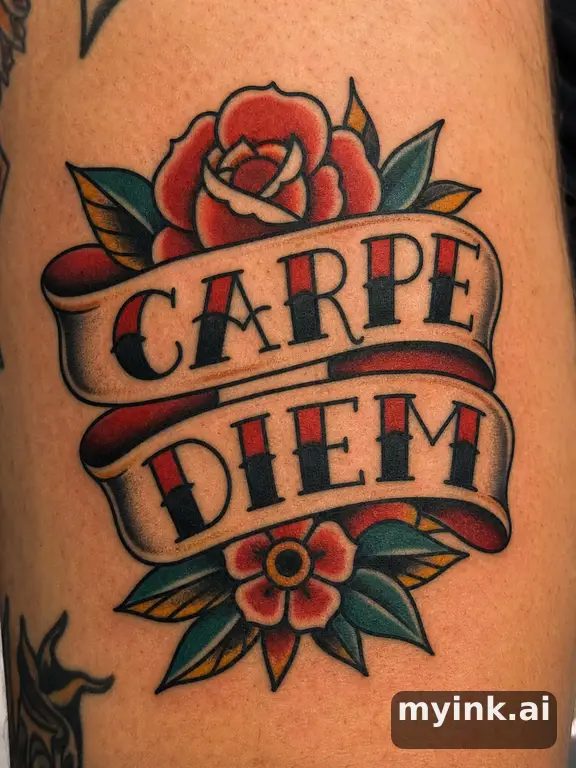
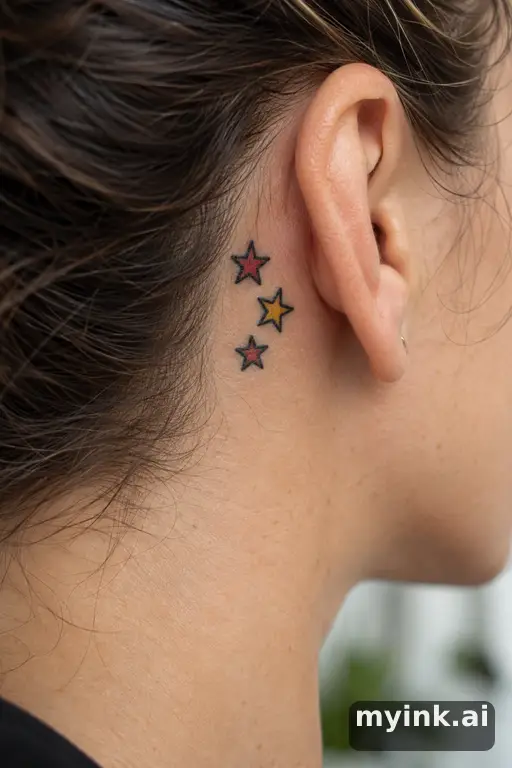
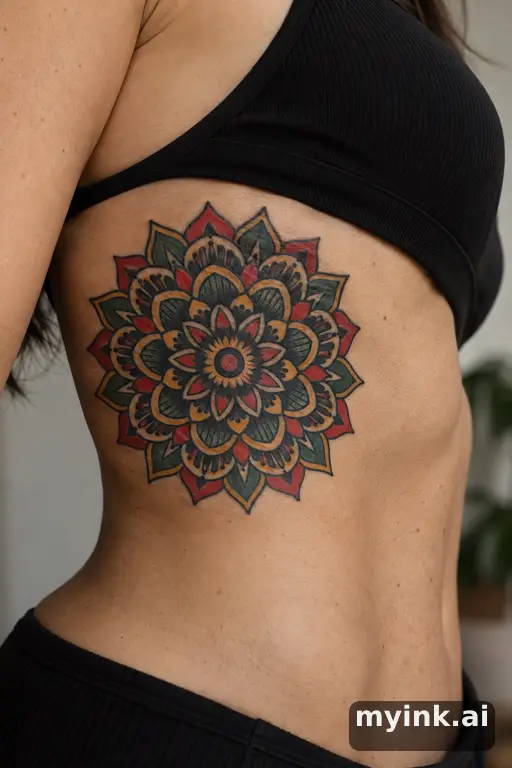
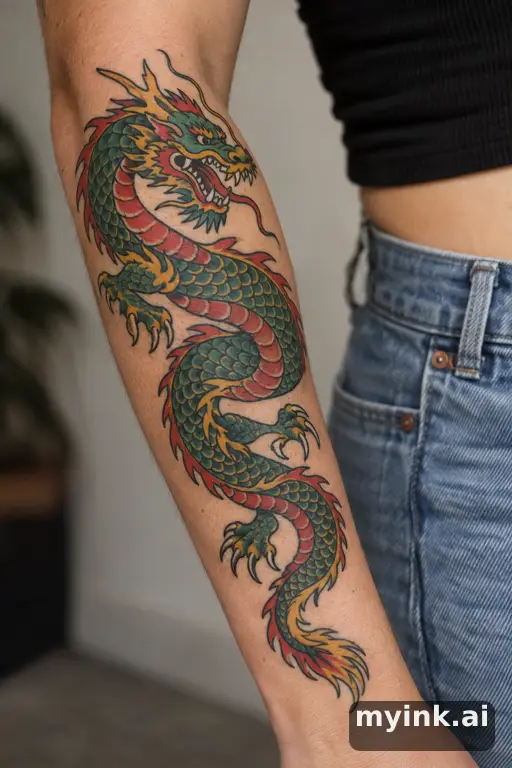
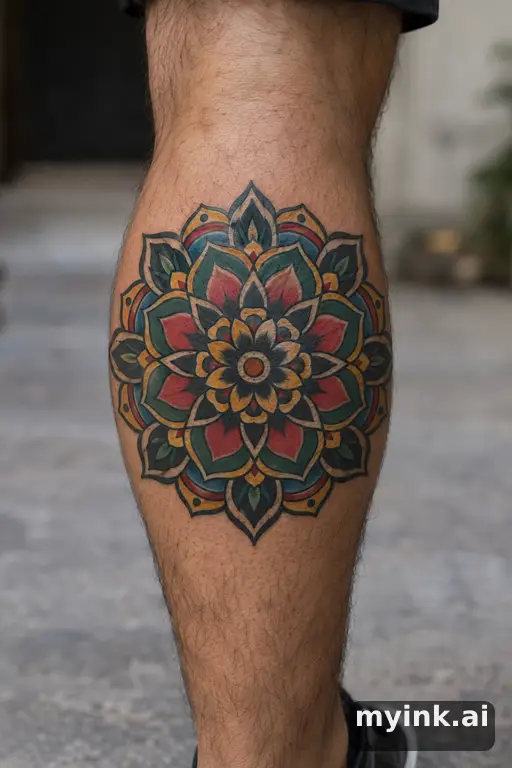
AIAI-generated inspiration, not customer tattoos · open any design for a closer look
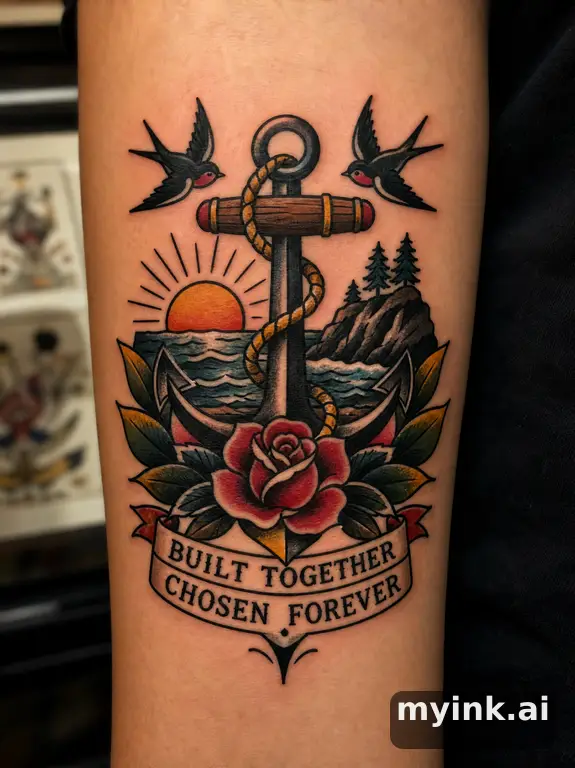
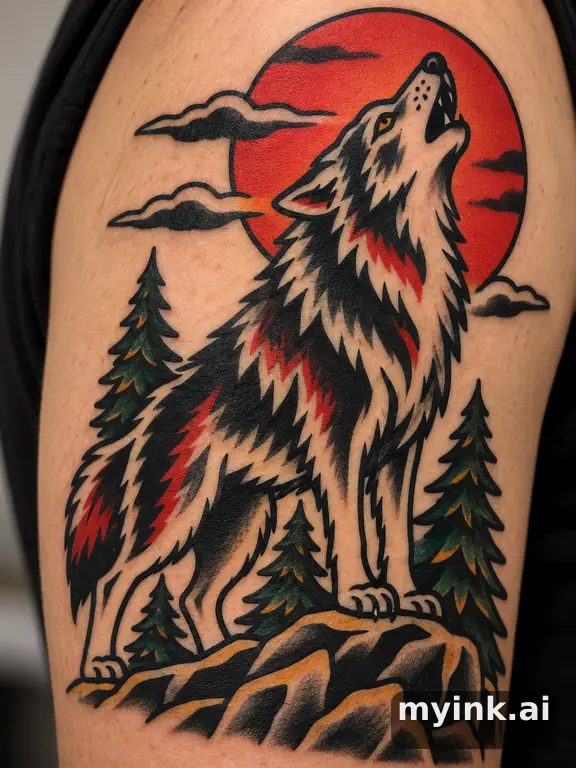
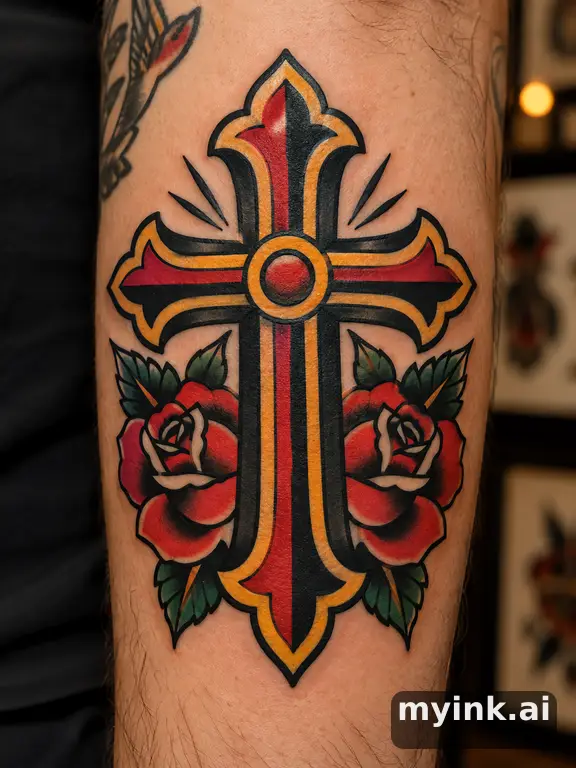
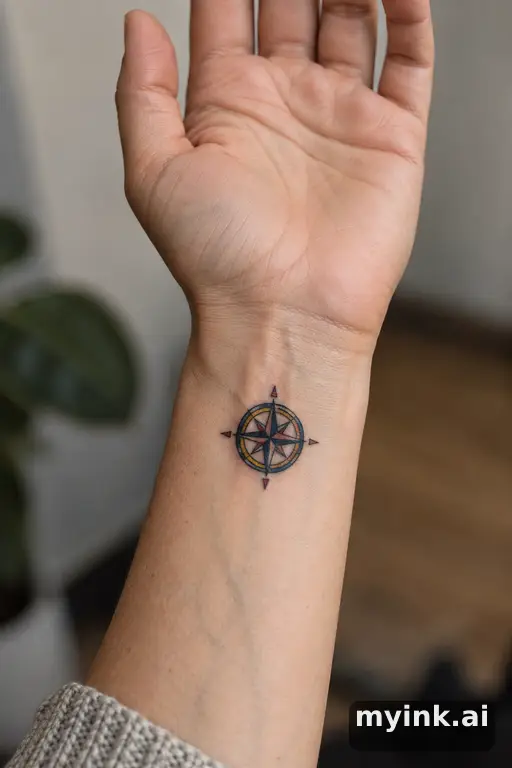
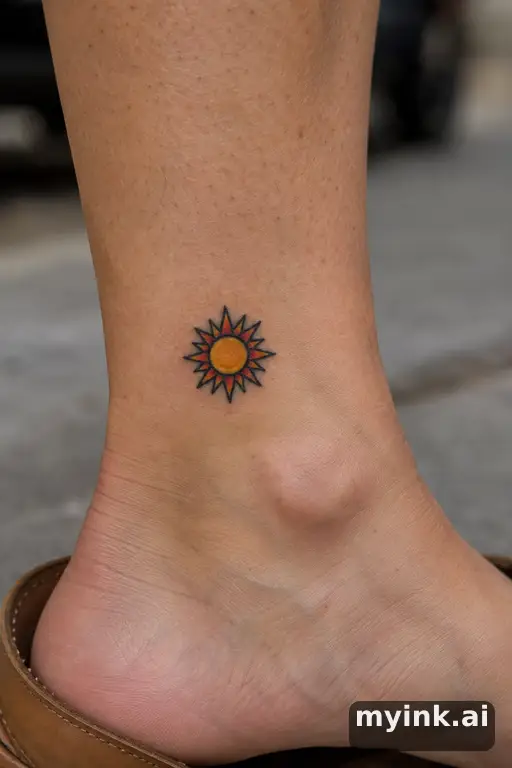
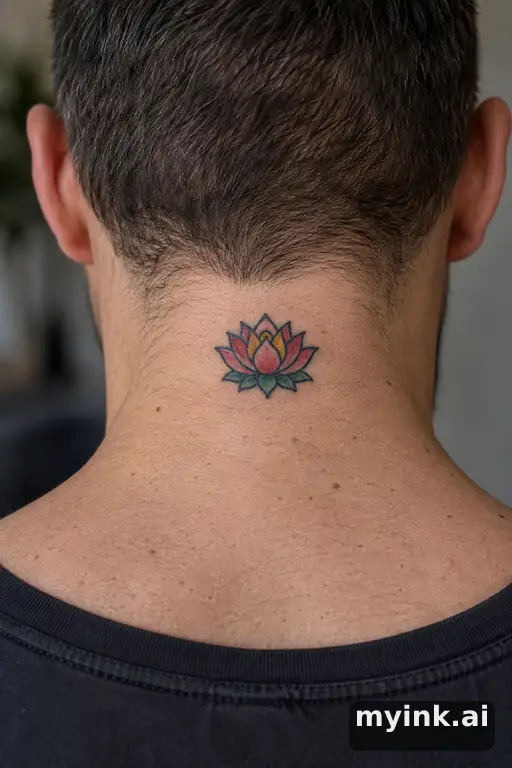
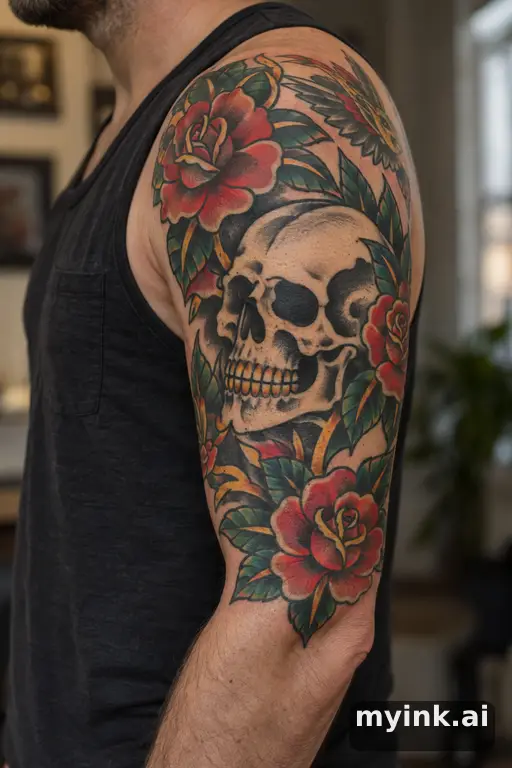
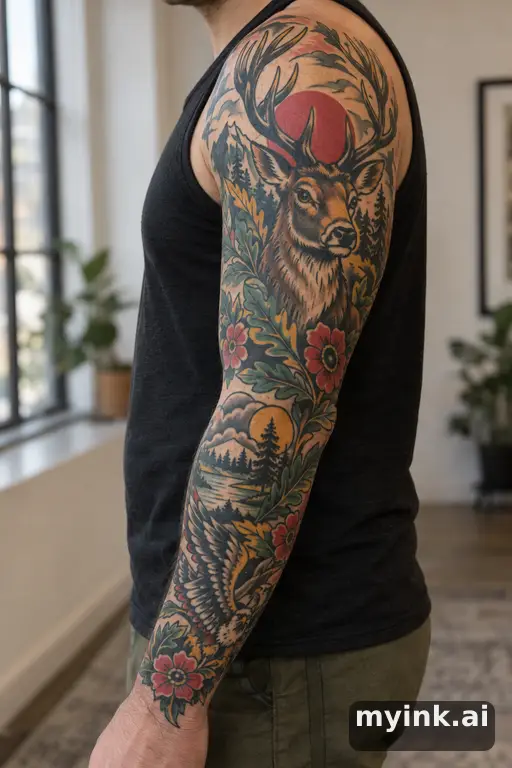
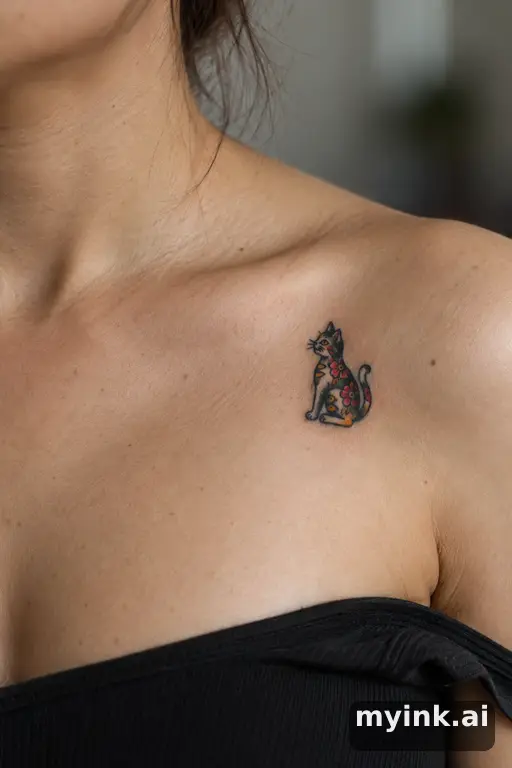
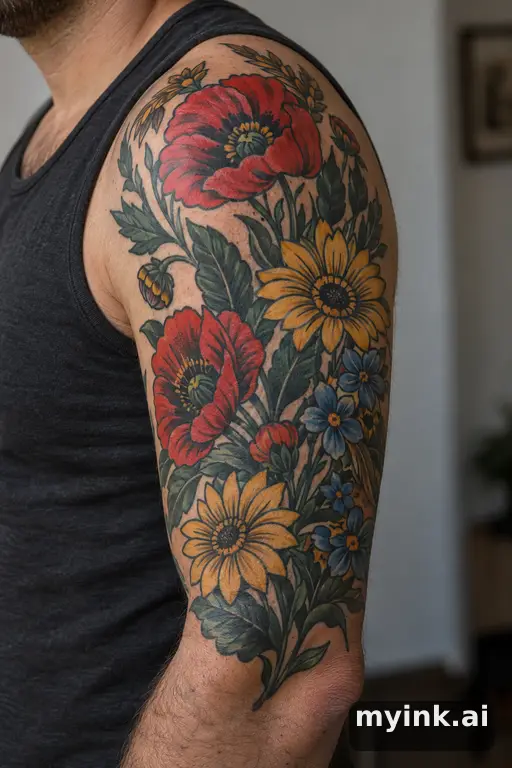
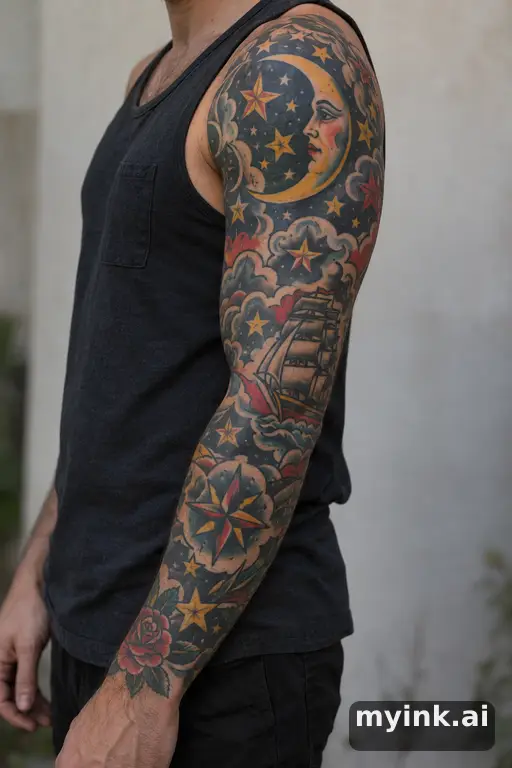
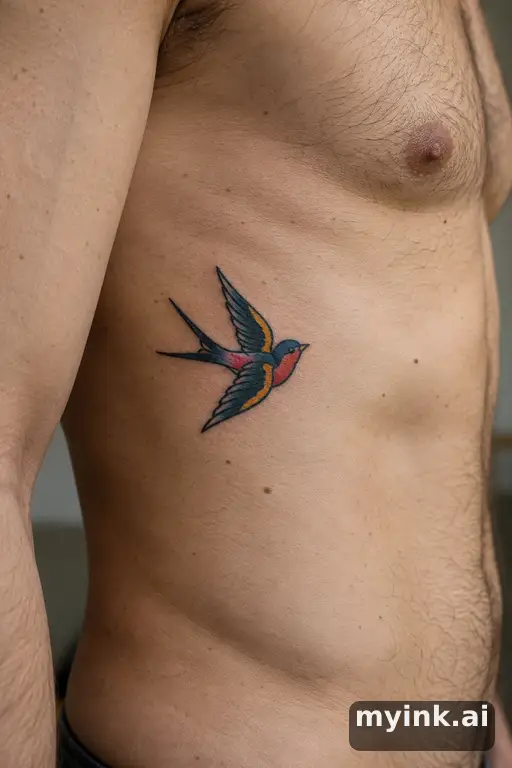
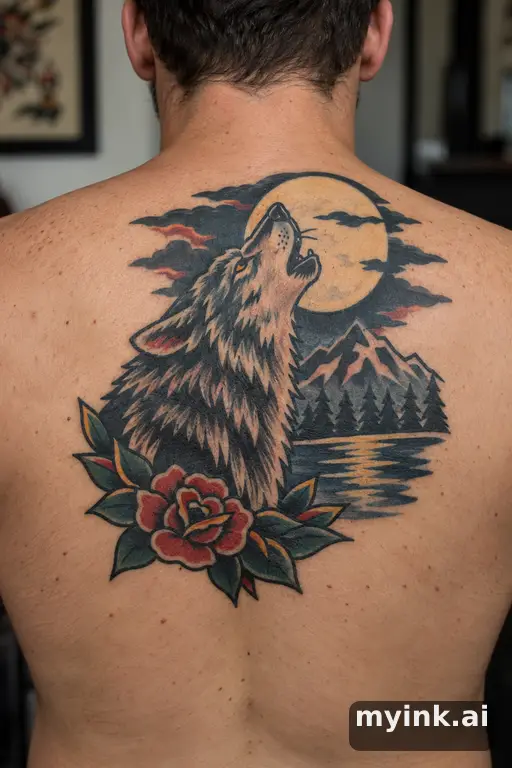
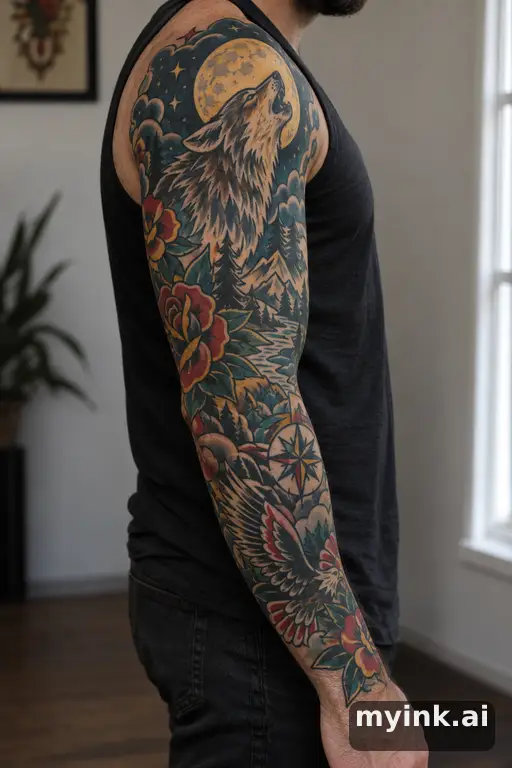
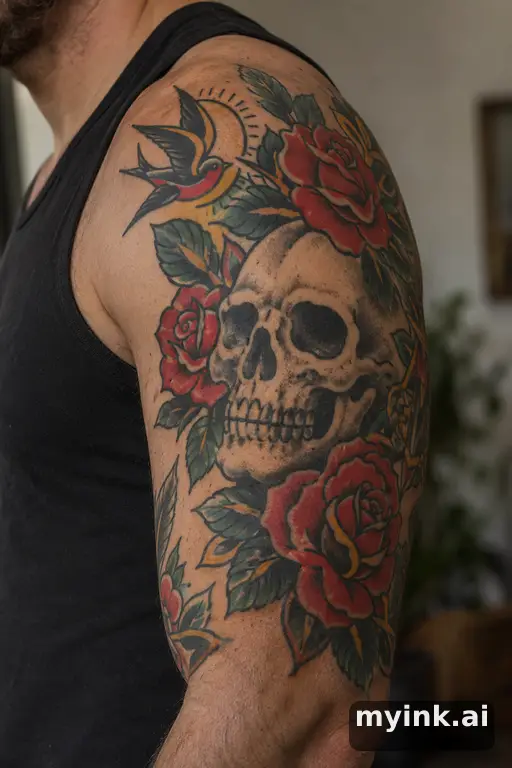
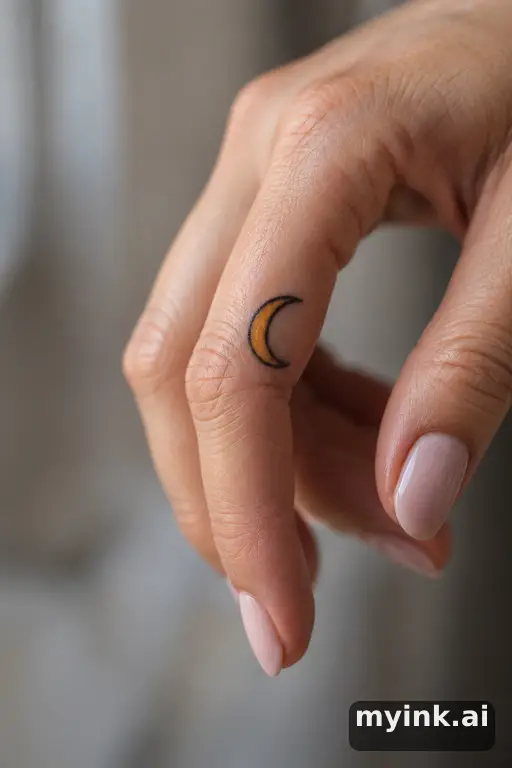
Opening is free · 4 directions use 4 credits · try-on 1 credit
View all inspiration →Traditional tattoo designs — also called American Traditional or Old School — represent the foundation upon which all modern Western tattooing is built. Defined by thick black outlines, a bold limited palette (red, yellow, green, black, and occasionally blue), flat color fills, and iconic subjects like anchors, eagles, roses, daggers, and swallows, the style has remained immediately recognizable for over a century. Its visual vocabulary was codified in the early twentieth century by artists like Norman Collins, better known as Sailor Jerry, who combined American folk motifs with influences from Japanese woodblock printing. Traditional tattoos are celebrated not just for their aesthetic but for their extraordinary longevity — the bold lines and dense ink that resist fading far better than delicate modern styles. Whether worn by maritime workers as good-luck charms or by contemporary collectors as artistic statements, traditional tattoo designs carry a proud lineage. Use the MyInk AI generator to preview classic motifs remixed for your vision.
Generate a Traditional Tattoo
Open the studio with Traditional pre-selected, describe what it means to you, and generate a 4-image design set.
Open the studioHistory and Origins of American Traditional Tattooing
American Traditional tattooing evolved from maritime culture, carnival flash, and early studio practice into one of the world's most enduring visual art forms.
Maritime Roots and Sailor Culture
Tattooing entered mainstream American life largely through sailors returning from Pacific voyages in the 19th century who had encountered Polynesian tattooing traditions. Sailors adopted specific motifs tied to maritime superstition — swallows for miles sailed, anchors for stability, ships for completed voyages. These symbols formed the core vocabulary of American Traditional tattooing.
Flash Sheets and the Studio System
Early tattoo studios displayed 'flash' — pre-drawn sheets of ready-to-tattoo designs — to help clients choose quickly and allow artists to work efficiently. These sheets standardized imagery, color relationships, and design scales across the industry. Collecting and trading flash became a professional practice, creating a shared visual language between studios nationwide.
Norman Collins and Sailor Jerry's Influence
Norman Collins, known as Sailor Jerry, worked in Honolulu from the 1930s until his death in 1973 and elevated American Traditional tattooing through his study of Japanese technique. He introduced more sophisticated shading, dynamic compositions, and Japanese-inspired elements into flash, producing work that influenced virtually every subsequent generation of American tattooers.
The Traditional Revival Movement
After a period in the 1980s and 1990s when custom tattoo work overshadowed traditional flash, a significant revival began in the 2000s led by artists who recognized the style's graphic power and durability. Contemporary traditional artists like Bert Krak, Kate Hellenbrand, and Oliver Peck helped cement traditional tattooing's status as a serious artistic discipline rather than a historical relic.
Key Characteristics and Popular Traditional Designs
American Traditional tattooing follows strict visual rules that give the style its immediate recognizability and exceptional longevity.
Bold Outlines and Limited Palette
The defining technical characteristic of traditional tattooing is the thick, solid black outline that defines every shape. This outline locks in color and prevents the design from muddying as ink ages and spreads slightly in skin. The palette is deliberately limited — red, yellow, green, black, and occasionally cobalt blue — because these pigments were historically the most stable and most available.
Iconic Motifs: Eagles, Roses, and Daggers
Traditional tattoo iconography is instantly recognizable: bald eagles representing American patriotism, roses symbolizing love and beauty, daggers representing courage or betrayal, horseshoes for luck, and pin-up figures from military nostalgia culture. These motifs are deliberately simple and flat, designed to read clearly from a distance and age predictably.
Banners and Script Integration
Scrolled banners containing names, dates, or short phrases are a traditional tattooing convention that elegantly integrates text with imagery. A rose with a 'Mom' banner, an eagle holding a banner reading 'Death Before Dishonor' — these compositions balance image and text in ways that feel instantly classic and cohesive rather than afterthought additions.
Animals and Nature in Traditional Style
Wolves, panthers, snakes, and owls rendered in traditional style are perennially popular. The flat, graphic interpretation of these animals — bold outlines, suggested musculature, characteristic poses — transforms complex real-world subjects into timeless graphic symbols. A traditional panther is as recognizable as a corporate logo but carries far more personal meaning.
Best Placements and Sizing for Traditional Tattoos
Traditional tattooing was designed around specific body placements developed through decades of studio practice, and these conventions exist for good aesthetic and practical reasons.
Upper Arm and Bicep Panels
The upper arm and bicep offer the classic traditional tattoo canvas. A medium-format eagle, rose, or panther head fits naturally on the bicep's rounded surface, and the upper arm provides enough space for a bold composition without requiring full-sleeve commitment. This placement heals reliably and is easily covered with short sleeves.
Chest Plates and Heart Placement
The chest, particularly near the heart, has been a traditional placement for sentimental or patriotic motifs since the style's earliest days. A traditional heart, crossed anchors, or eagle chest plate is a classic configuration. The sternum area hurts significantly, but the flat surface rewards detailed traditional compositions.
Traditional Sleeve Compositions
Traditional sleeves arrange multiple stand-alone motifs connected by background elements like red roses, leaves, or banner ribbons. Unlike Japanese sleeves with single flowing compositions, traditional sleeves read as curated collections of individual pieces unified by consistent style. This modular approach allows a sleeve to grow organically over time.
Thigh and Calf Panels
The thigh's large flat surface handles traditional compositions up to A4 size with ease. A traditional Japanese-influence piece — a panther climbing through roses, or an eagle gripping a banner — reads beautifully on the thigh. The outer calf is similarly forgiving and provides a natural frame for vertical compositions like daggers or anchors.
Explore Other Styles
Related Tattoo Ideas
Trusted Resources
American Traditional Tattooing — Wikipedia
Historical overview of American Traditional tattooing, key artists, and the cultural contexts that shaped the style's development.
Tattoo Safety — American Academy of Dermatology
Evidence-based guidance on finding a safe studio and caring properly for new tattoos regardless of style.
What to Know Before Getting a Tattoo — Healthline
Comprehensive health-focused guide to the tattooing process, covering pain, healing, risks, and artist selection.
Frequently Asked Questions
Why do traditional tattoos age better than other styles?
What is the difference between American Traditional and Neo-Traditional?
Are traditional tattoo designs considered cliche today?
How painful are traditional tattoos compared to other styles?
Can I modernize a traditional design while keeping its classic feel?
Ready to Design Your Traditional Tattoo?
Preview on skin
Try this on your skin
Upload a photo and see the design placed on your own body before anything is permanent.
Try it on · 1 credit →
Free advisor
Create your own design
Describe one idea and the advisor shapes it into 4 genuinely different directions.
Open the studio — free to start →
The advisor is free. A round of 4 directions costs 4 credits — See plans — 8 free credits to start