Blackwork Tattoo Style — Graphic, Ornamental & Bold
Recent Blackwork inspiration
AIAI-generated inspiration, not customer tattoos · open any design for a closer look
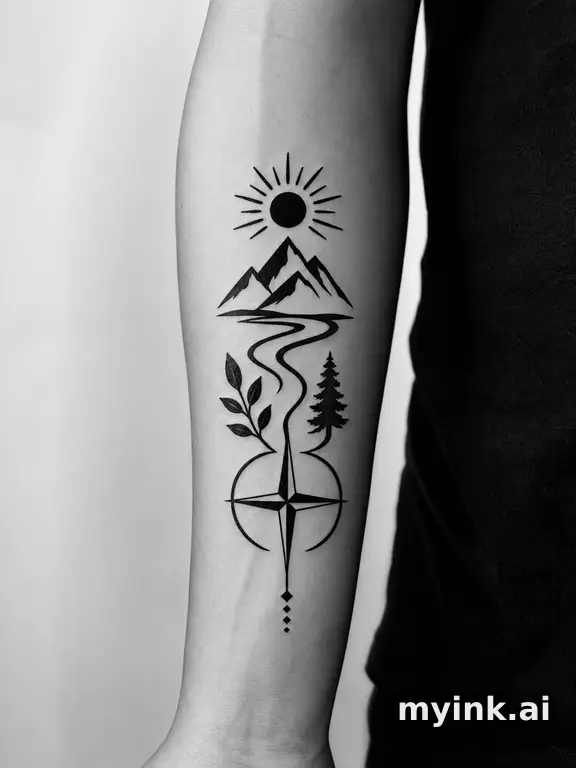
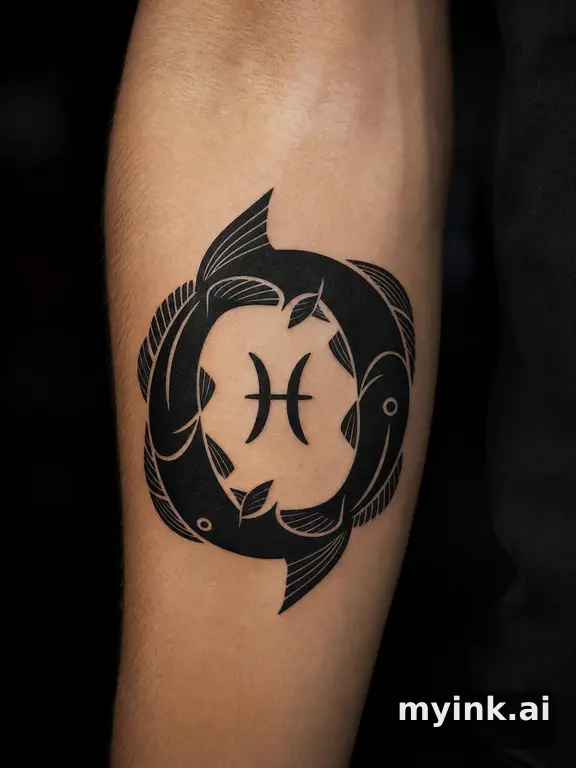
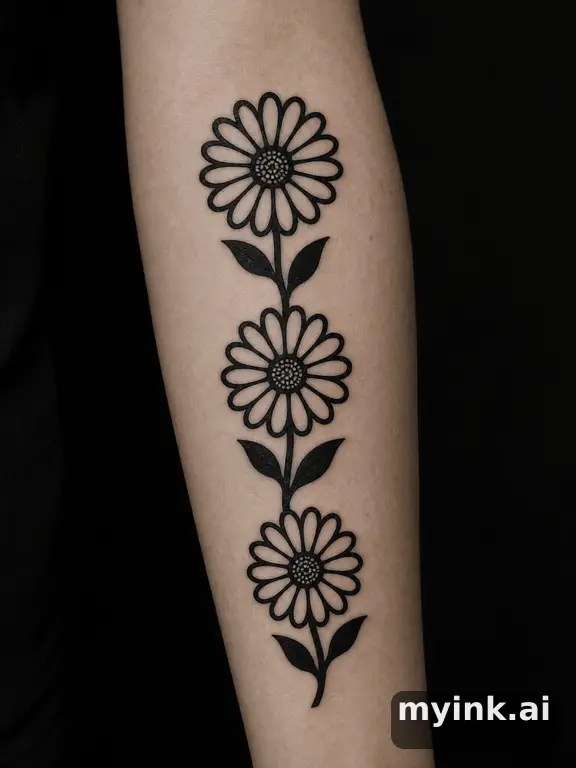
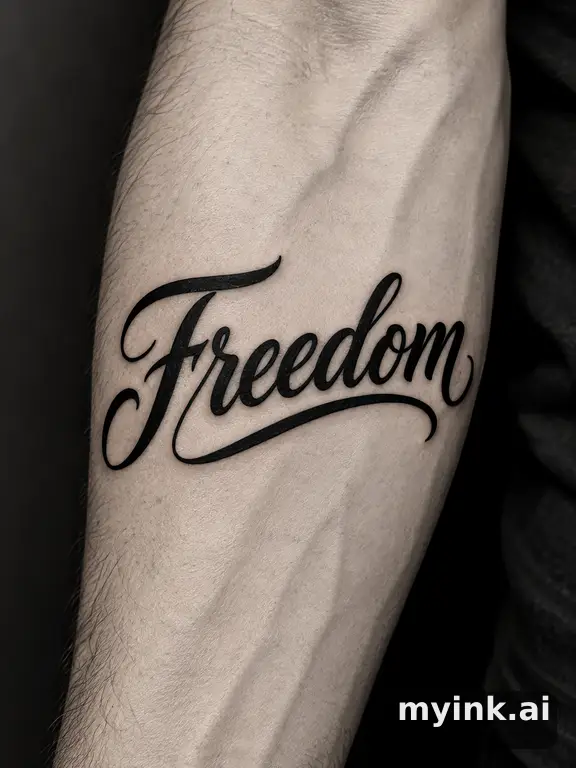
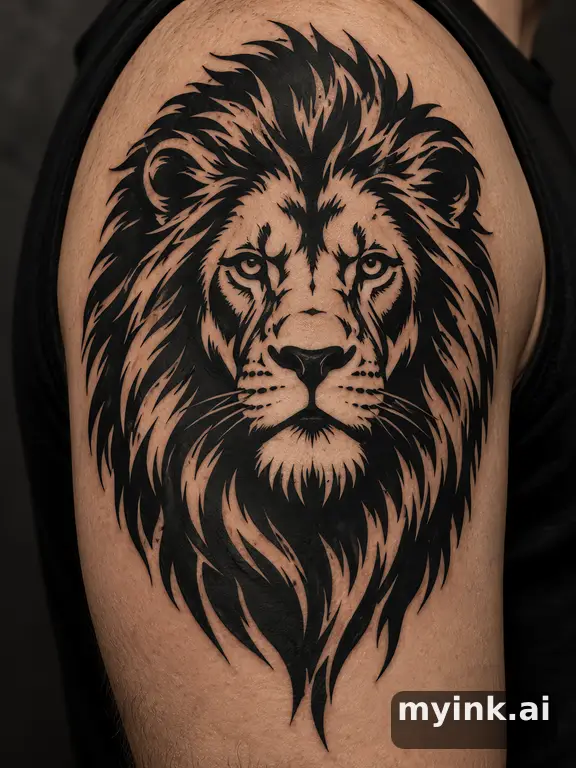
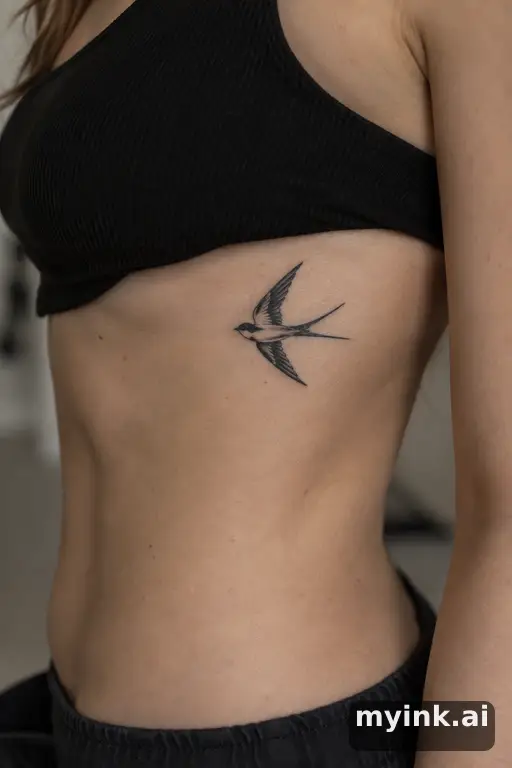
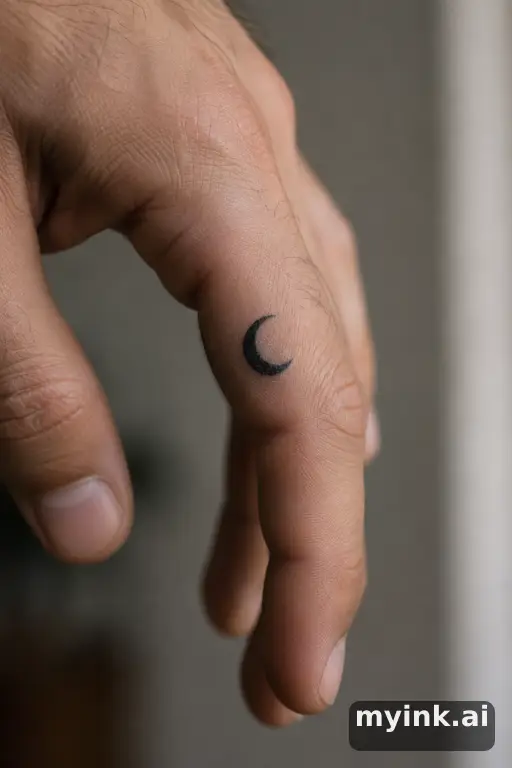
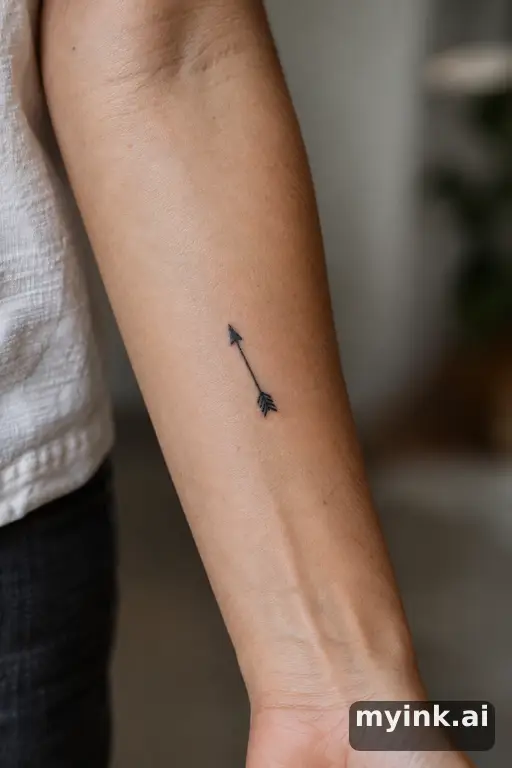
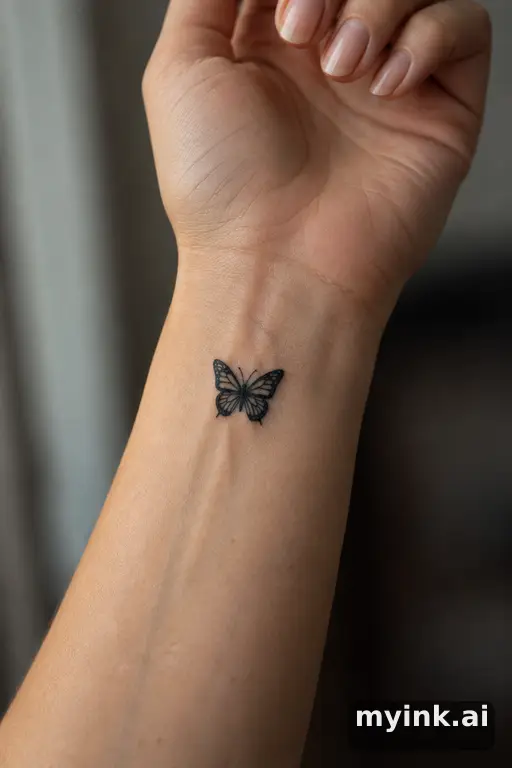
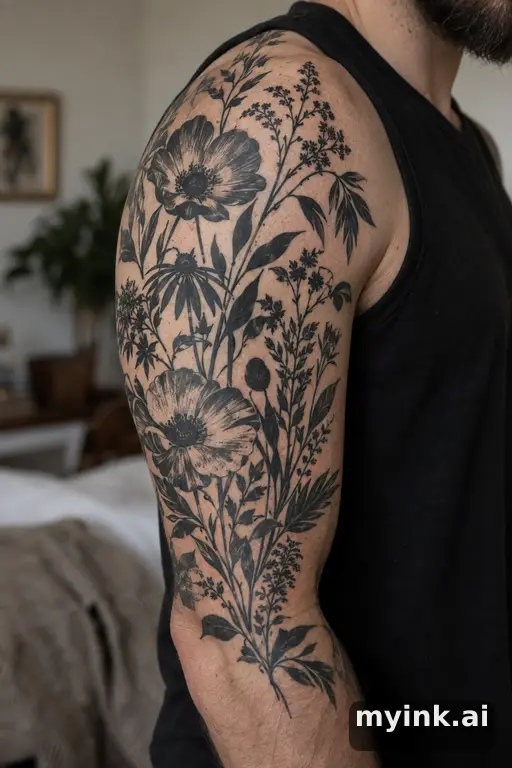
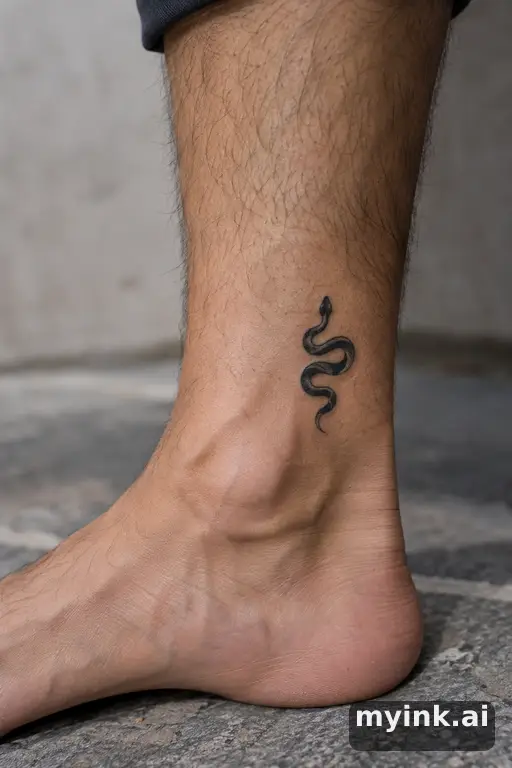
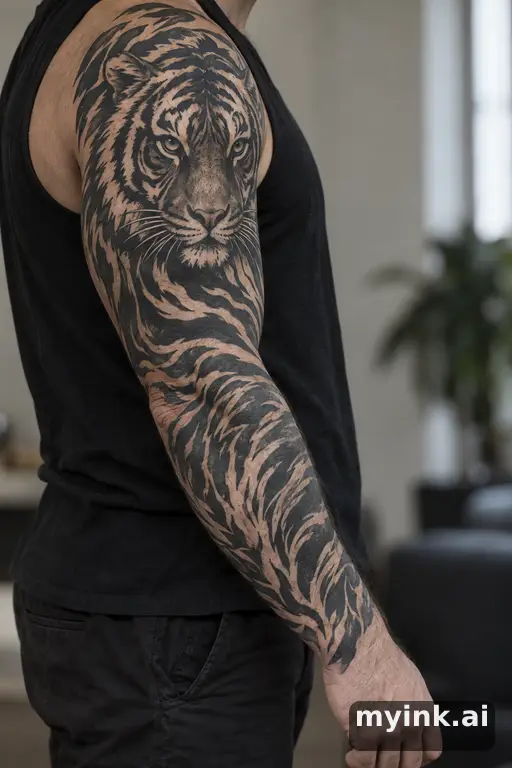
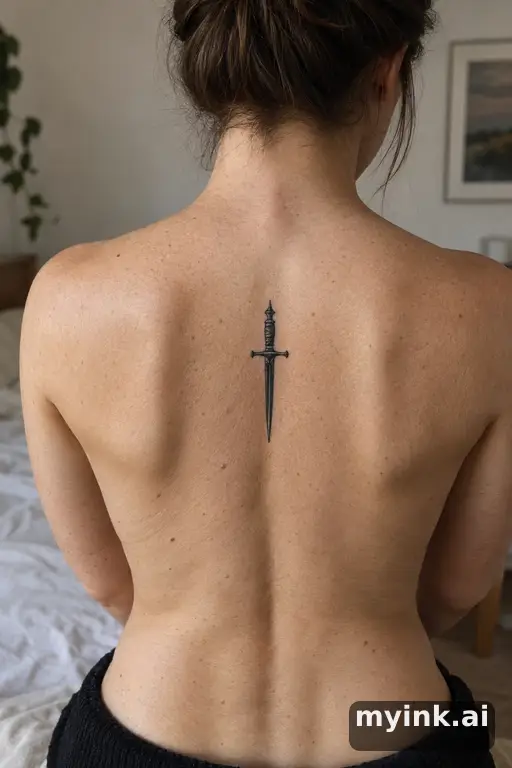
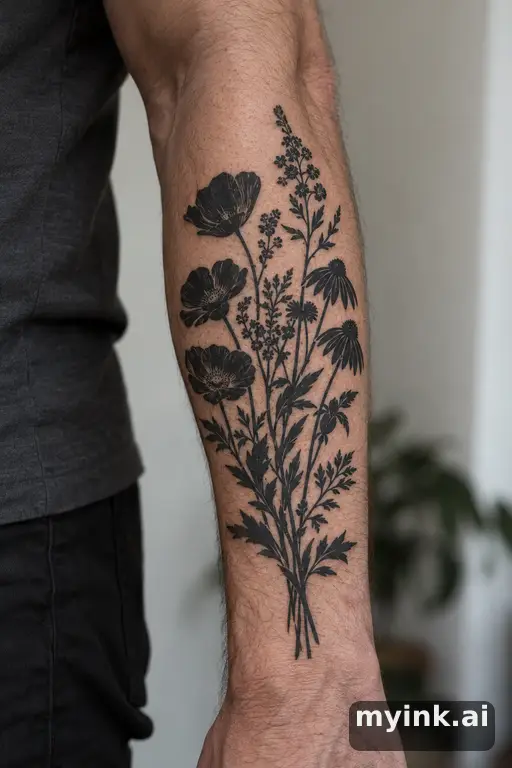
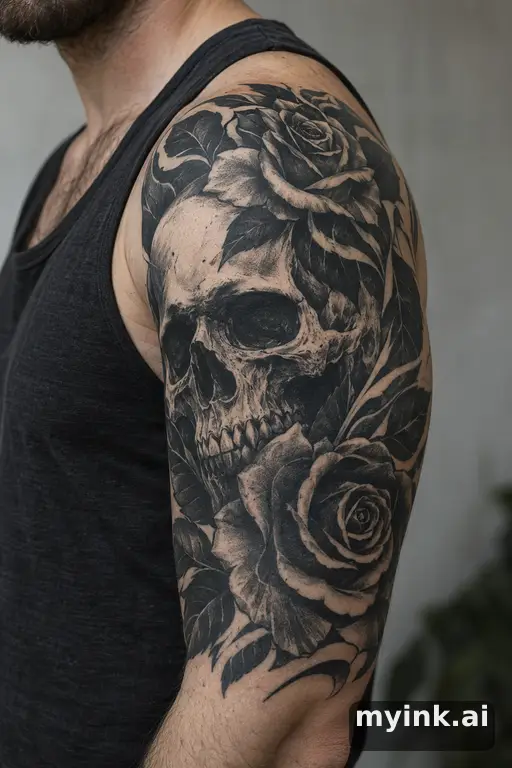
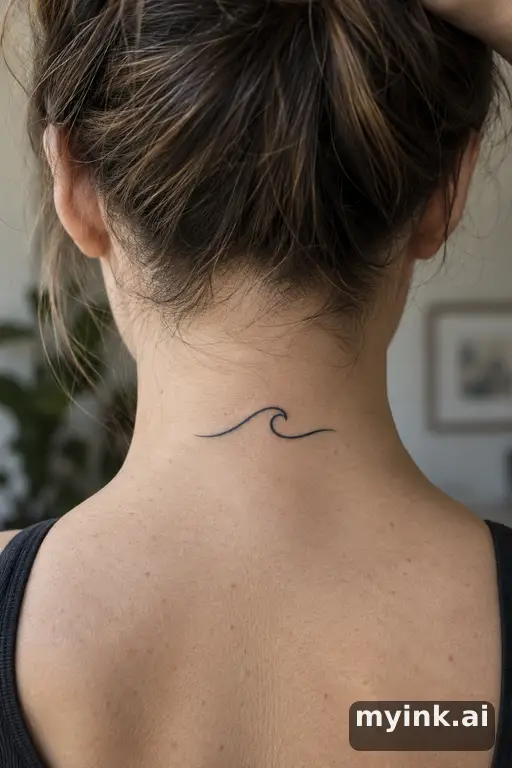
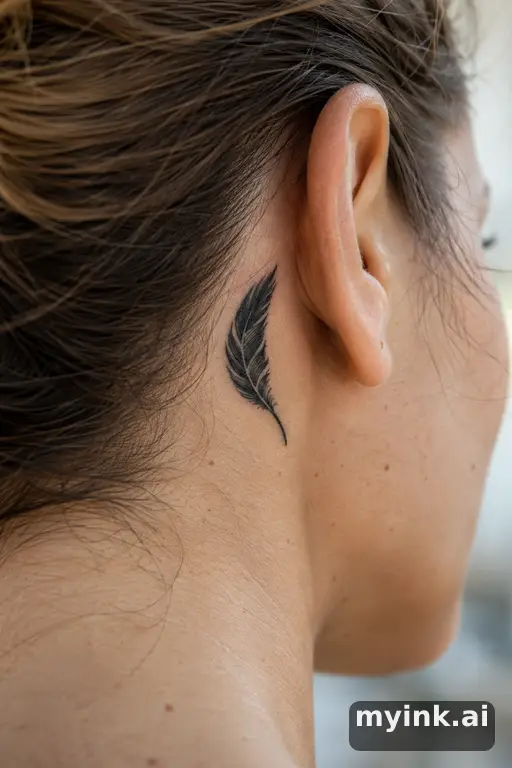
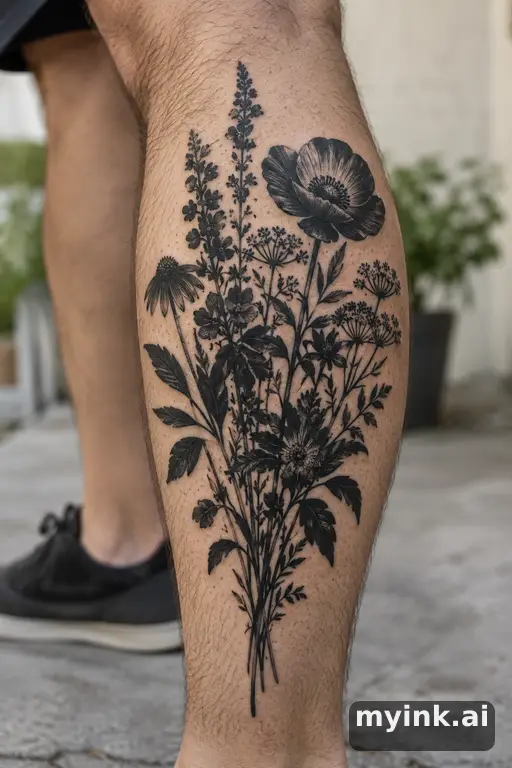
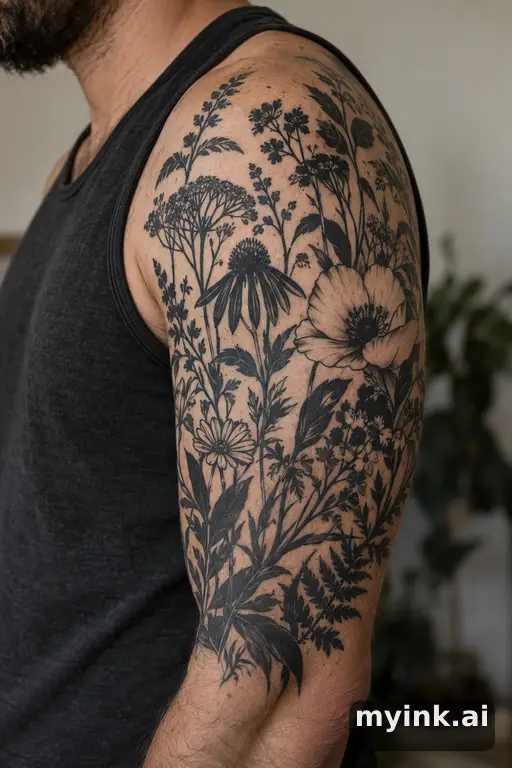
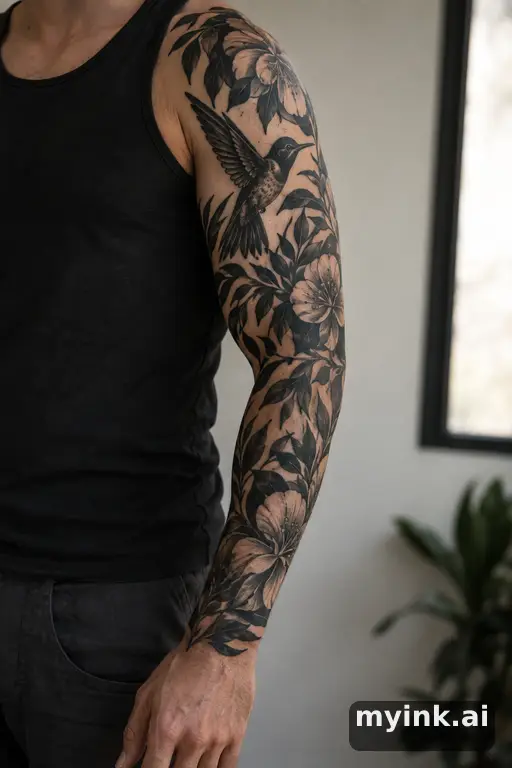
Opening is free · 4 directions use 4 credits · try-on 1 credit
View all inspiration →Blackwork tattoo designs use only black ink to create high-contrast, visually powerful body art that ranges from dense solid fills to intricate ornamental patterns. The style encompasses several sub-genres — solid black geometric shapes, delicate fine-line ornamental lacework, tribal-derived bold pattern work, and illustrative blackwork that renders subjects in pure line and shadow — but all share an aesthetic commitment to black ink as the sole medium. Blackwork's graphic power comes from extreme contrast: solid black areas against bare skin create visual drama that color work rarely achieves. The style has grown significantly over the past decade, attracting collectors who appreciate its bold visual statement, its excellent longevity compared to color tattoos, and its versatility across scales from tiny symbols to full body suits. Practitioners like Xoil, Noon, and Maxime Buchi helped elevate blackwork from underground curiosity to mainstream recognition. Use the MyInk AI generator to experiment with blackwork compositions before your studio appointment.
Blackwork half sleeve tattoos
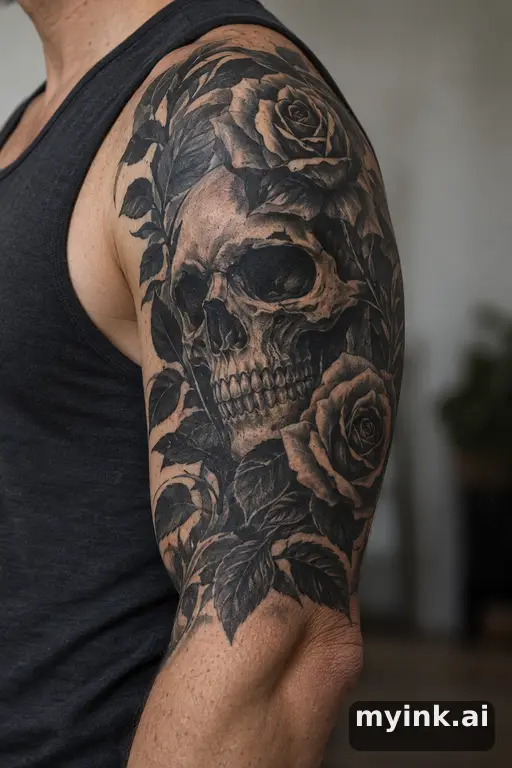
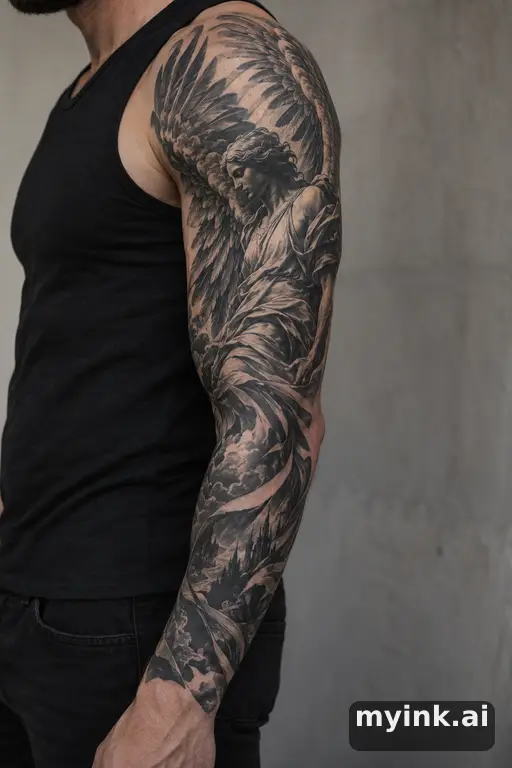
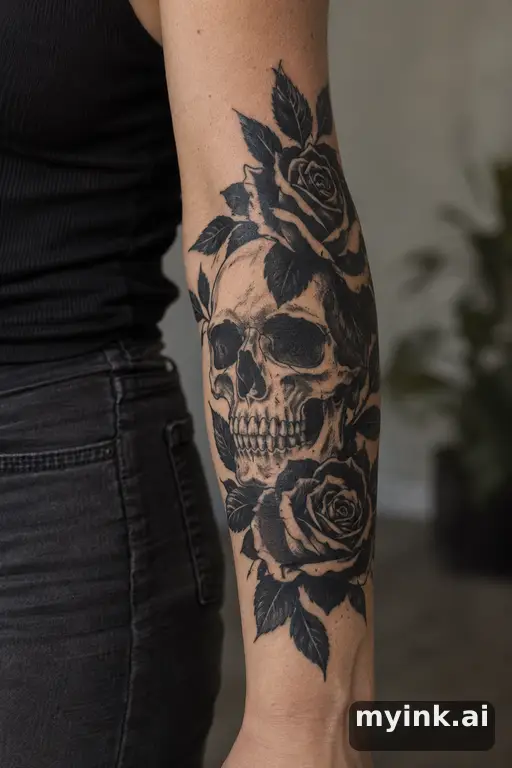
4 of the 24 designs in this gallery are placed as a half sleeve; subjects include flower and skull.
Browse Half Sleeve Tattoo Ideas for Men →Flower tattoos in blackwork style
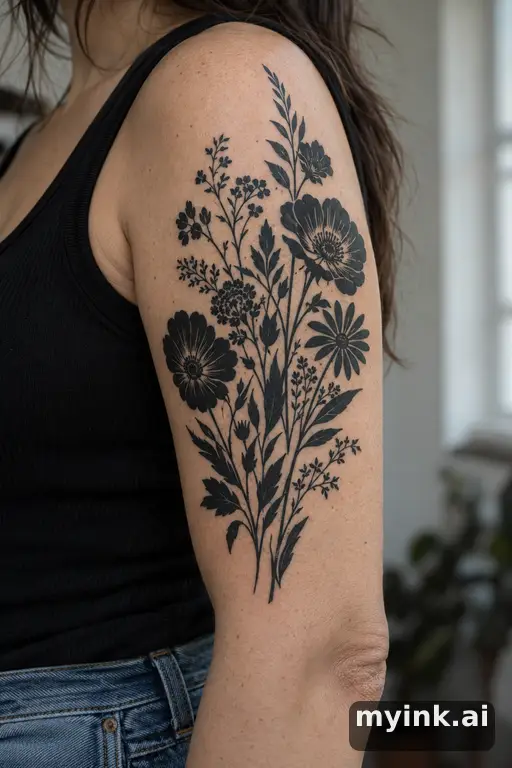
5 of the 24 designs in this gallery are flower designs, most often as a half sleeve and on the upper arm.
Browse Flower Tattoo Designs →Halloween 2026 · Sugar skull flash
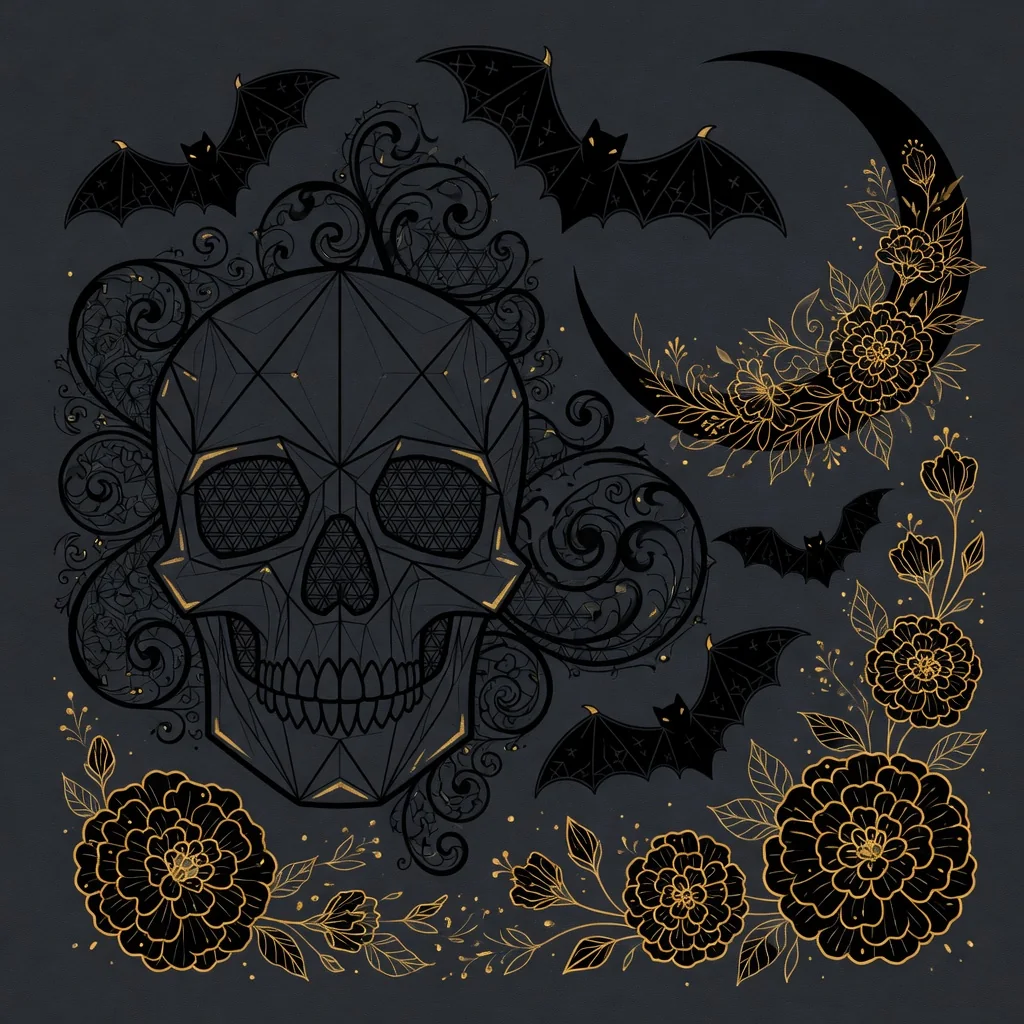
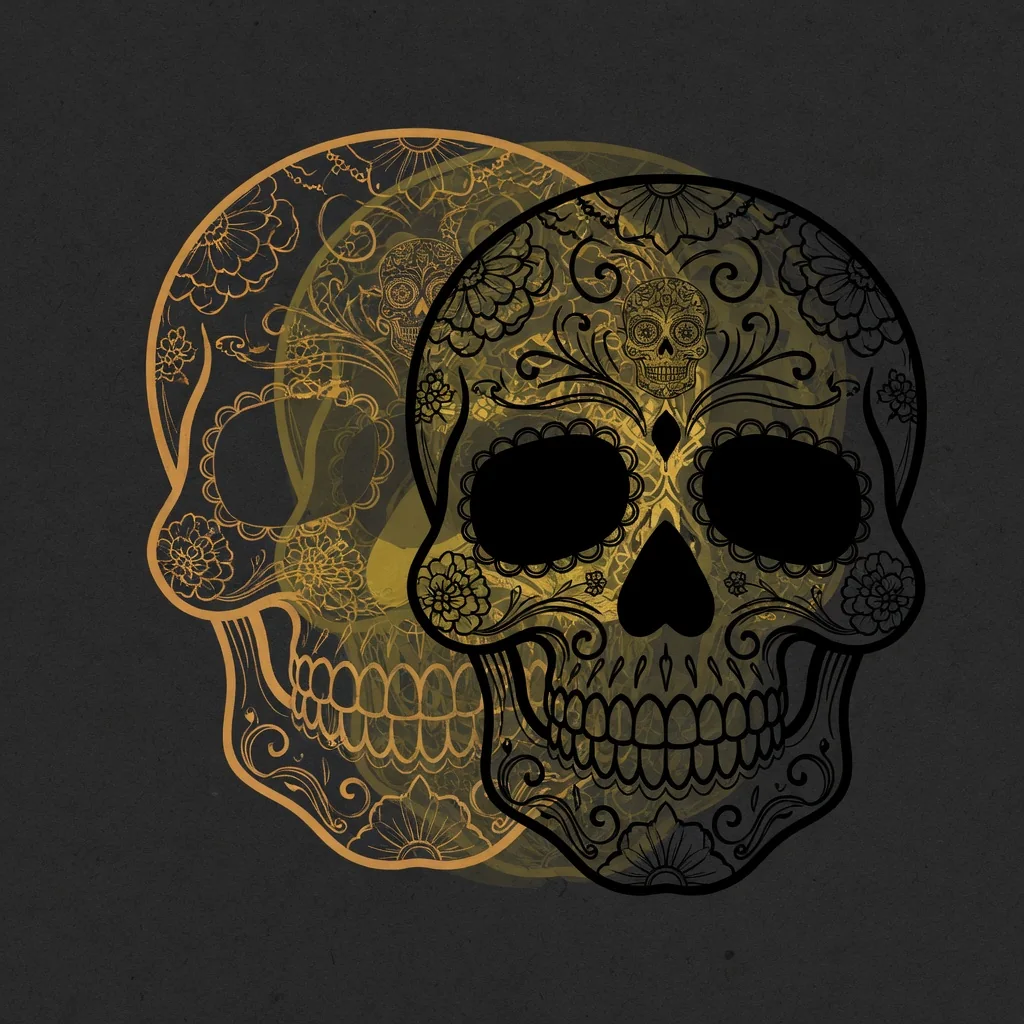
Halloween flash in one pigment
Blackwork is the durable October shop language: solid fills, ornamental filigree, geometric negative space, and a skull that reads at arm's length. Color can wait. This style page does not add a new URL; it points at the same sugar-skull brief so a visitor who arrived for blackwork still generates the cluster's one idea.
Shape this Halloween brief
Opens the public studio with one pre-loaded idea. The advisor is free; generation starts only after you approve the brief.
Interpretive sugar-skull Halloween flash for remembrance: marigold (cempasúchil) crown, ornamental blackwork line, Día de los Muertos celebration of life — not a portrait of a real person. Forearm flash, high contrast, no celebrity likeness.
Open the studioHistory and Origins of Blackwork Tattooing
Blackwork as a recognized contemporary style emerged in the late 20th century, though solid black tattooing has roots in traditions spanning thousands of years across multiple cultures.
Ancient and Cultural Roots in Black Ink Work
Tattooing with a single dark pigment — soot, ash, or plant-based black — is the oldest form of tattooing across virtually every culture that practiced it. From Otzi the Iceman's therapeutic marks to Borneo tribal patterns and African scarification-adjacent practices, solid black marking is humanity's original tattoo tradition. Contemporary blackwork connects consciously to this lineage.
The Underground Blackwork Scene of the 1990s
Contemporary blackwork emerged from underground tattoo culture in the 1990s, particularly on the West Coast of the United States and in Europe, where artists began experimenting with solid black fills and pattern-based work outside mainstream flash conventions. Collective spaces and self-published zines circulated this work before internet visibility was possible.
European Ornamental Blackwork Influence
European tattoo artists, particularly in France and Switzerland, developed highly refined ornamental blackwork influenced by Art Nouveau, lace patterns, woodcut illustration, and architectural ornamentation. Artists like Xoil (France) brought a fine-art sensibility to blackwork, creating compositions that reference printmaking and illustration traditions while remaining distinctly tattoos.
Contemporary Blackwork and the Blacking-Out Trend
One of the most dramatic contemporary blackwork expressions is full blacking-out of large body areas — entire arms, legs, or back sections filled with solid black ink, sometimes as cover-up for old tattoos and sometimes as pure aesthetic statement. This extreme form remains controversial but has attracted significant collector interest, reflecting how far blackwork has pushed its own boundaries.
Key Characteristics and Popular Blackwork Designs
Blackwork's visual range is broader than many people expect, encompassing everything from delicate filigree to brutal solid fills.
Ornamental and Filigree Patterns
Ornamental blackwork features intricate lacework patterns, filigree, mandalas, and architectural ornamentation rendered entirely in black ink. These designs create stunning visual complexity from a single pigment by varying line weight, spacing, and fill density. Ornamental pieces work beautifully on the chest, back, and sleeves where large canvas space allows full pattern development.
Illustrative Blackwork and Woodcut Aesthetics
Illustrative blackwork translates photographic or painted subjects into bold black-and-white compositions that reference woodcut printmaking, scratchboard illustration, or graphic novel art. Animals, portraits, and botanical subjects rendered in this way have a striking graphic quality — they read clearly at a distance and carry the timeless feel of printed illustration.
Solid Fill Geometric Shapes and Negative Space
Geometric blackwork alternates dense solid black fills with clean bare skin to create optical effects — three-dimensional cubes, interlocking shapes, and negative space compositions that use the skin itself as a design element. This sub-genre requires exceptional precision because any asymmetry or uneven fill is immediately visible against the stark contrast.
Script and Text in Blackwork Style
Heavy blackletter, Gothic script, and bold sans-serif lettering in blackwork style carry visual weight that coordinates naturally with other blackwork elements. Text that would look incongruous next to watercolor or traditional imagery integrates seamlessly into blackwork compositions. Blackwork lettering ages particularly well due to the bold ink deposits.
Best Placements and Sizing for Blackwork Tattoos
Blackwork tattooing suits a wide range of placements, and the style's bold contrast actually makes some challenging placements more viable than with delicate styles.
Chest and Full Front Body Compositions
The chest is one of blackwork's most powerful canvases — a symmetrical ornamental chest piece radiating from the sternum, or a bold illustrative composition spanning both pectorals, creates immediate visual impact. Full front body blackwork compositions connecting chest, stomach, and hip areas represent some of the most ambitious work in the genre.
Full Sleeves in Pure Black
Blackwork sleeves using ornamental patterns, illustrative imagery, or solid fill sections create a dramatically cohesive look that photographs compellingly in monochrome. Without the color management challenges of color sleeves, blackwork sleeves are somewhat more forgiving compositionally — the single-pigment palette automatically unifies disparate elements.
Back Pieces and Panel Work
The back provides the largest canvas for ambitious blackwork compositions. Full back ornamental pieces — mandalas surrounded by filigree, large illustrative scenes rendered in woodcut style, or abstract geometric fill patterns — can take dozens of hours but produce extraordinary results. The back's flat surface particularly suits the precise geometry of ornamental blackwork.
Forearm and Hand for High-Visibility Blackwork
Bold blackwork on the forearm and hand creates high-visibility statements that read clearly across a room. The forearm's flat surface suits ornamental band designs and illustrative panels. Hand blackwork — particularly finger designs and back-of-hand patterns — requires touch-up more frequently but makes a strong visual statement that other styles cannot match in the same area.
Explore Other Styles
Related Tattoo Ideas
Trusted Resources
Tattoo Safety — American Academy of Dermatology
AAD guidance on safe tattooing, particularly relevant for large-scale blackwork where ink volume is significantly higher than in small designs.
Tattoo Removal — Healthline
Evidence-based overview of laser tattoo removal options, effectiveness by ink color, and what to expect from the removal process.
Alliance of Professional Tattooists
Professional standards organization covering studio safety, bloodborne pathogen prevention, and ethical practice in professional tattooing.
Frequently Asked Questions
Does blackwork tattooing hurt more than regular tattooing?
Can blackwork tattoos be converted back to remove or lighten areas?
How well do blackwork tattoos age compared to color work?
Is ornamental blackwork suitable for covering old tattoos?
What skin tones work best with blackwork tattooing?
Are the Halloween cluster images photographs of people?
Ready to Design Your Blackwork Tattoo?
Preview on skin
Try this on your skin
Upload a photo and see the design placed on your own body before anything is permanent.
Try it on · 1 credit →
Free advisor
Create your own design
Describe one idea and the advisor shapes it into 4 genuinely different directions.
Open the studio — free to start →
The advisor is free. A round of 4 directions costs 4 credits — See plans — 8 free credits to start