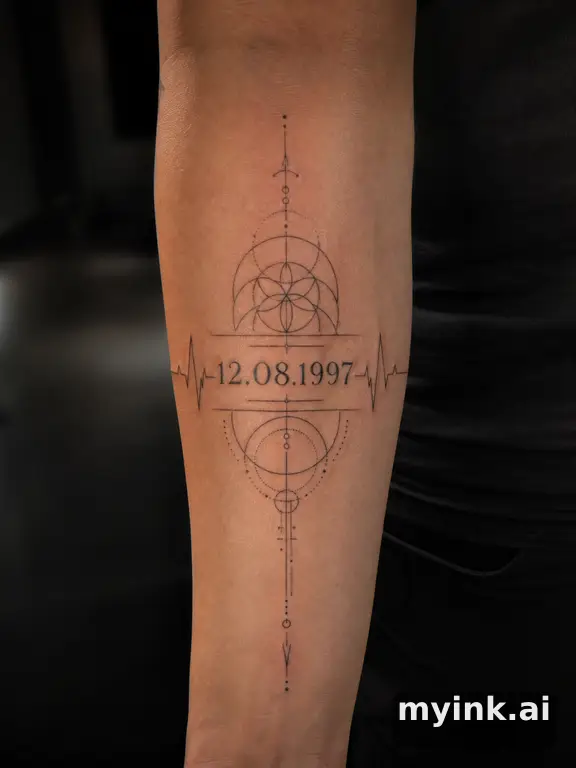
Geometric Animal Tattoo Designs — Wildlife Meets Sacred Geometry
Geometric animal tattoo designs combine the warmth of an animal portrait with the visual order of sacred geometry. The animal — wolf, lion, deer, owl, fox, bear — is rendered in low-poly polygons, framed by mandala rings, or partially dissolved into geometric fragments. The result is a design that reads instantly as the animal but carries the layered visual interest of pure geometric work. This category exploded between 2014 and 2020 as the neo-geometric tattoo movement matured, and remains one of the most-requested tattoo concepts today. Below you will find the most-tattooed animals in geometric form, the three main composition styles, placement guidance, and a free AI generator pre-loaded with geometric animal prompts.
The Most-Tattooed Geometric Animals
Some animals translate to geometric form better than others. The shortlist below is based on what artists most commonly portfolio.
Wolf
The geometric wolf is by a wide margin the most-requested geometric animal tattoo. The wolf's strong silhouette — pointed ears, angular muzzle — translates naturally to polygonal forms. Most geometric wolf tattoos use a low-poly head with a mandala or sacred-geometry frame behind. Carries meanings of independence, family loyalty, and primal instinct.
Lion
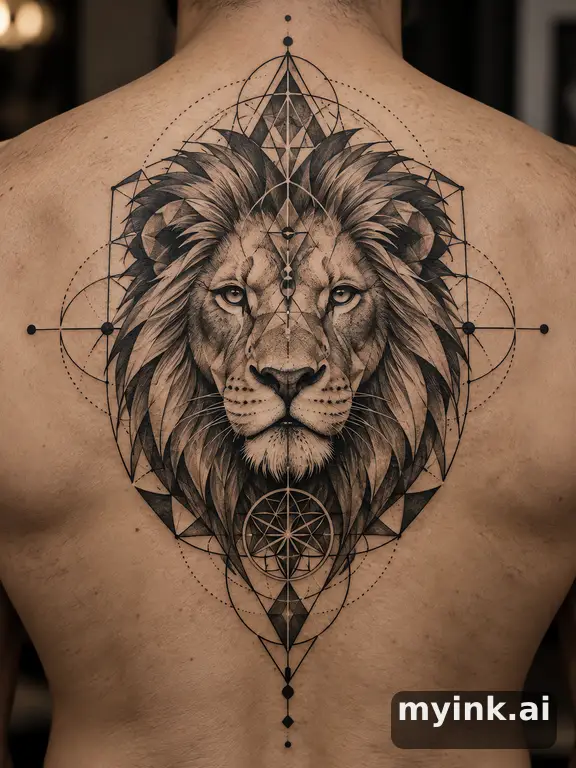
A geometric lion combines a low-poly mane (the polygons radiate outward like sacred-geometry rays) with a more detailed face. The strongest geometric lion designs let the mane fully dissolve into pattern while keeping the eyes realistic. Meanings: strength, leadership, courage.
Deer / Stag
The branching antlers of a stag align beautifully with geometric line work — the antler structure can extend into sacred-geometry patterns, creating a 'crown of constellations' effect. Common choice for nature-themed memorial tattoos. Meanings: gentleness, regeneration, the spiritual world.
Owl
Owls suit geometric treatment because the round face naturally frames as a mandala center. Geometric owl tattoos often place the bird's face at the center of a Flower of Life or polygon framework. Meanings: wisdom, vision, the unseen.
Fox
Fox geometric tattoos lean playful — the angular head and bushy tail give plenty of geometry surface area without being intimidating. Often paired with woodland flora elements rather than pure sacred geometry. Meanings: cunning, adaptability, transformation.
Bear
Geometric bear tattoos work especially well at large sizes (chest, back) because the bear's bulk gives more canvas for layered polygon detail. Often combined with mountain or forest backdrops drawn in line work.
The Three Composition Styles
Geometric animal tattoos fall into three visual treatments. The right choice depends on how 'realistic' you want the animal to read.
Low-Poly Animal (3D Wireframe Look)
The animal is rendered as if it were a low-poly 3D model — flat polygon faces meeting at sharp edges, with subtle shading inside each polygon to give the form depth. This style produces the most striking dimensional effect on flat skin. Best at medium-to-large sizes (3+ inches).
Animal with Mandala / Sacred Geometry Backdrop
The animal's head or body is rendered in a more conventional realistic or fine-line style, but a mandala or sacred-geometry pattern sits behind or around it. The geometry frames the animal rather than constructing it. This style is the most visually accessible — easier to read, ages well.
Dissolution / Geometric Fragments
The animal is realistic in some areas (usually the face) but dissolves into geometric polygons in others (mane, body, ground). This composition tells a visual story about the animal's connection to abstract patterns. Visually striking but harder to age — fragmented edges blur over time.
Best Placements
Geometric animal designs need a flat canvas to support clean polygon edges. Curved or convex placements distort the geometry over the years.
- Outer Forearm: The most popular placement for geometric animal pieces. Flat surface, comfortable size range (3-6 inches), low pain. Most artists' portfolio shots are forearm pieces for a reason.
- Outer Bicep / Shoulder Cap: Round canvas suits mandala-framed animals especially well. The geometric backdrop wraps naturally around the shoulder.
- Upper Chest / Pectoral: Large geometric animal pieces (5-8 inches) read powerfully on the upper chest. Best for low-poly bear, lion, or wolf compositions.
- Thigh (Outer): Large canvas for full-body geometric animals — running deer, prowling fox, full lion silhouette. Excellent for ambitious multi-session pieces.
- Calf: Vertical geometric animal pieces (full bear standing, full wolf in profile) read clearly on the calf. The flat outer surface supports clean polygon edges.
What to Avoid
Three composition mistakes that come up repeatedly in cover-up consultations.
- Too Many Polygon Sizes: Mixing very small polygons (under 5mm) with very large ones (over 30mm) in the same piece breaks the visual rhythm. Pick a polygon scale and stay within roughly a 3:1 size range.
- Color Inside Polygons That Doesn't Add Meaning: Random color fills inside geometric polygons rarely look intentional after healing. If using color, choose a single accent color (often the animal's eye color) and apply it sparingly.
- Animal Facial Detail at Tiny Sizes: Detailed eyes and fur texture under 1.5 inches blur into a smudge within 5 years. If you want a small geometric animal tattoo, choose a silhouette-style composition rather than detailed face work.
Geometric Animals in the AI Generator
MyInk's generator handles geometric animal prompts well. Three tips for the best results:
Specify the Composition Style
Include the composition keyword in your prompt: 'low-poly geometric wolf', 'realistic owl with mandala backdrop', 'deer head dissolving into geometric fragments'. The composition keyword changes the entire visual approach.
Mention the Animal's Pose
Geometric animal pieces are stronger when the pose is clear: 'wolf head facing forward', 'lion in profile', 'owl with wings spread'. Vague pose prompts produce muddy compositions.
Add Backdrop Details
Specifying the geometric framework — 'with hexagonal mandala backdrop', 'inside Flower of Life pattern', 'with sacred-geometry rays' — produces more layered designs than generic 'geometric' alone.
Generate Your Custom Geometric Tattoo with AI
Open the studio with this idea pre-loaded, choose a style, and generate your design in seconds.
Open the studioGeometric Tattoo Inspiration Gallery
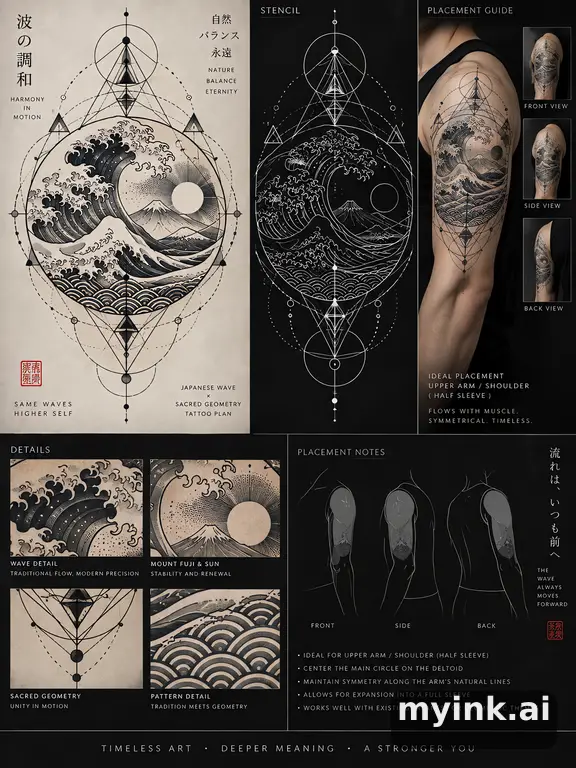
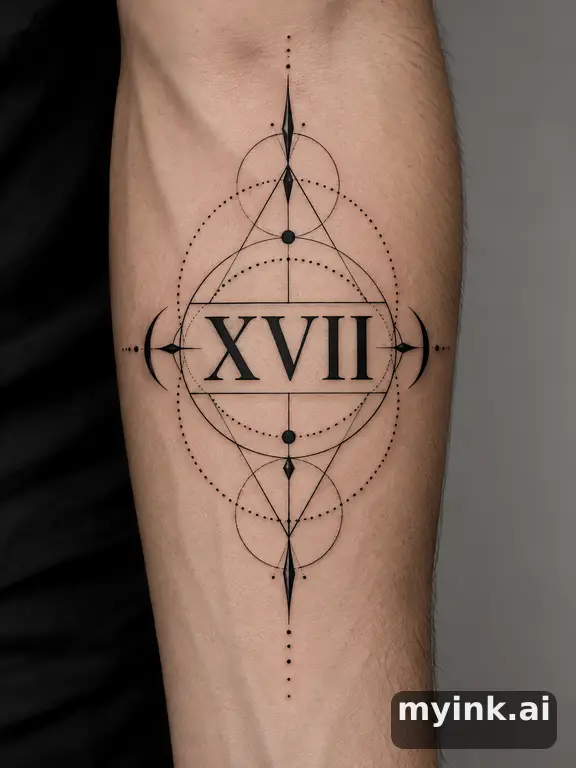
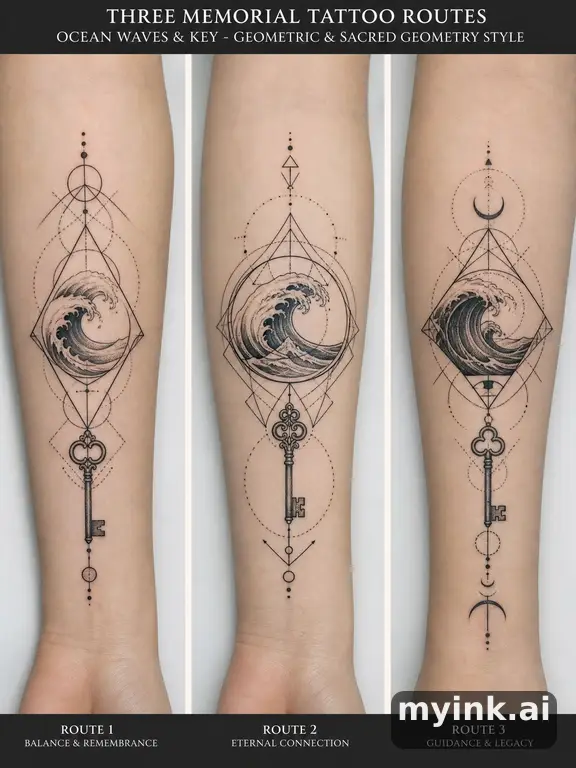
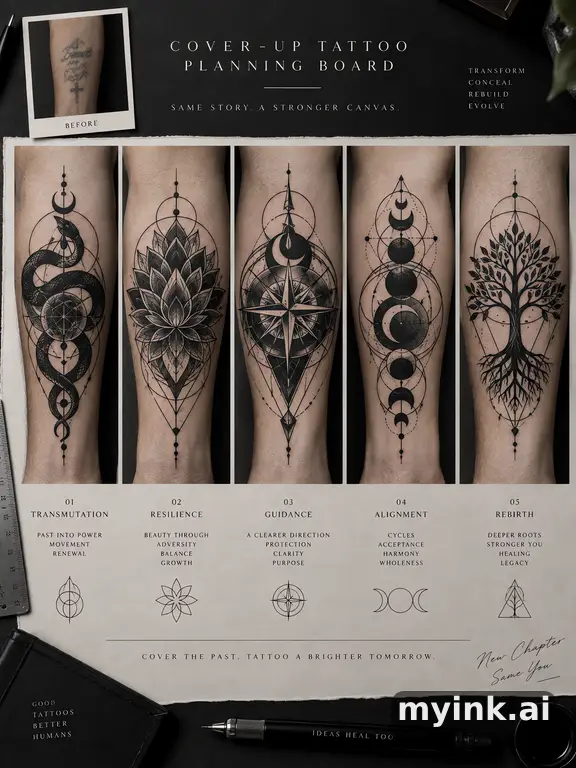
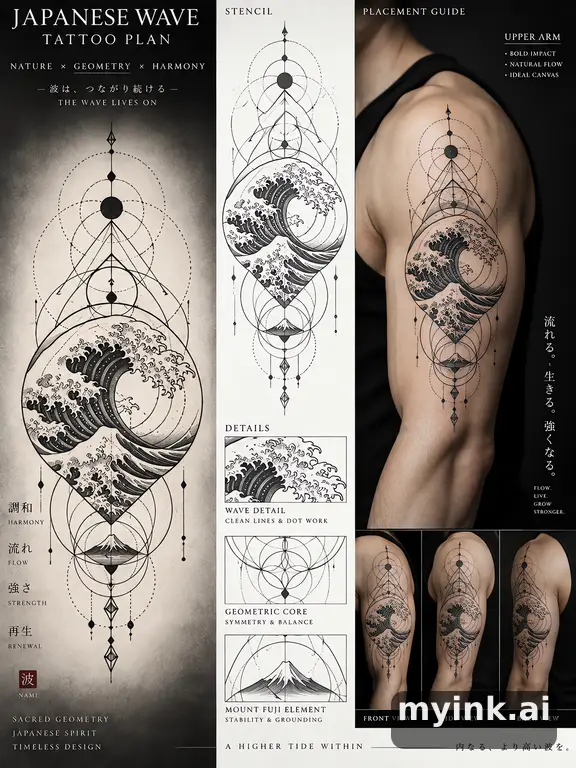
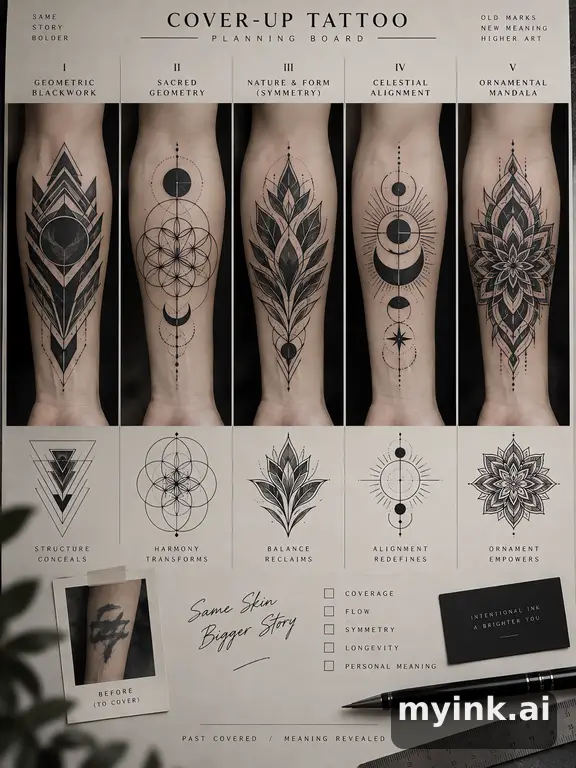
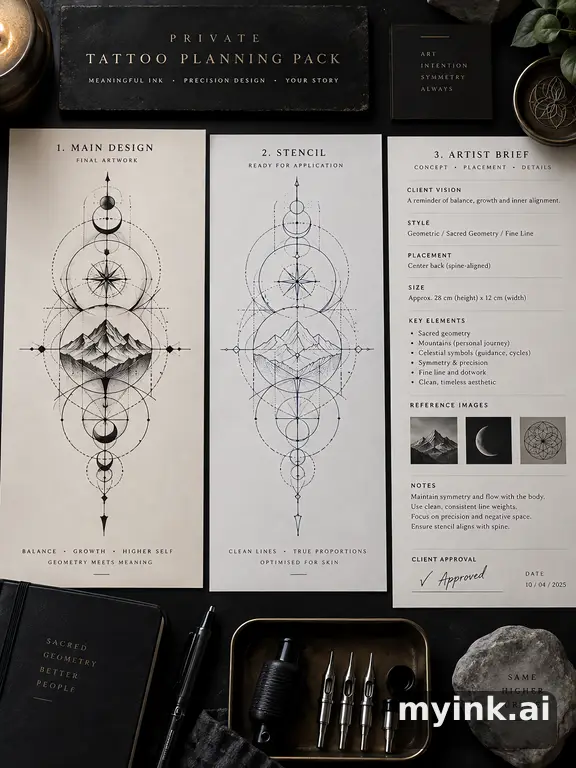
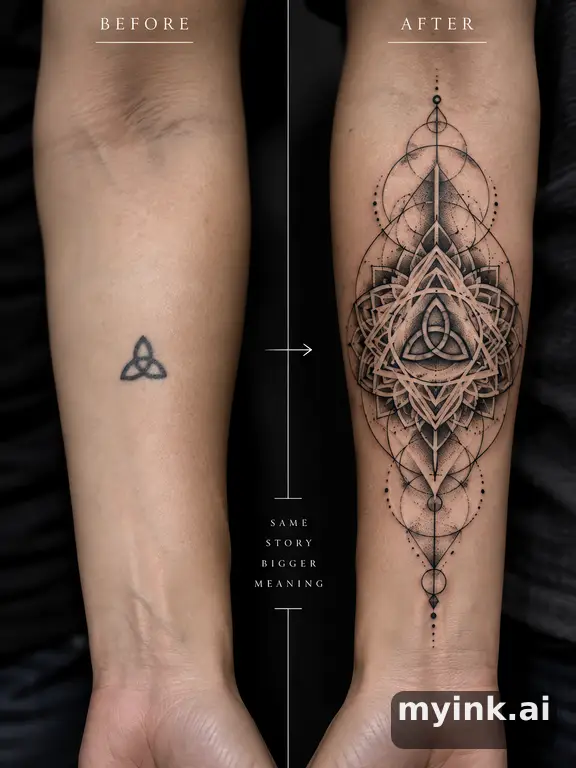
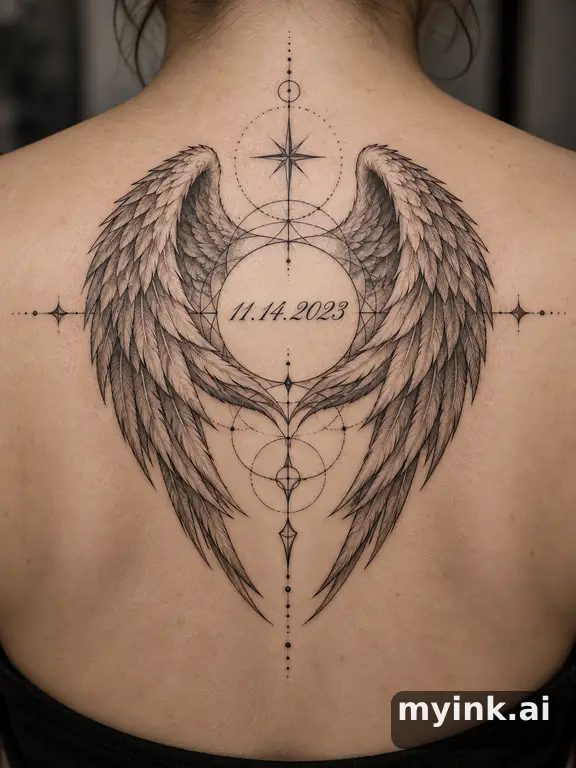
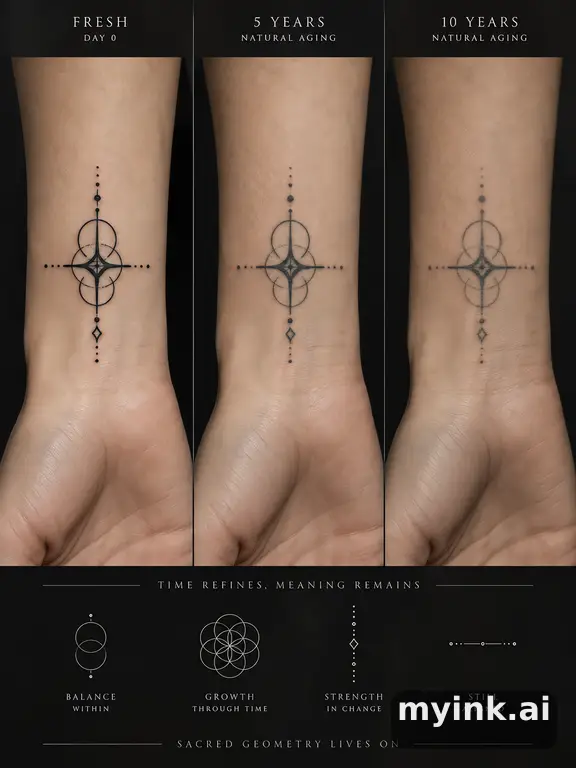
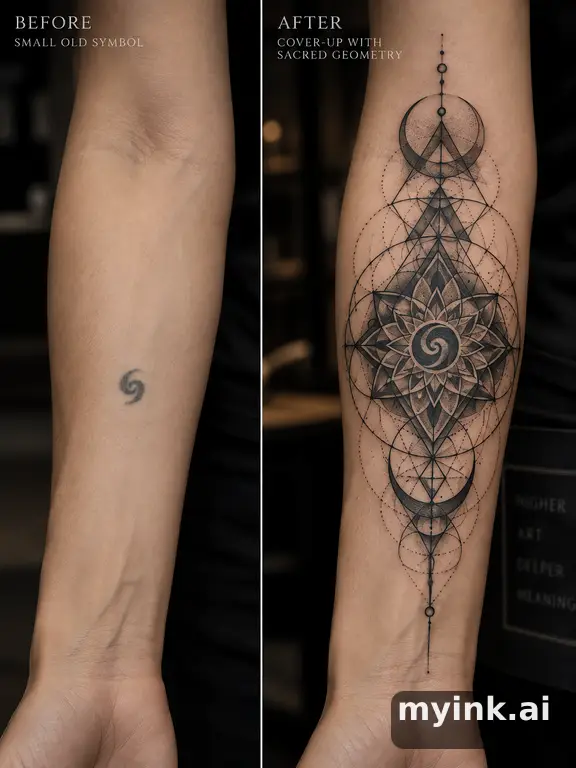
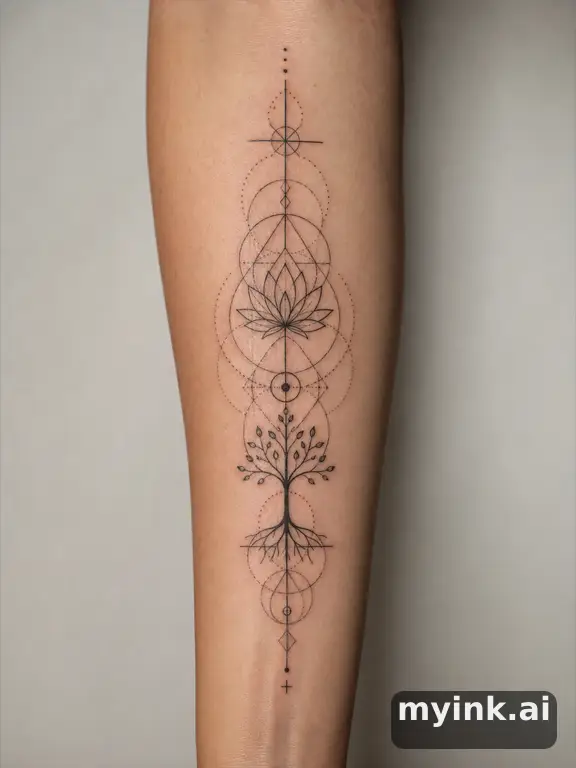
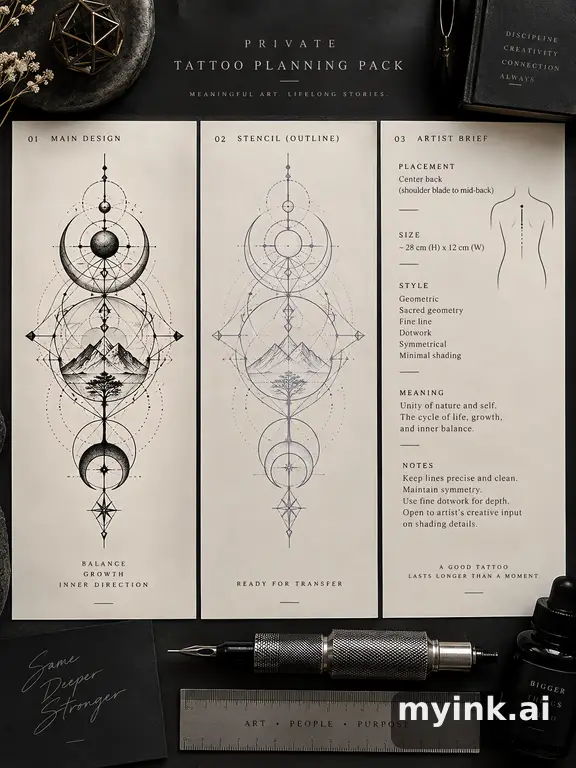
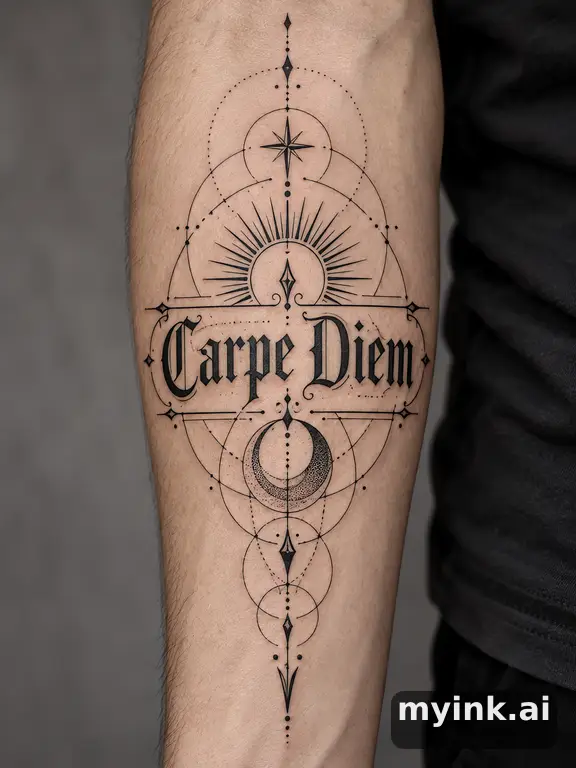
AI-generated geometric animal tattoo designs across multiple styles. Click any design for details.
















Styles That Work for This Design
Geometric Tattoo FAQ
Which animal works best as a geometric tattoo?
Wolves and lions are the most-requested because their strong silhouettes translate to polygonal forms cleanly. Owls and deer are next most popular due to round faces and branching antlers, respectively, which align naturally with geometric framing.
Are geometric animal tattoos a passing trend?
The neo-geometric movement that produced this style has now run for more than a decade and shows no sign of fading. The combination of recognizable subject matter with geometric structure makes the style culturally durable in a way that more abstract geometric work isn't.
How much does a geometric animal tattoo cost?
Mid-range geometric specialists charge $200-$350 per hour. A 4-inch forearm geometric wolf typically runs $800-$1500. Larger compositions on chest or back range $2000-$5000 across multiple sessions.
Should I add color to a geometric animal tattoo?
Most geometric animal designs work best in black or black-and-gray. If using color, restrict it to a single accent (usually the eyes) — full color fills inside polygons rarely look intentional after healing.
How do geometric animal tattoos age?
Black-and-gray geometric animals with consistent line weight age very well — often 15-20 years before needing touch-ups. Watercolor or color-fill versions need touch-ups every 5-8 years as soft edges spread.
Related Tattoo Designs
Mandala Tattoo Designs
Mandala tattoo designs from minimalist line work to richly shaded dotwork. Find ...
Sacred Geometry Tattoo Designs
Sacred geometry tattoo designs: Metatron's Cube, Flower of Life, Platonic solids...
Wolf Tattoo Designs
Browse wolf tattoo designs from realistic wolf portraits to geometric wolf tatto...
Lion Tattoo Designs
Discover lion tattoo designs from realistic lion head tattoos to geometric style...
Create Your Perfect Geometric Tattoo
Preview on skin
Try this on your skin
Upload a photo and see the design placed on your own body before anything is permanent.
Try it on · 1 credit →
Free advisor
Create your own design
Describe one idea and the advisor shapes it into 4 genuinely different directions.
Open the studio — free to start →
The advisor is free. A round of 4 directions costs 4 credits — Plans from $4.99 — 8 free credits to start